Recent published stories from all Egab journalists
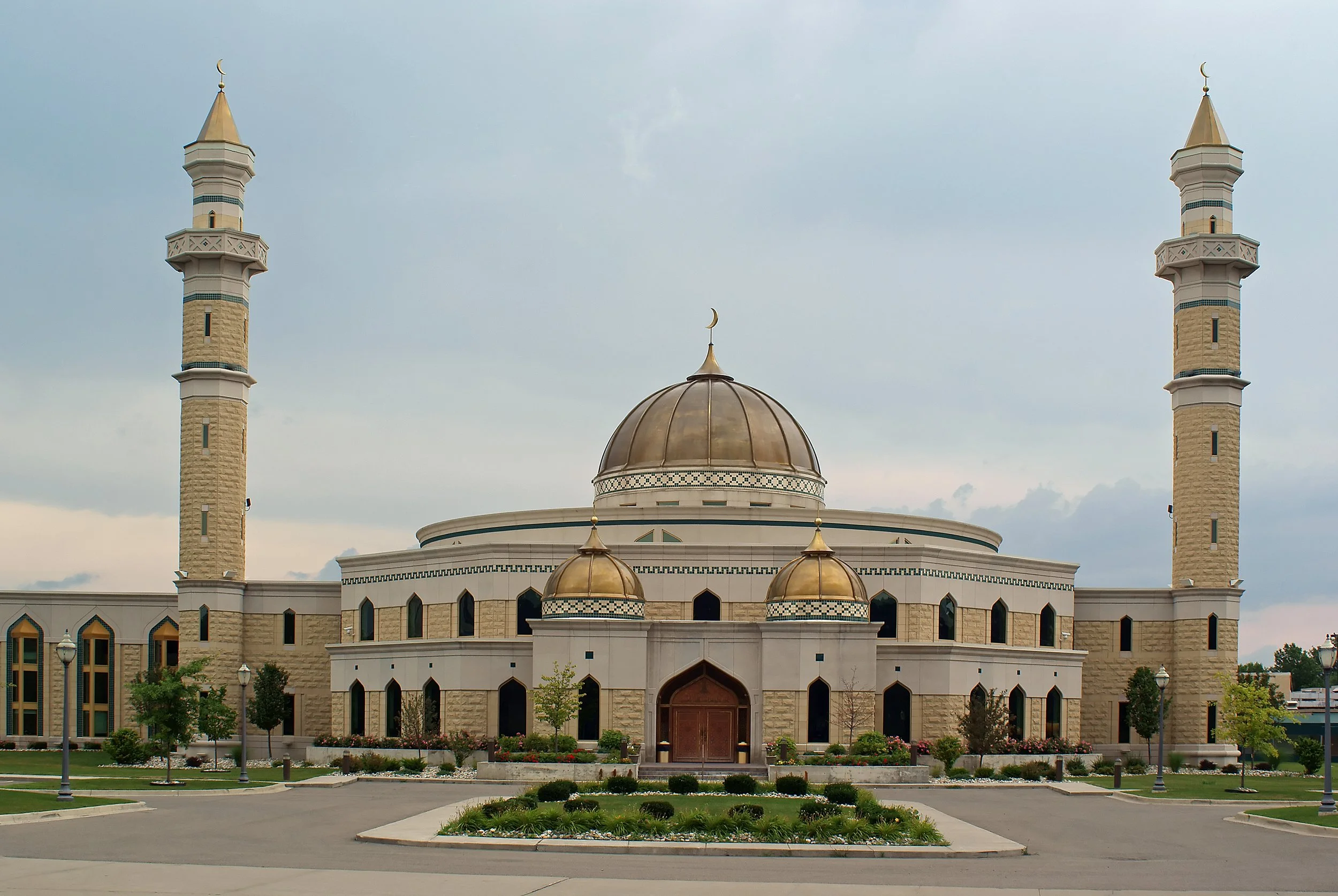
American mosques are strengthening security and community networks as anti-Muslim hostility rises, with responses ranging from police partnerships in Michigan to legal battles in Texas.
Iran's cost of living crisis is affecting the dreams and everyday life choices of young Iranians.
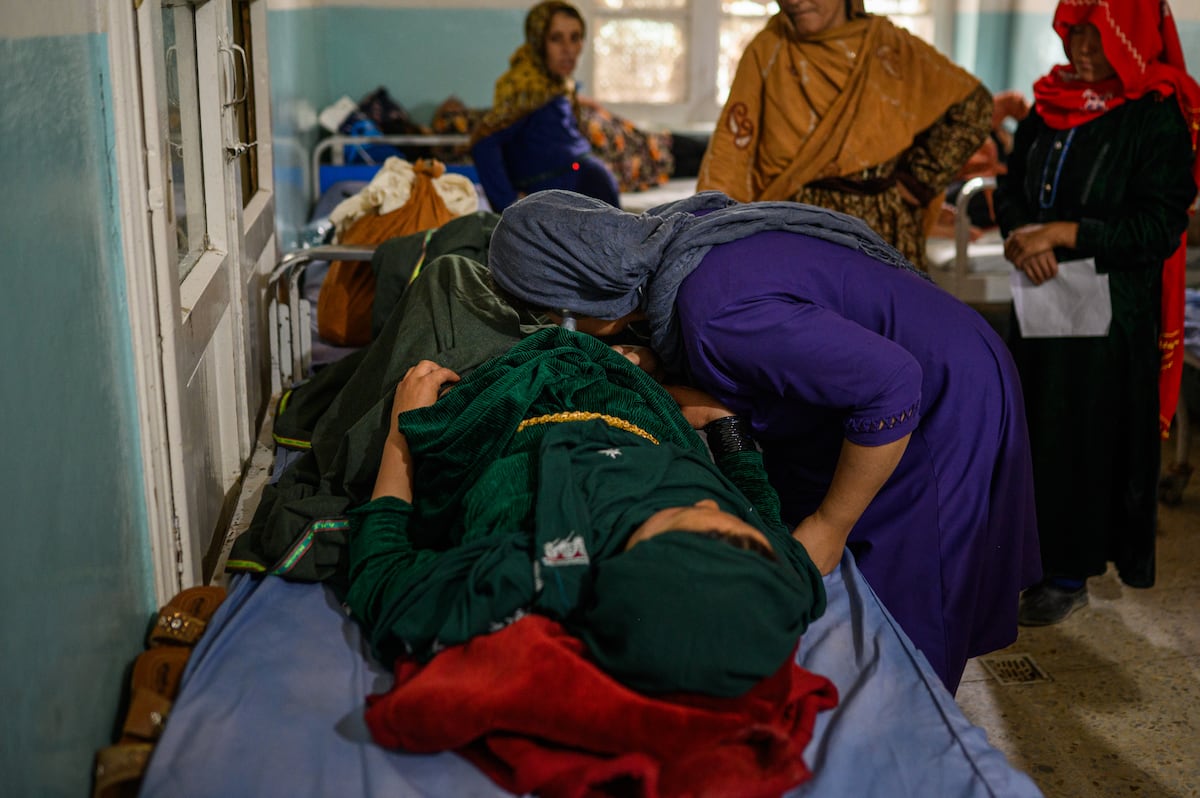
En un país donde 521 mujeres mueren por cada 100.000 nacimientos, redes de parteras rurales atienden a las madres que no tienen acceso a servicios médicos.
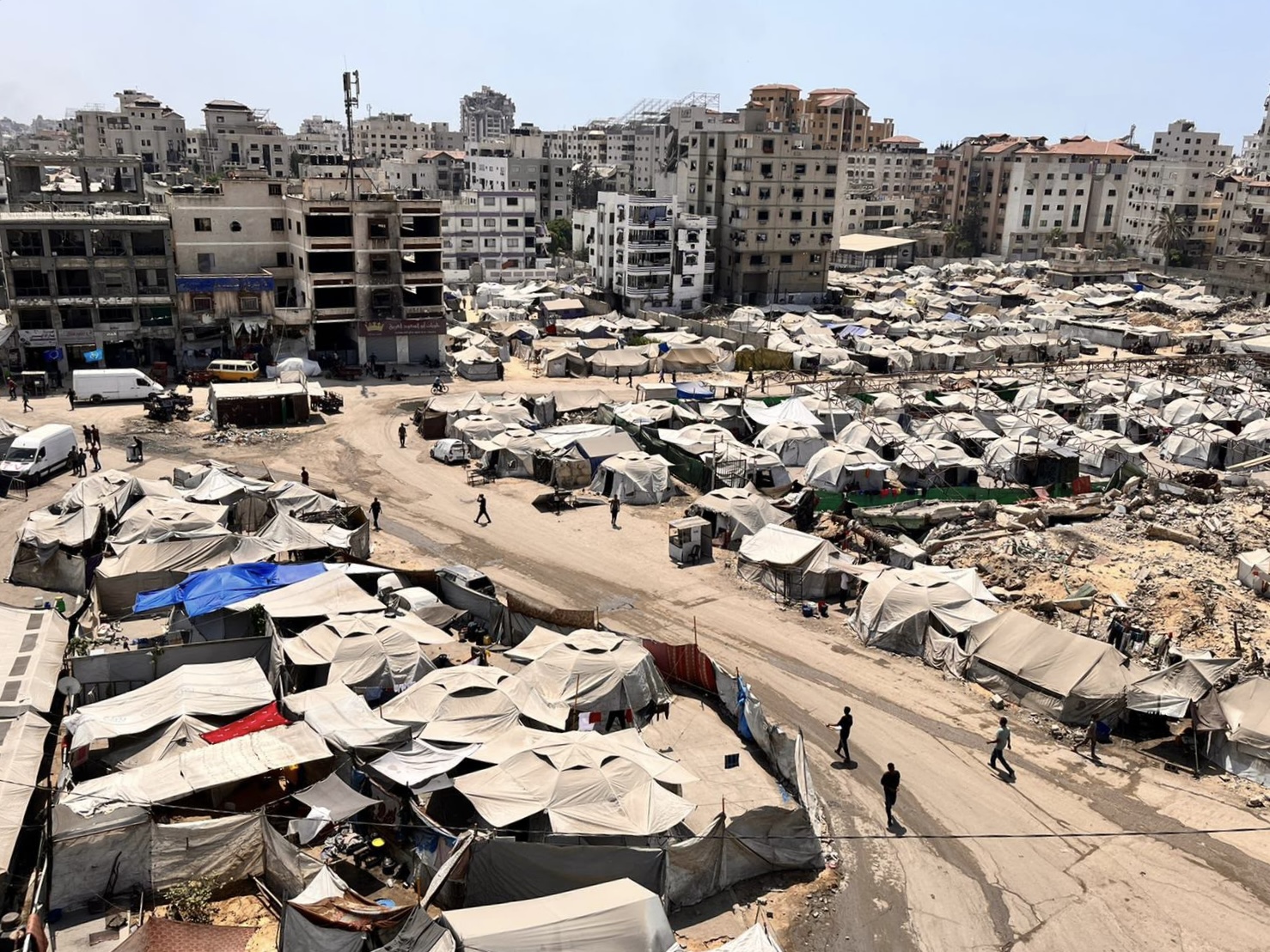
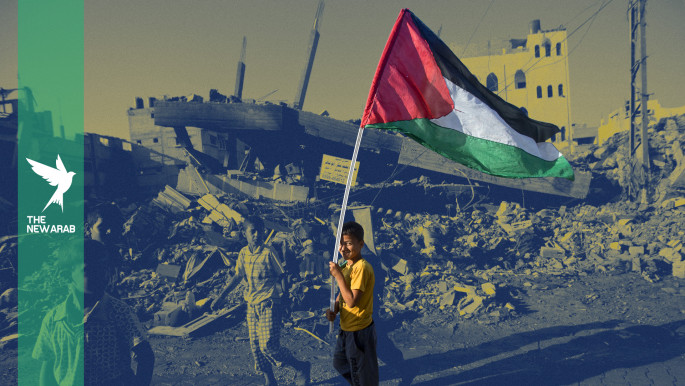
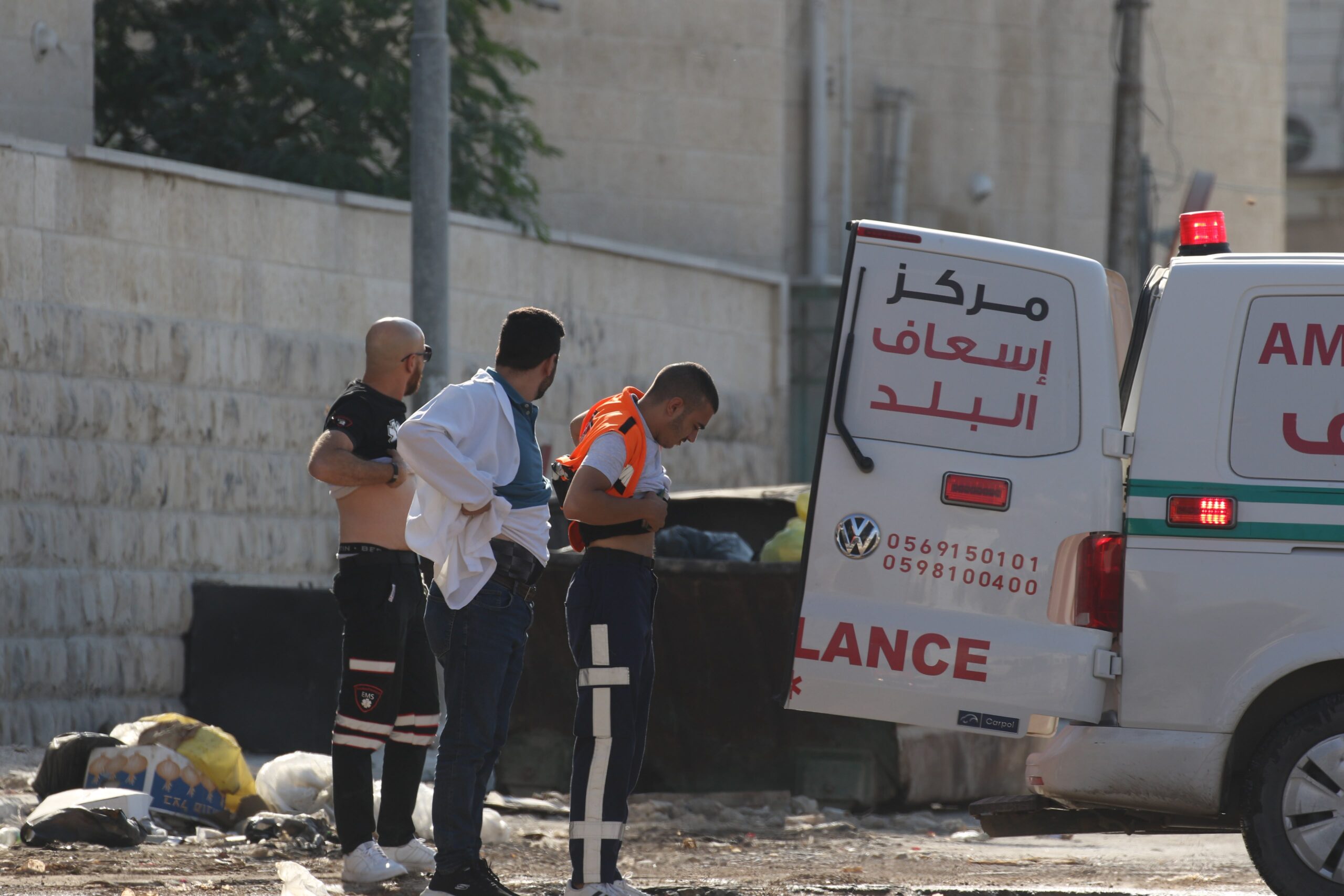
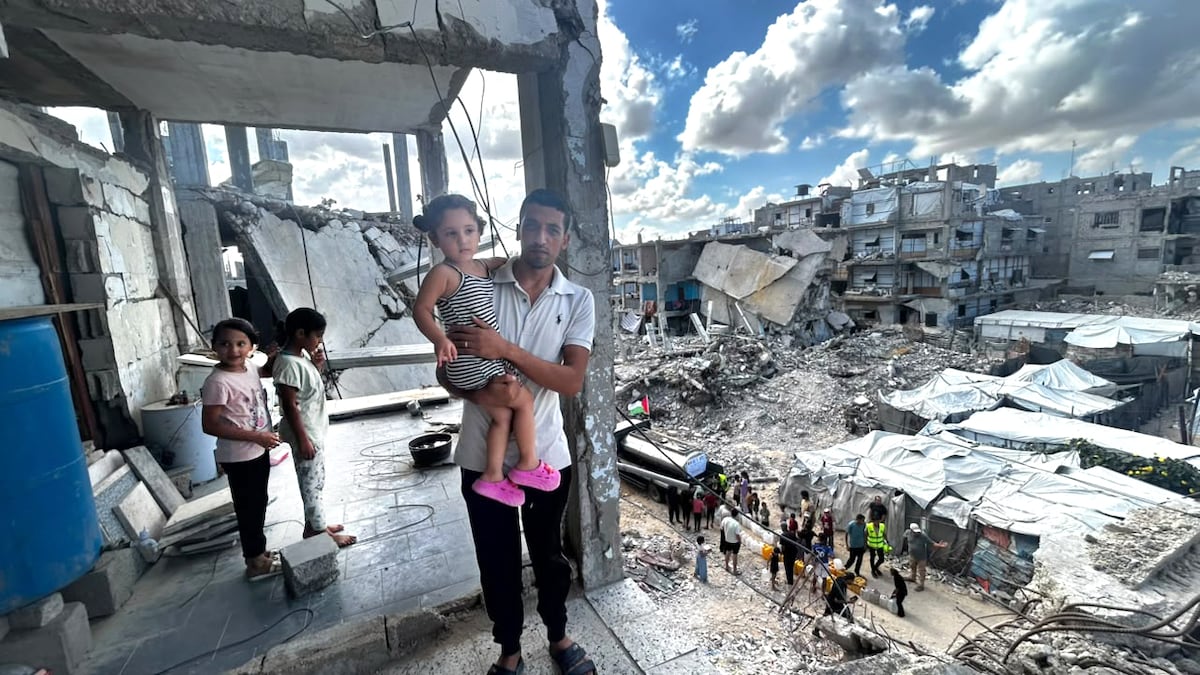
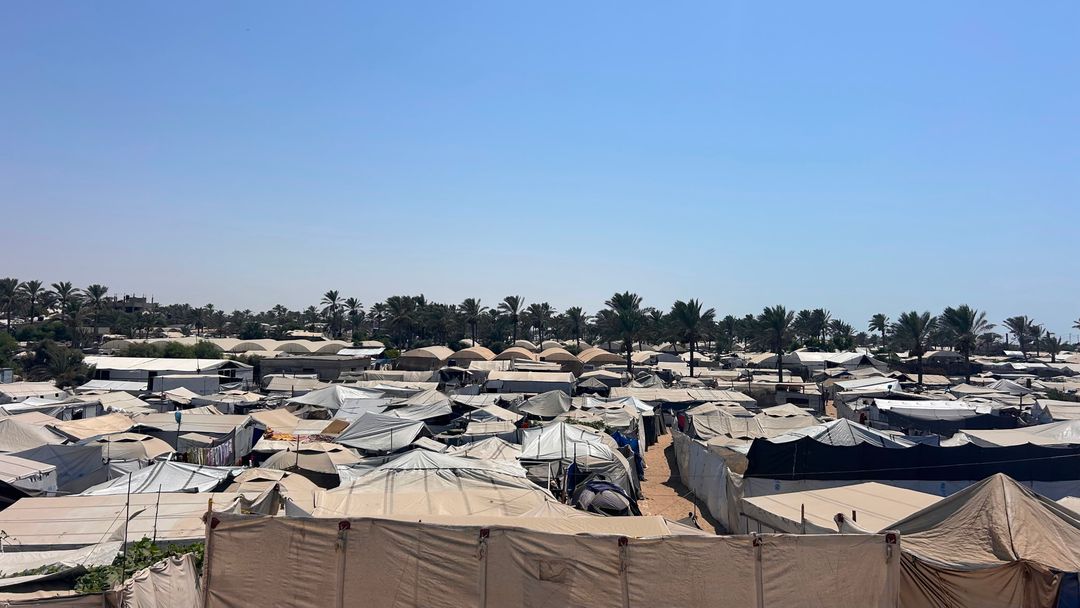
With more than 40,000 Palestinians sheltering in collapse-prone buildings and a “nightmare” winter approaching, Gaza’s Civil Defense warns of a preventable catastrophe unfolding in plain sight.
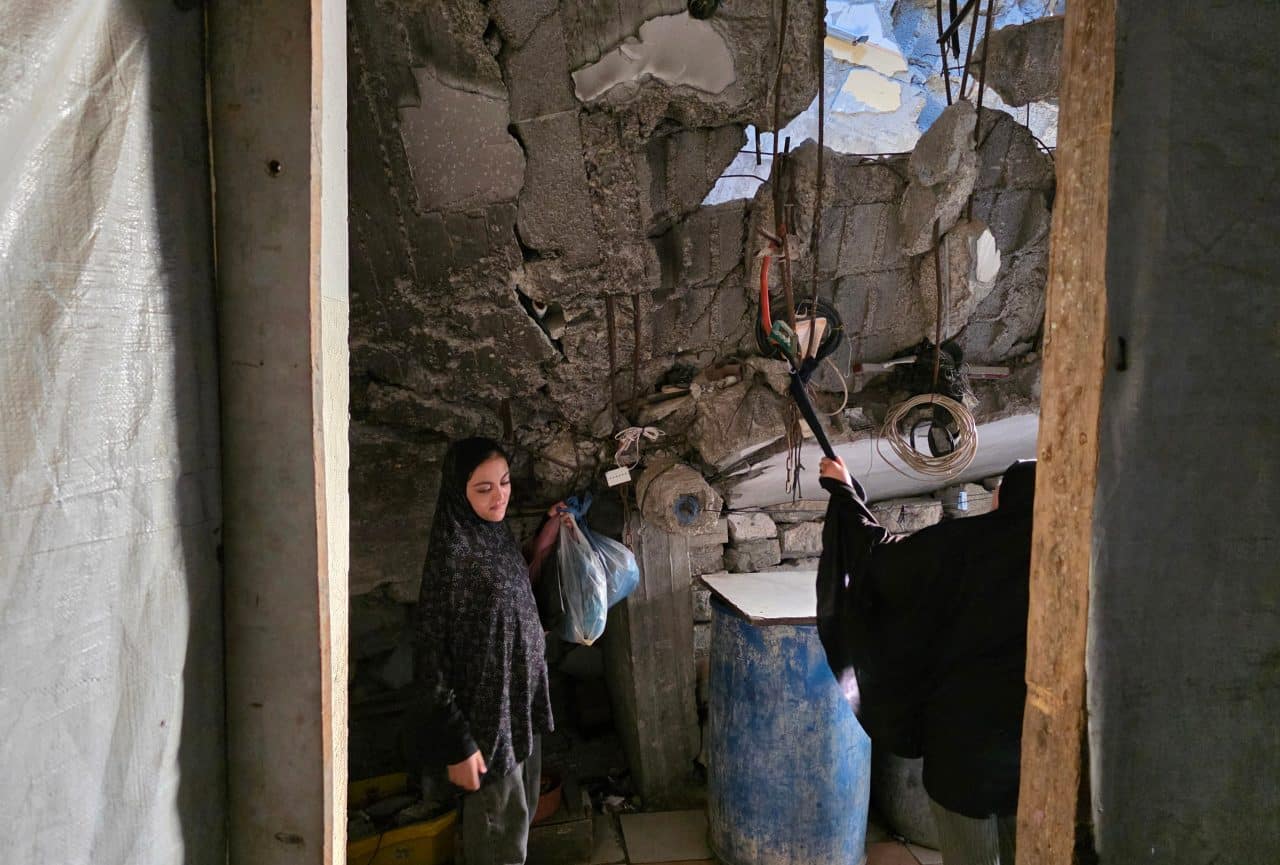
Experts say the only way to break the current cycle of tit-for-tat attacks is a phased, compartmentalized approach to diplomacy.
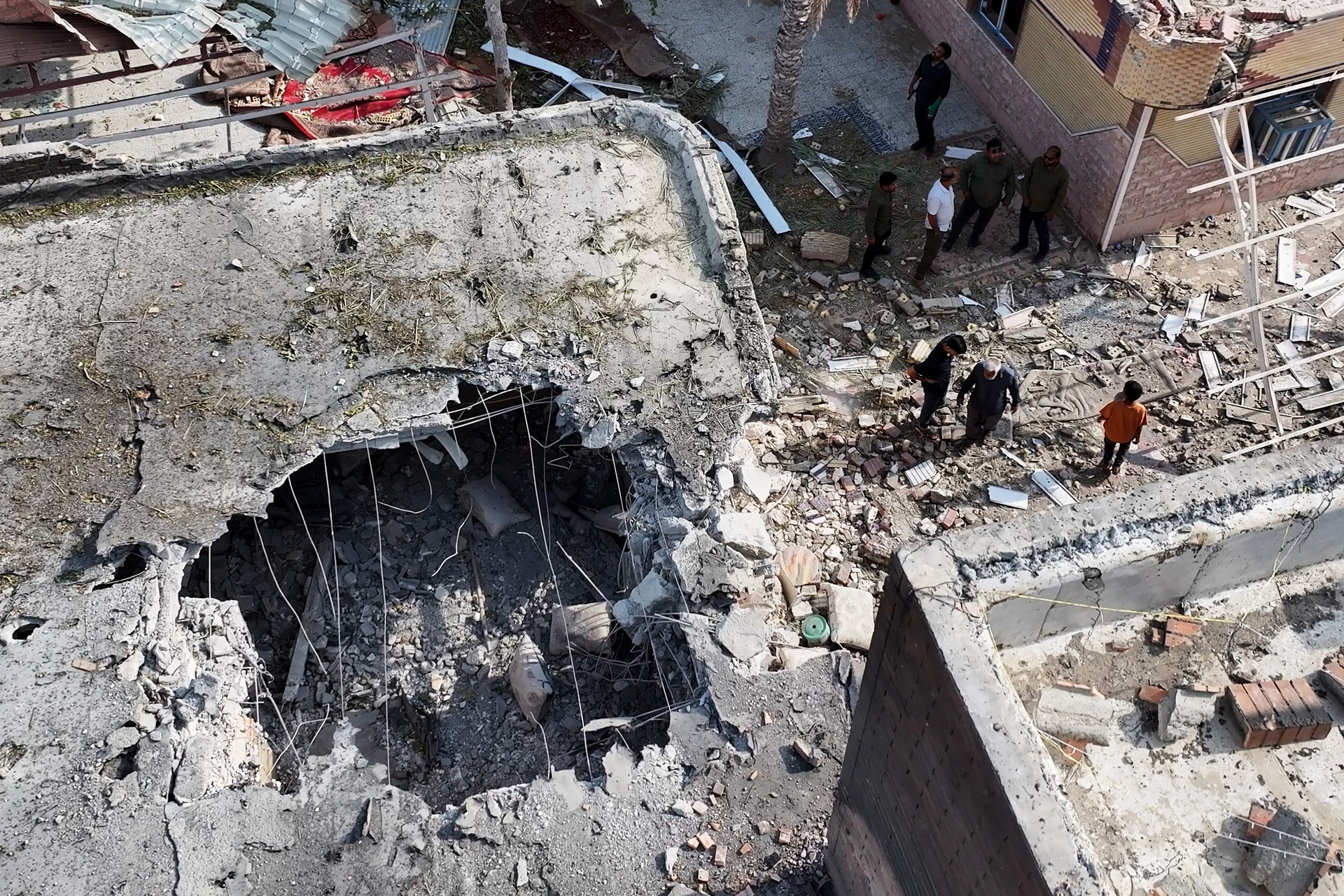
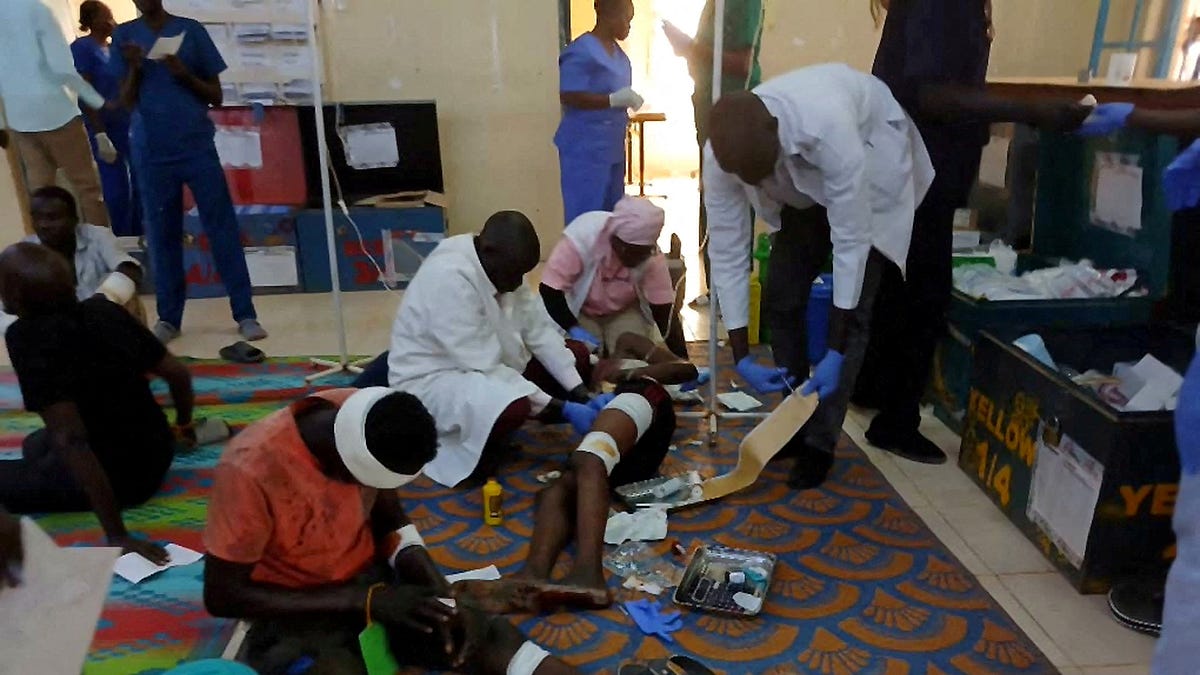
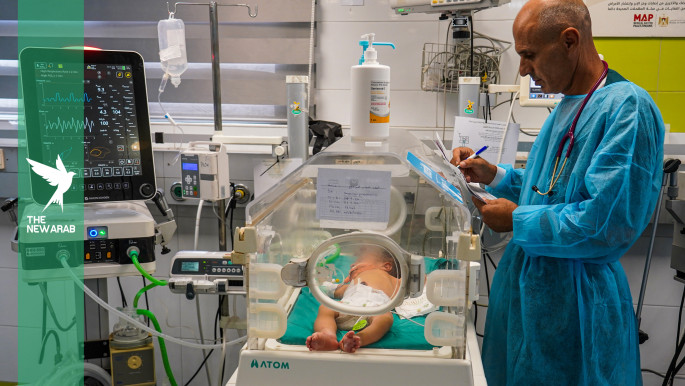
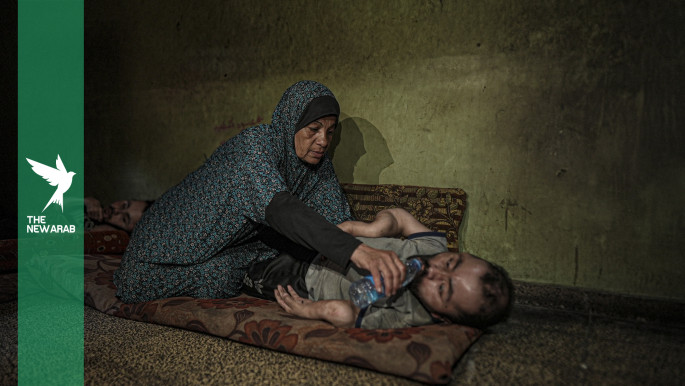
As Israel’s genocide devastates Gaza, an oxygen supply crisis puts hundreds of patients at risk, leaving critically ill people struggling to breathe and survive.
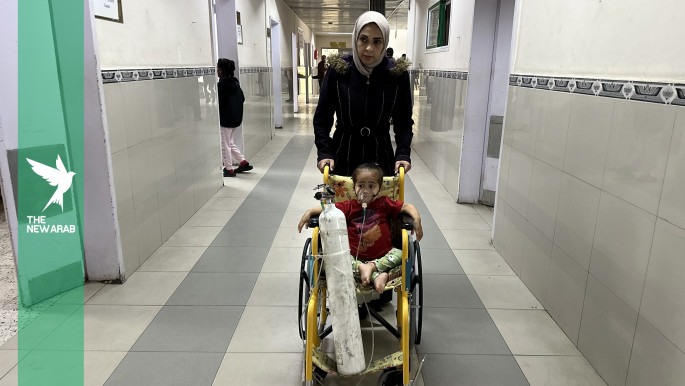
As climate change increases the risk of devastating floods in Nepal, a chronic lack of funding is leaving communities struggling to prepare, respond and rebuild.
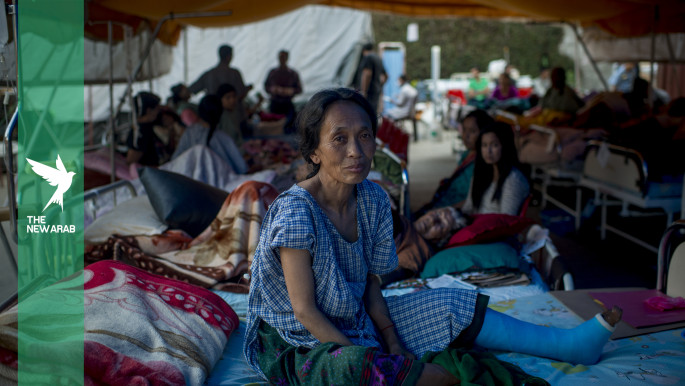
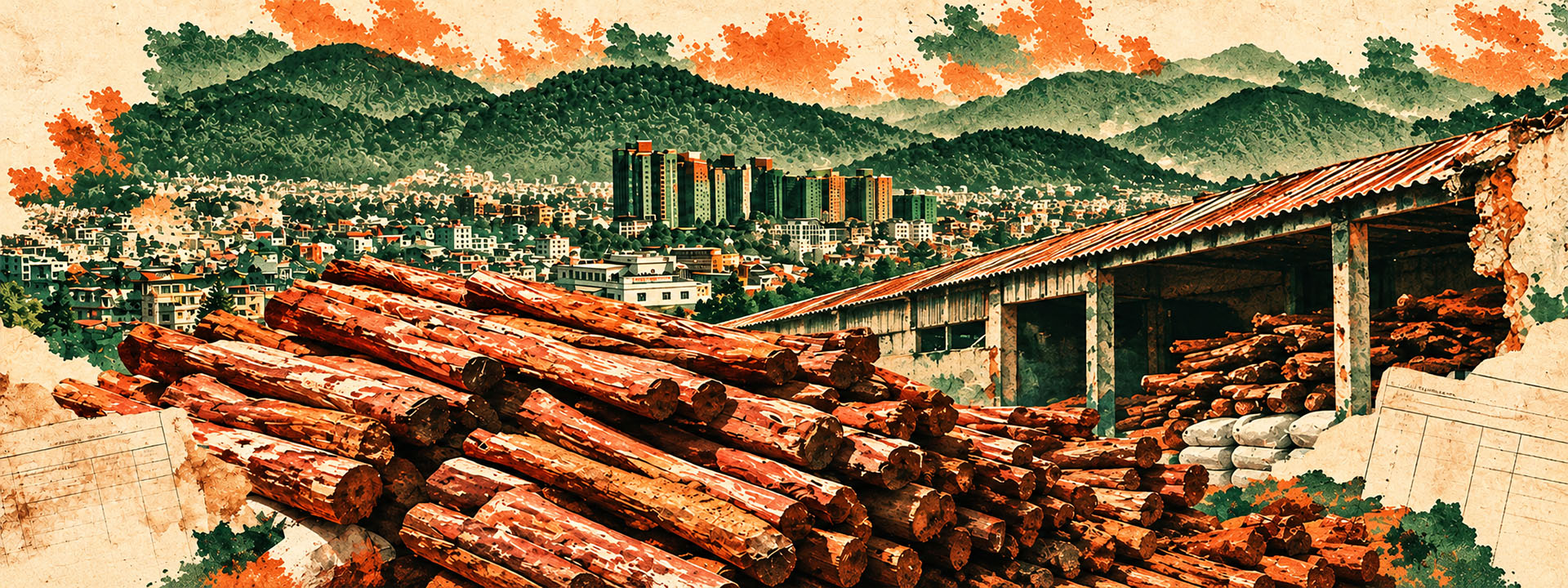
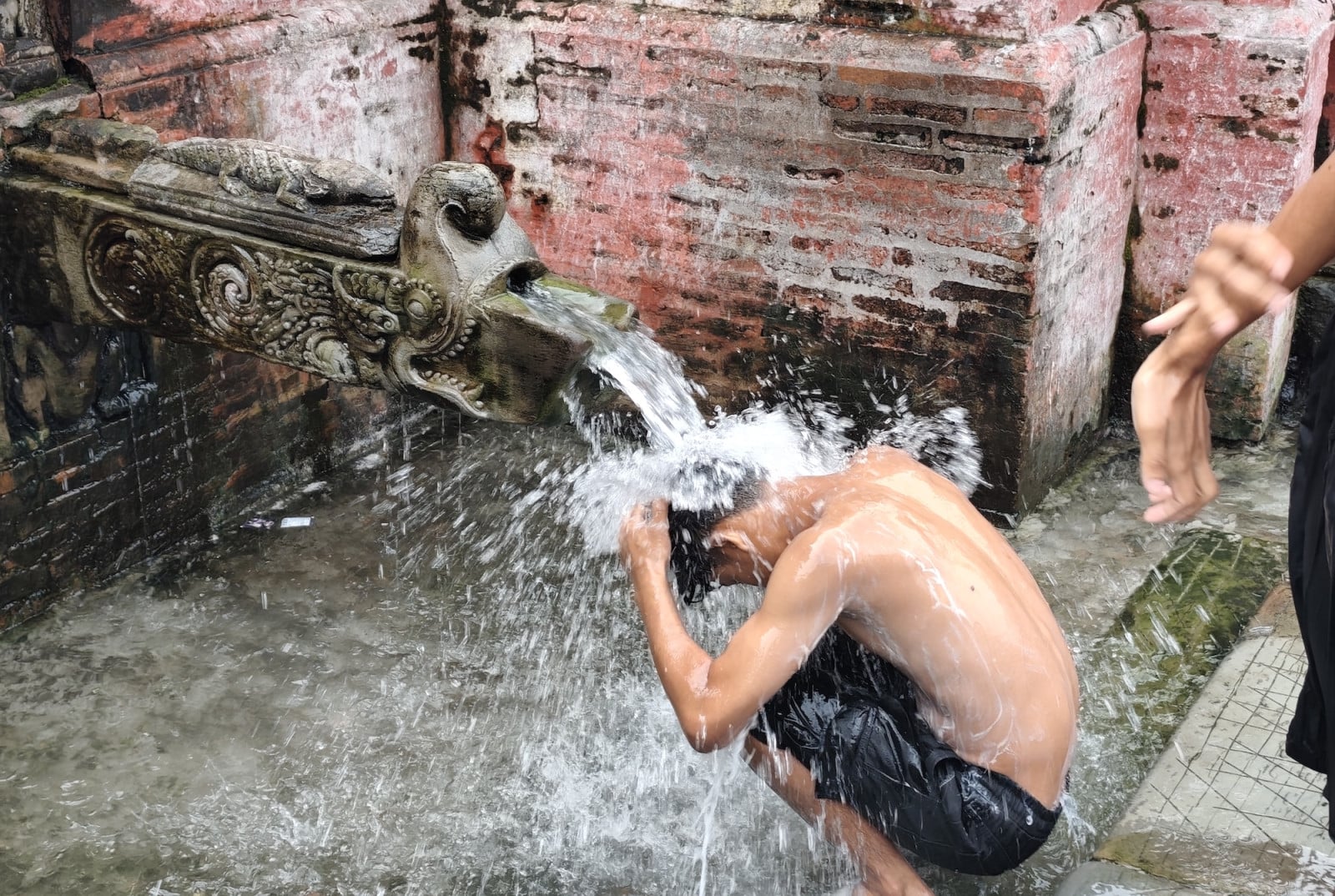
As floods and contamination undermine Kathmandu’s water supply, residents are restoring traditional stone spouts and the networks of ponds and aquifers that once sustained the valley.
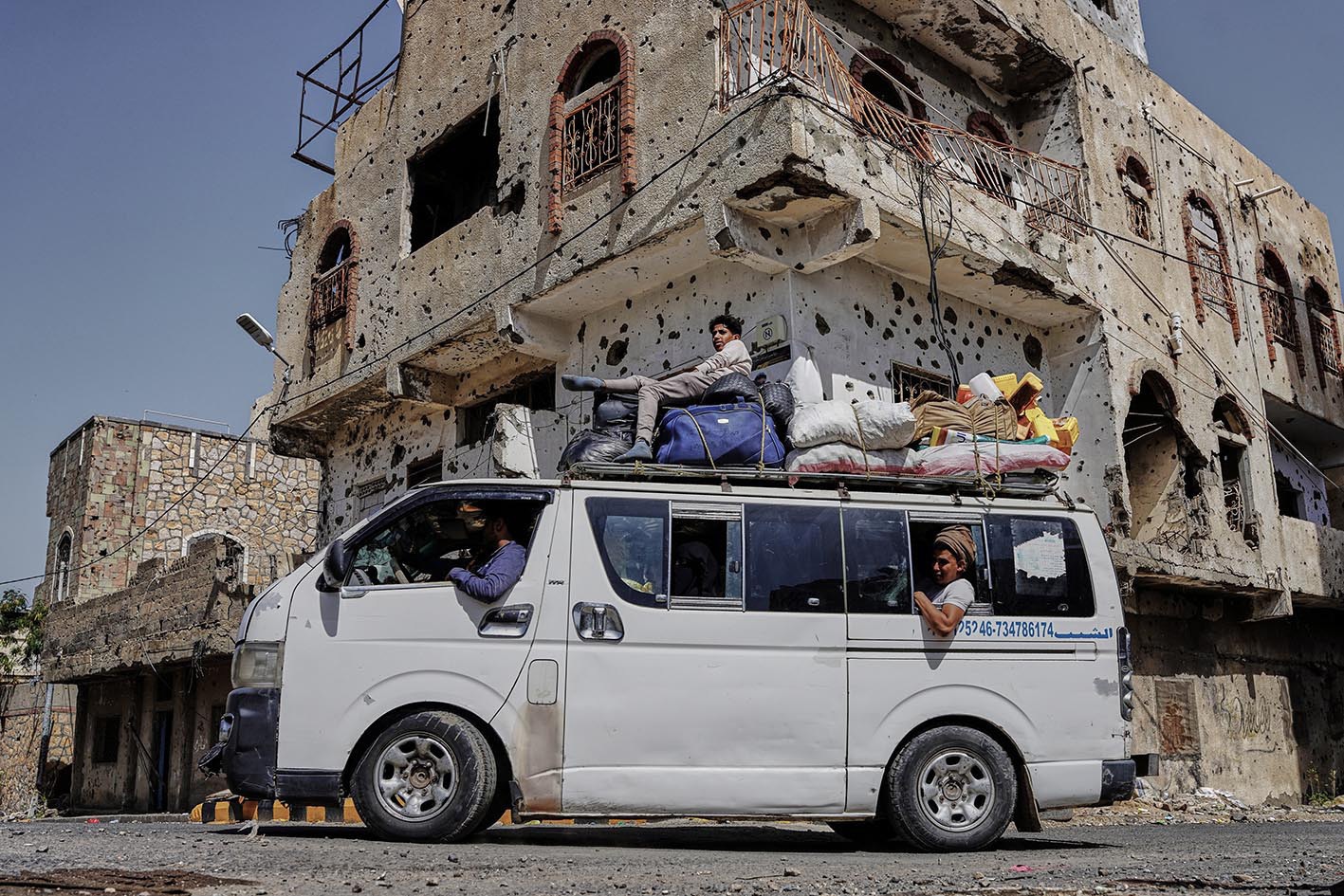
Local communities in the region are increasingly caught in the crossfire of violent drone attacks that are difficult to attribute and investigate.

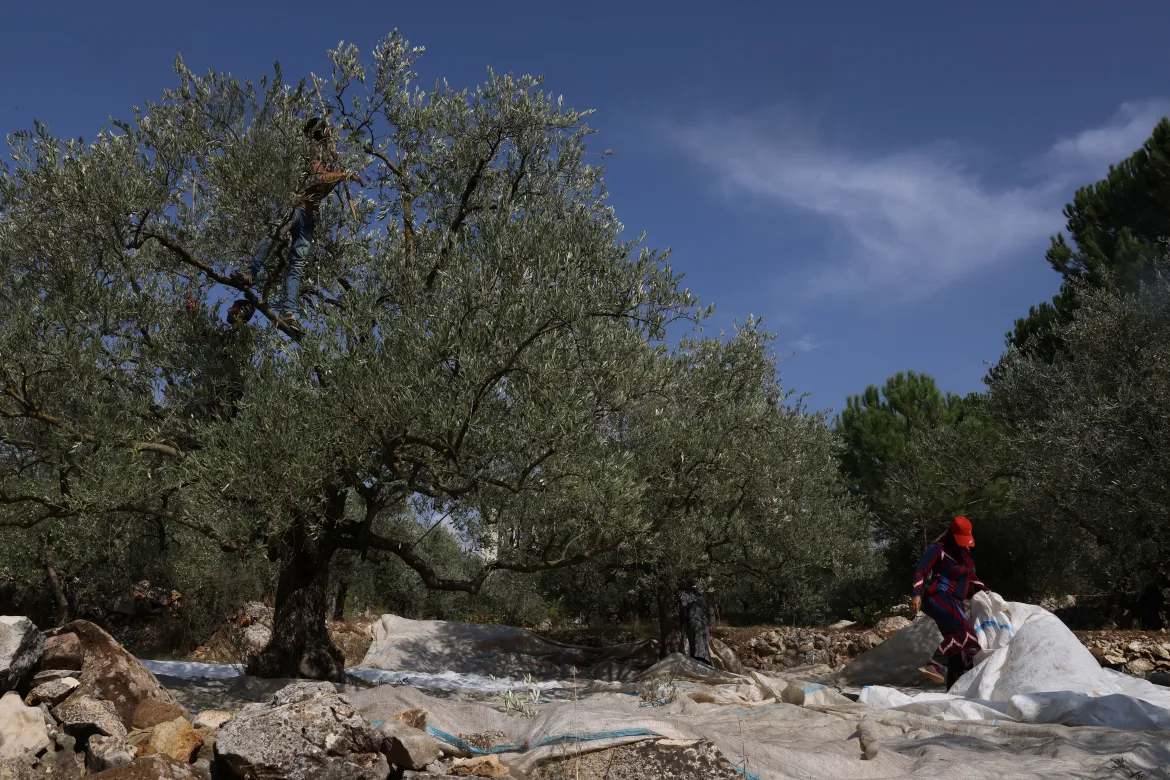
When pesticide proved no match for the insect, desperate Phyllis Nvuda tried a new way to save her infested orchard.
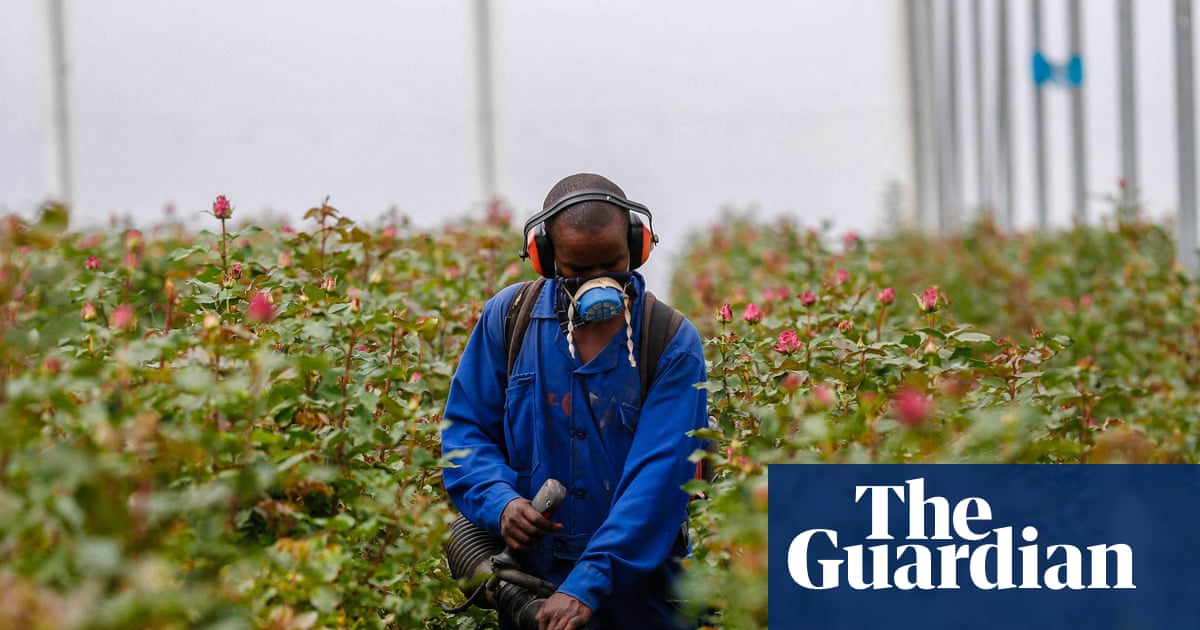
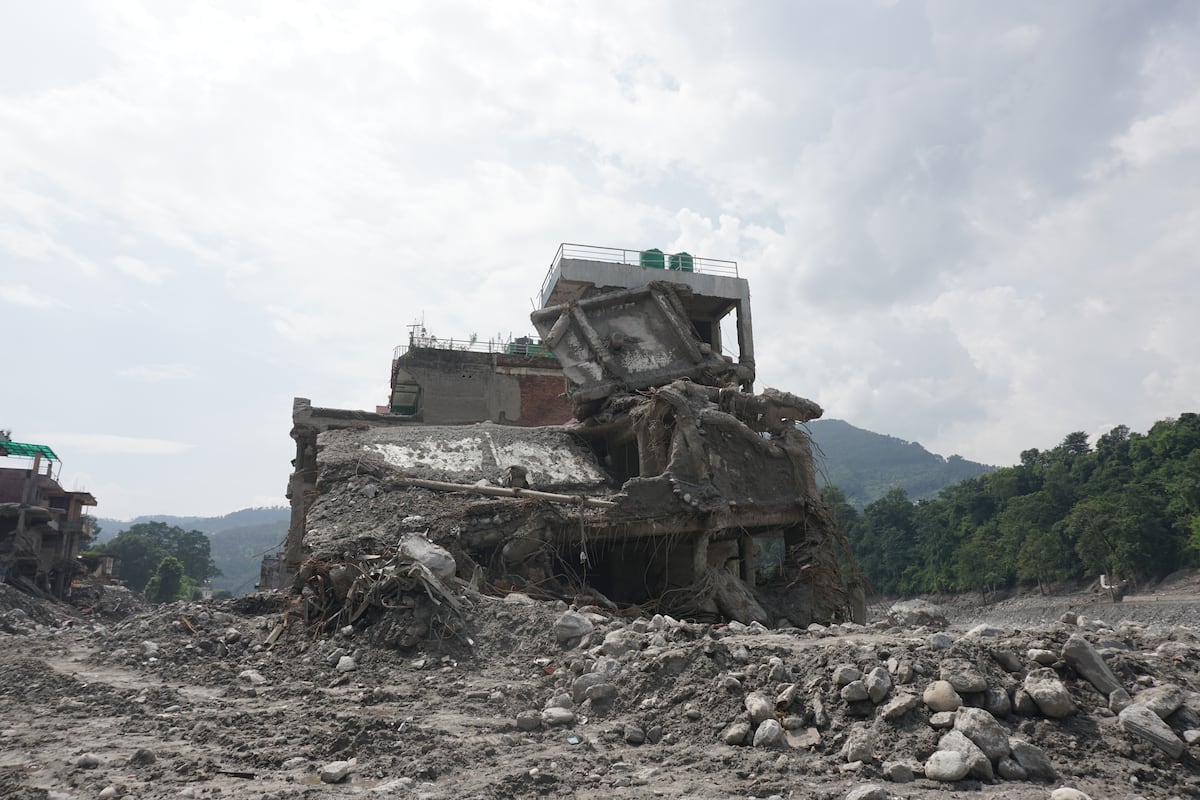
A devastating Himalayan glacial flood has left Nepal confronting mass casualties, missing residents and ruined communities, testing its new government’s disaster response and demands for climate justice.
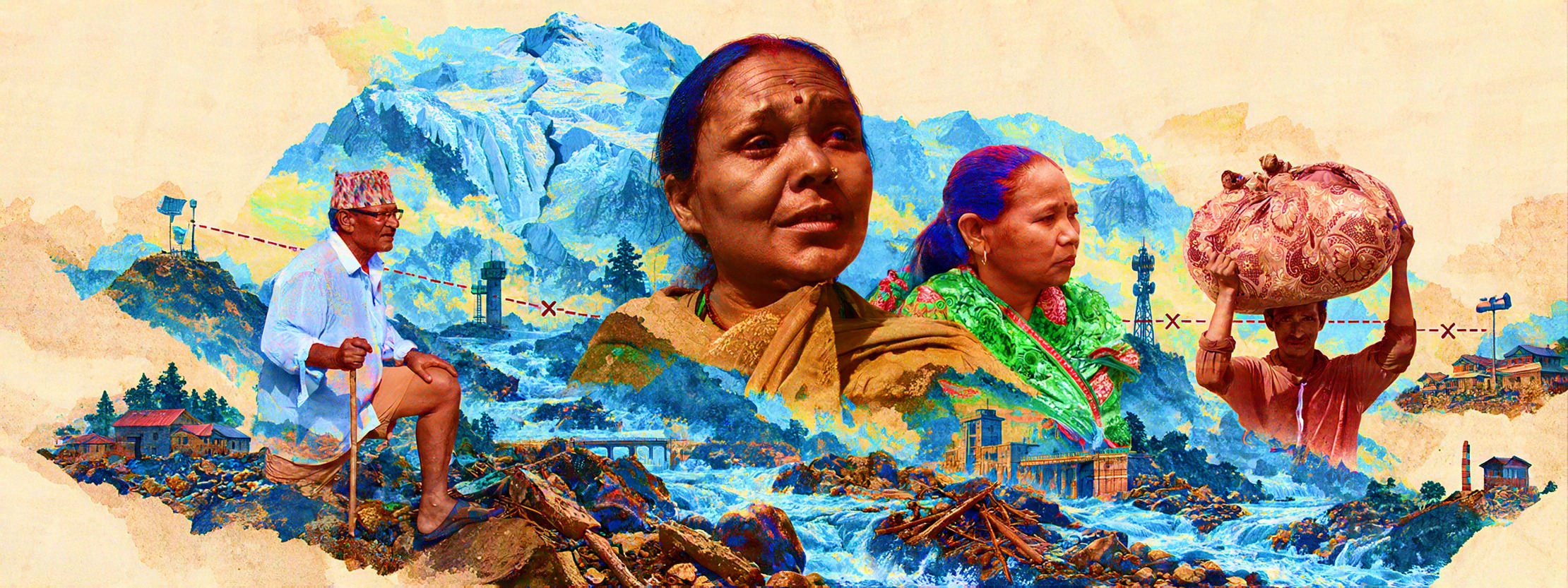
Kenya’s role in the US-led war on terror has reshaped daily life through expanded security powers, intrusive searches and persistent ethnic and religious profiling of Somalis and Muslims.
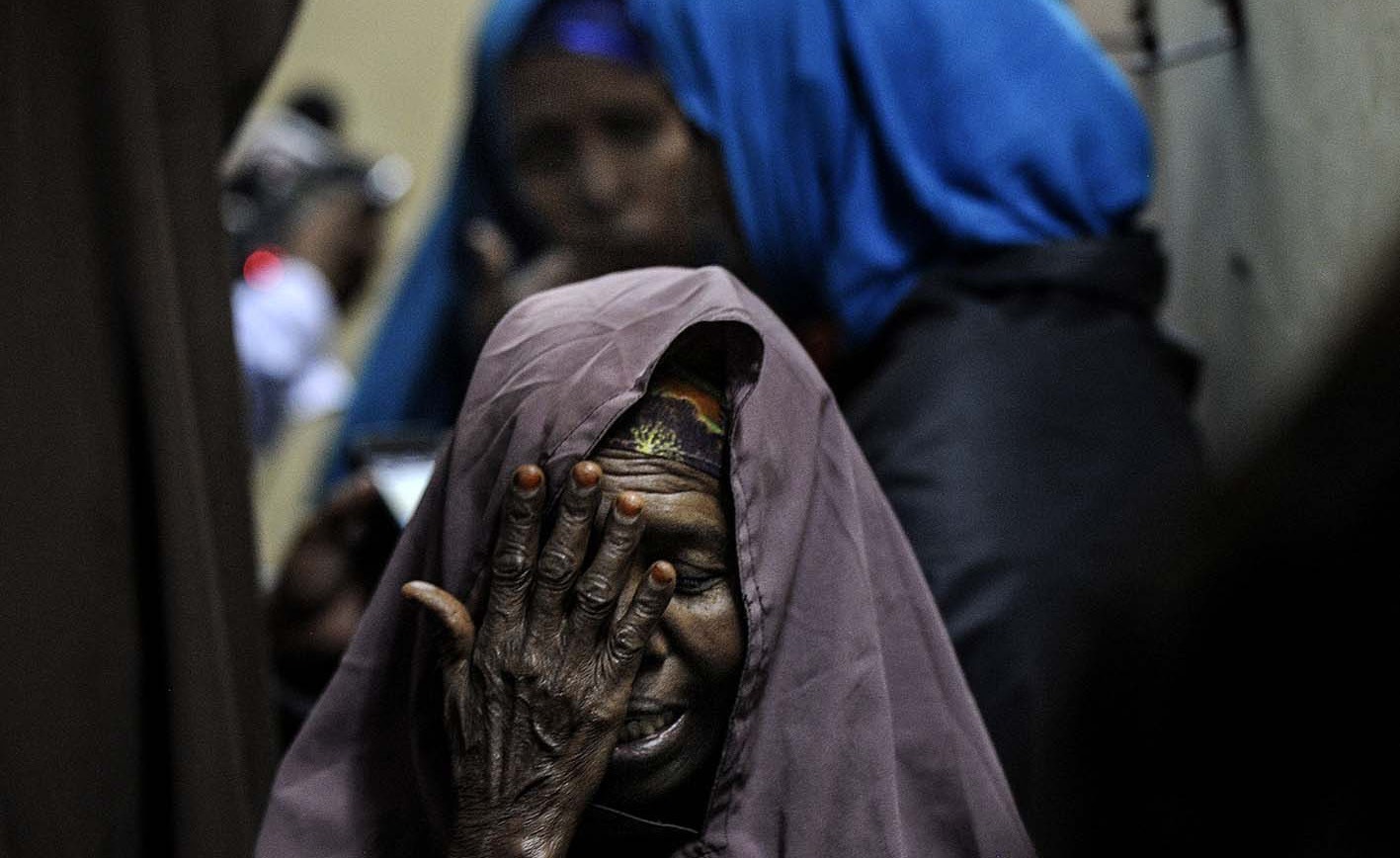
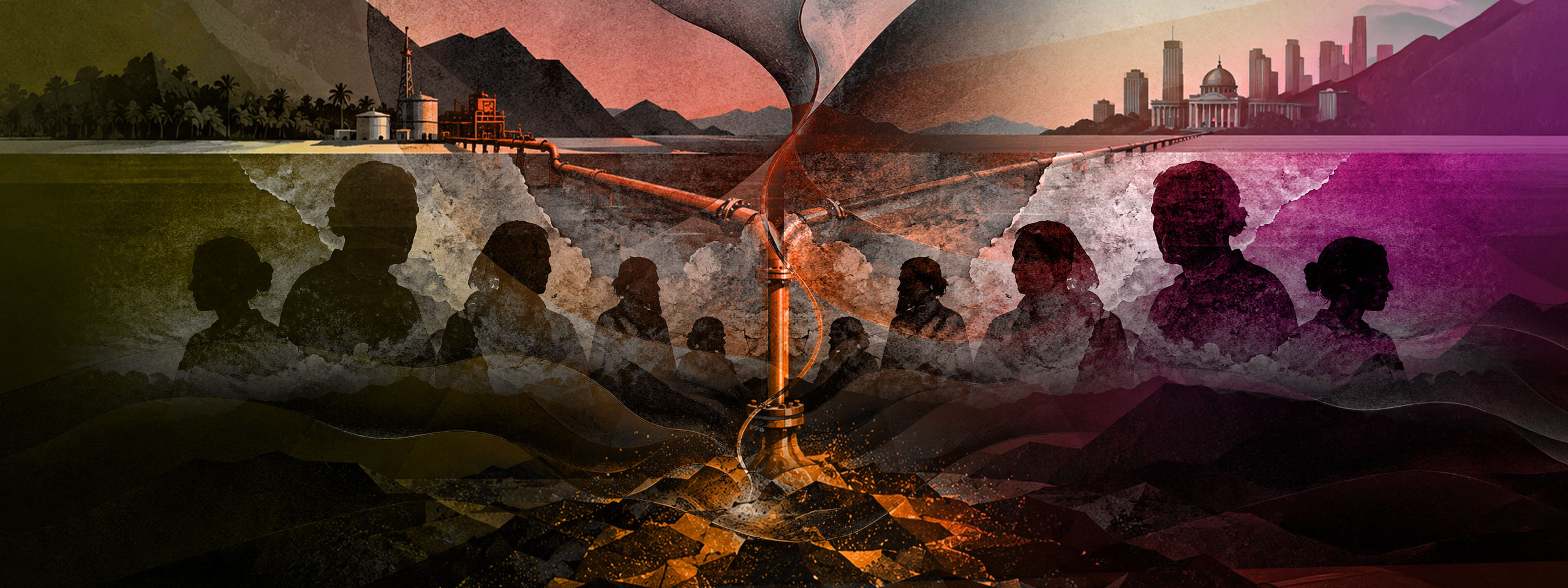
Post-9/11 financial restrictions disrupted northern Nigeria’s trusted hawala networks, damaging remittances and cross-border trade while helping push some financial and militant networks underground.

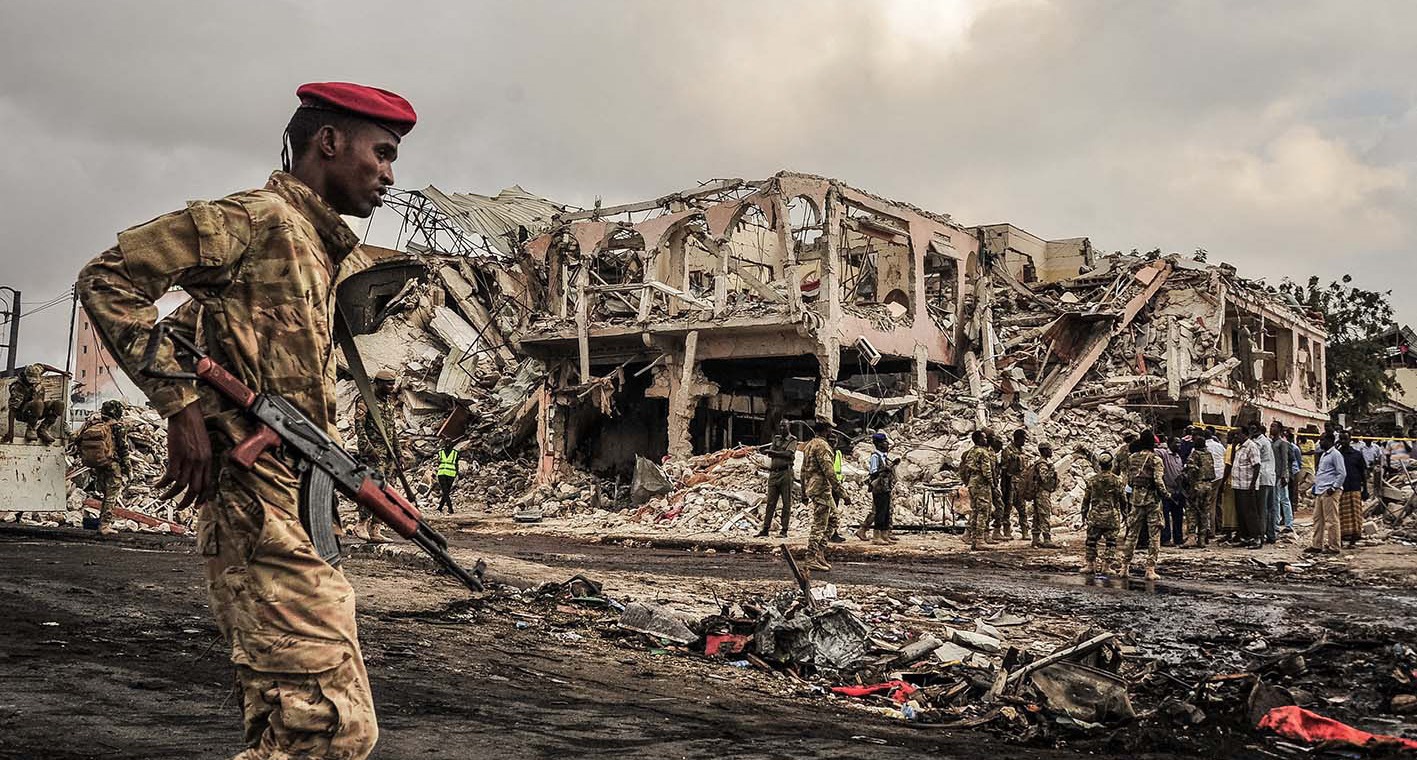
After 9/11, Washington increasingly viewed Somalia through a counterterrorism lens. Successive interventions have deepened armed insurgency and civilian suffering instead of resolving the country’s political crisis.
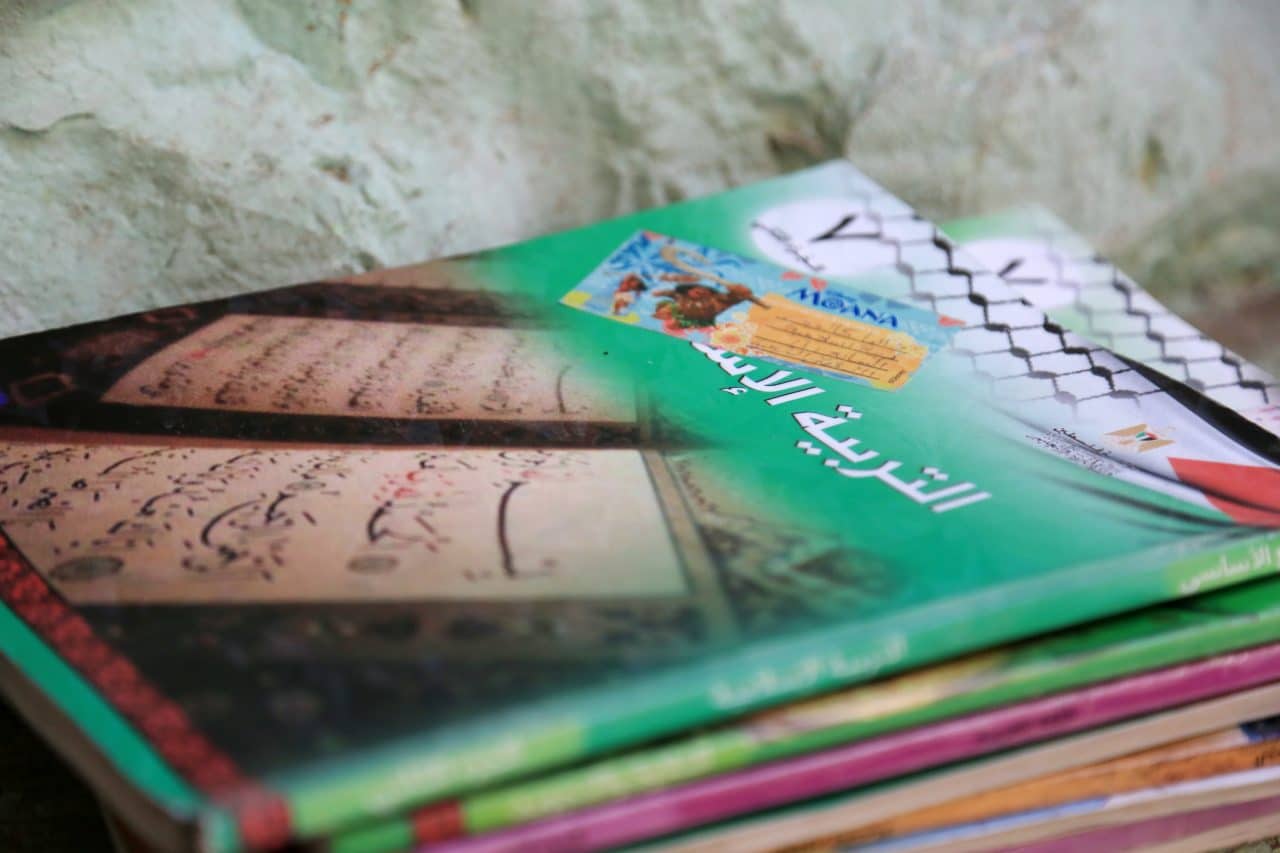
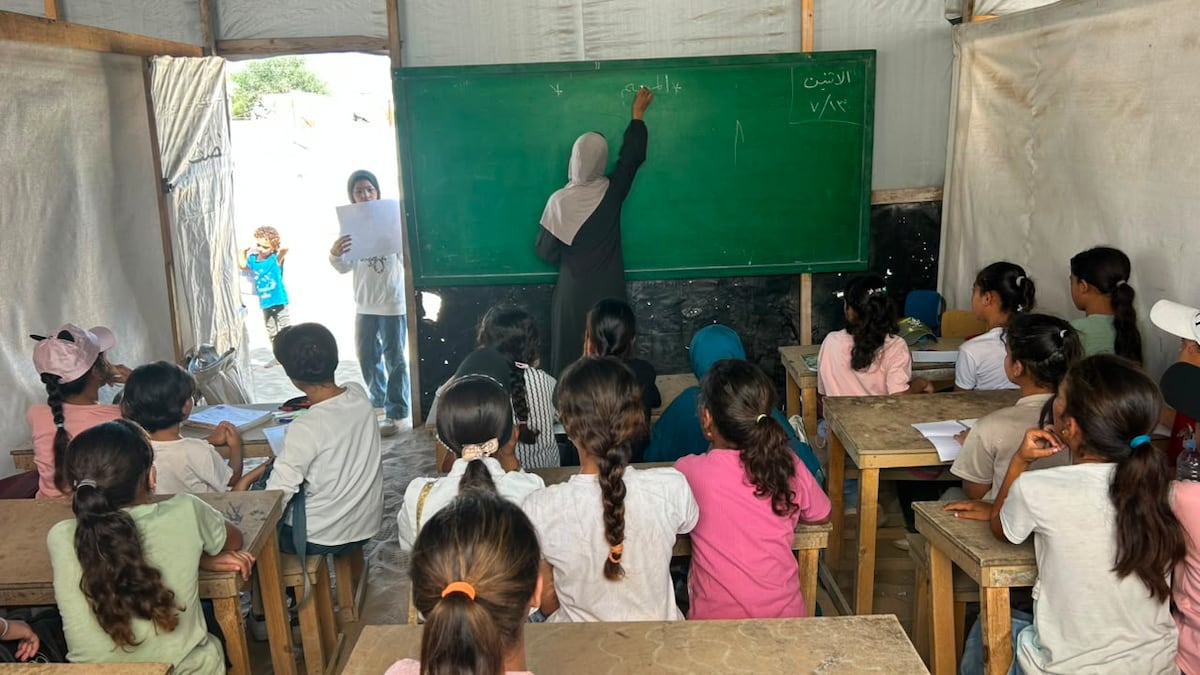
Se calcula que 658.000 niños se han visto privados de una educación en condiciones. Tres años después del inicio de la ofensiva israelí, las familias no pueden permitirse comprar cuadernos y los docentes imparten clase en precarias tiendas de campaña.
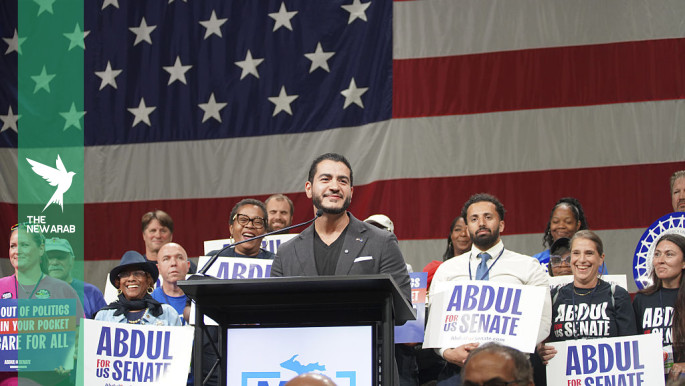
Two Egyptian American candidates are turning years of post-9/11 suspicion into political power, challenging pro-Israel spending and reshaping US politics.
Driven by fears for their own children, women in Syria are taking on dangerous demining work while reaching families in conservative communities their male colleagues often cannot.

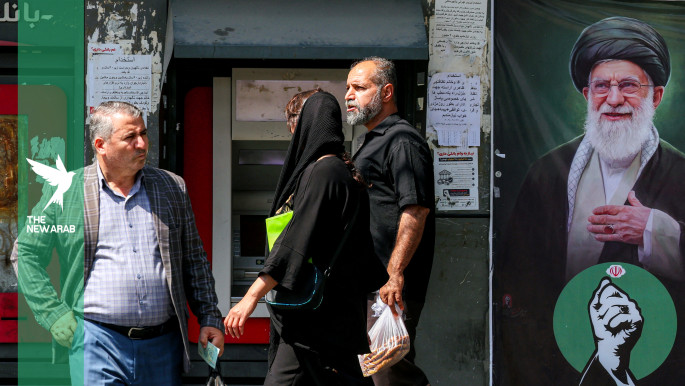
Iran’s inflation crisis is squeezing families as sanctions, the US war, and a currency collapse drive up food, healthcare, fuel, and living costs.
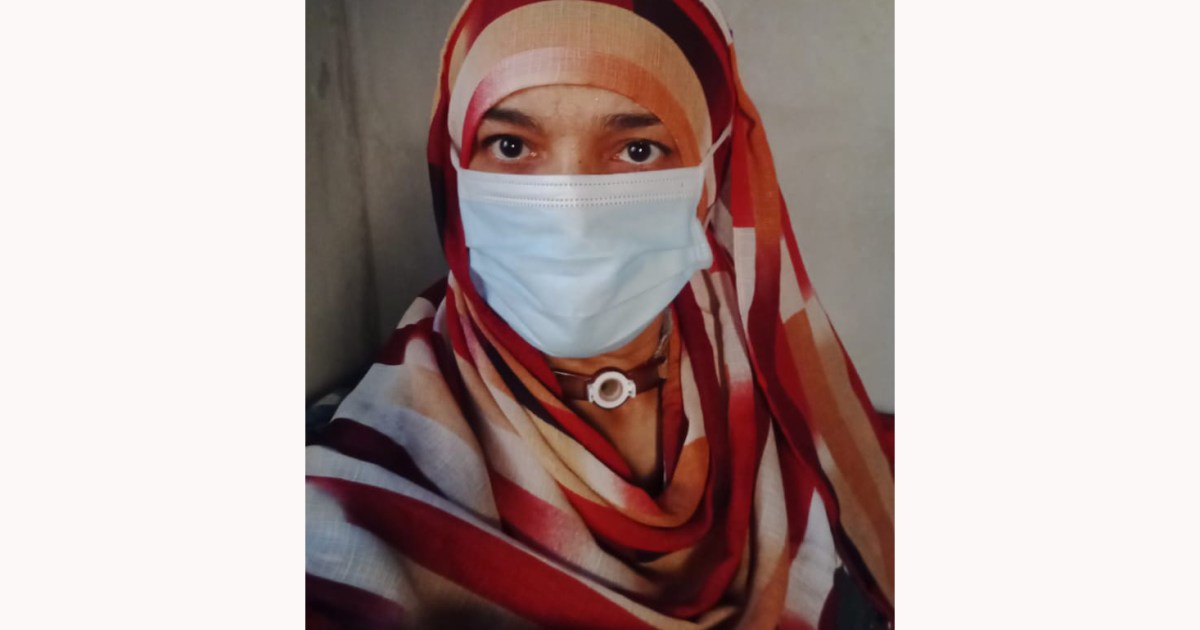
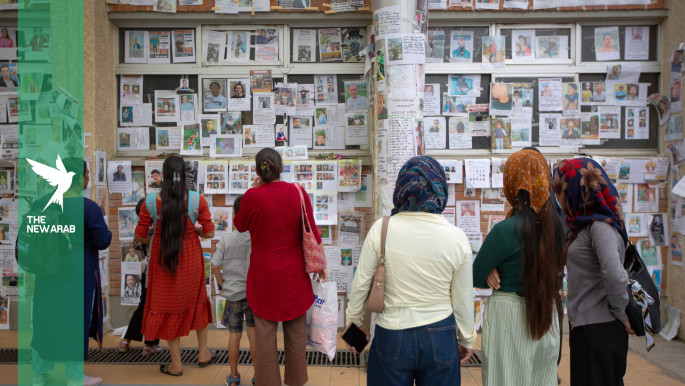
Weeks after Nepal’s deadly glacier flood, families fill Kathmandu’s hospitals with photographs and names, waiting for answers about loved ones still missing.
Two wrestlers have become the latest to flee while abroad, drawing a wave of sympathy as well as legal threats.

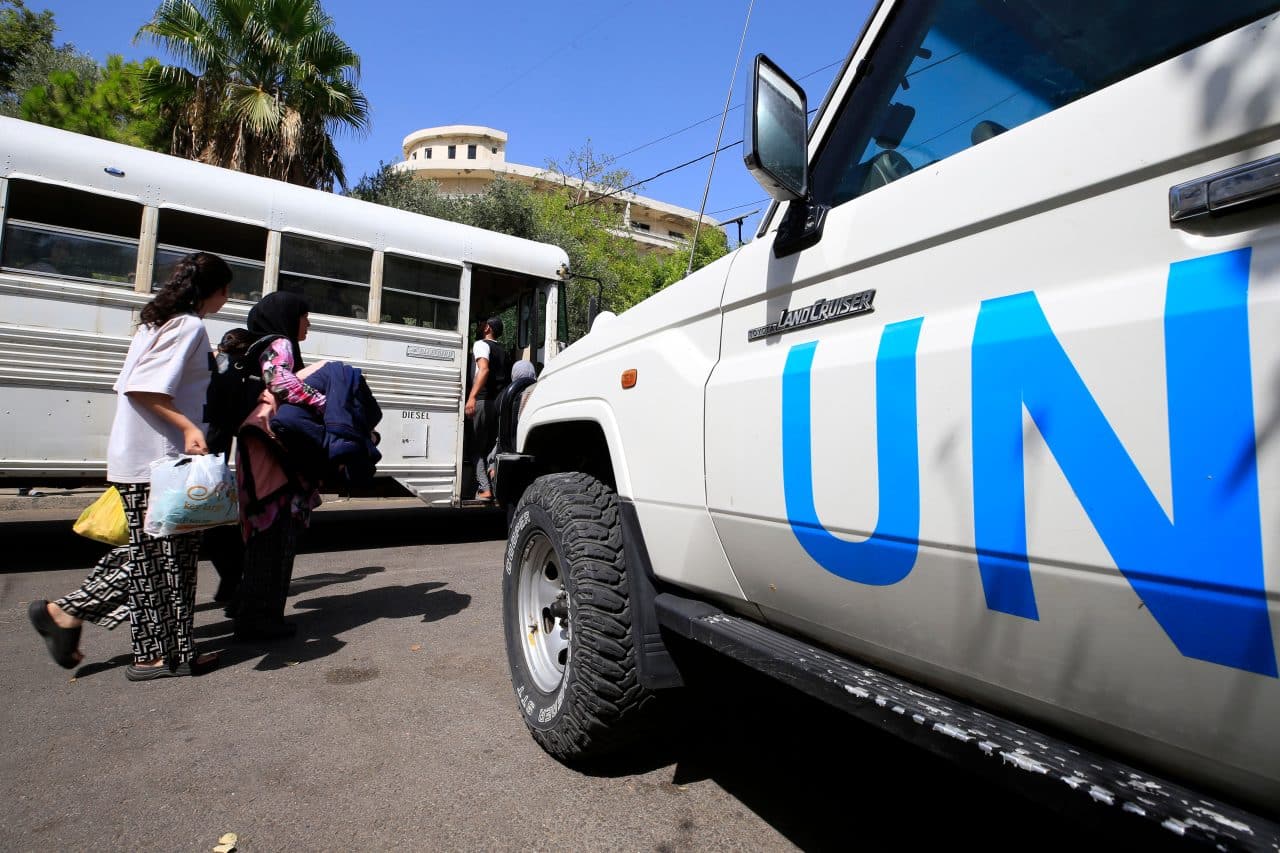
The United Nations Relief and Works Agency has excluded six Palestinian refugee camps in Lebanon from emergency cash assistance, as Israeli attacks and Western donor cuts leave families choosing between food and medicine.
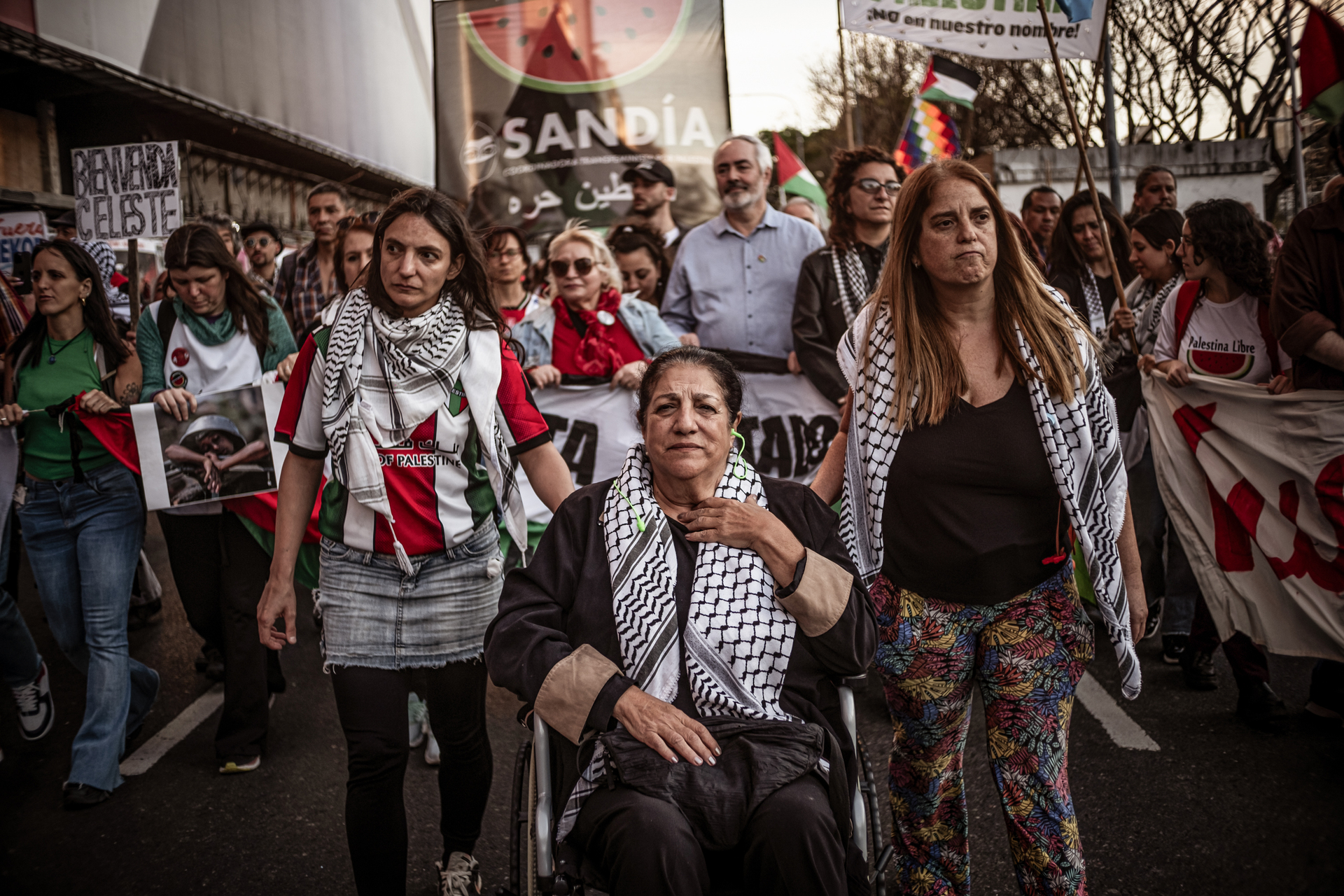
President Javier Milei is championing closer strategic and economic ties between Argentina and Israel. But many Argentines—Jewish and Arab alike—oppose that agenda.
Lebanon abolished the death penalty in a landmark move, but its new amnesty law is dividing the country and raising fresh questions over justice.
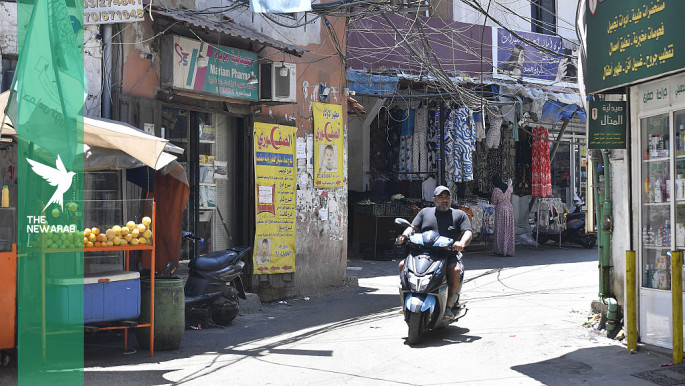
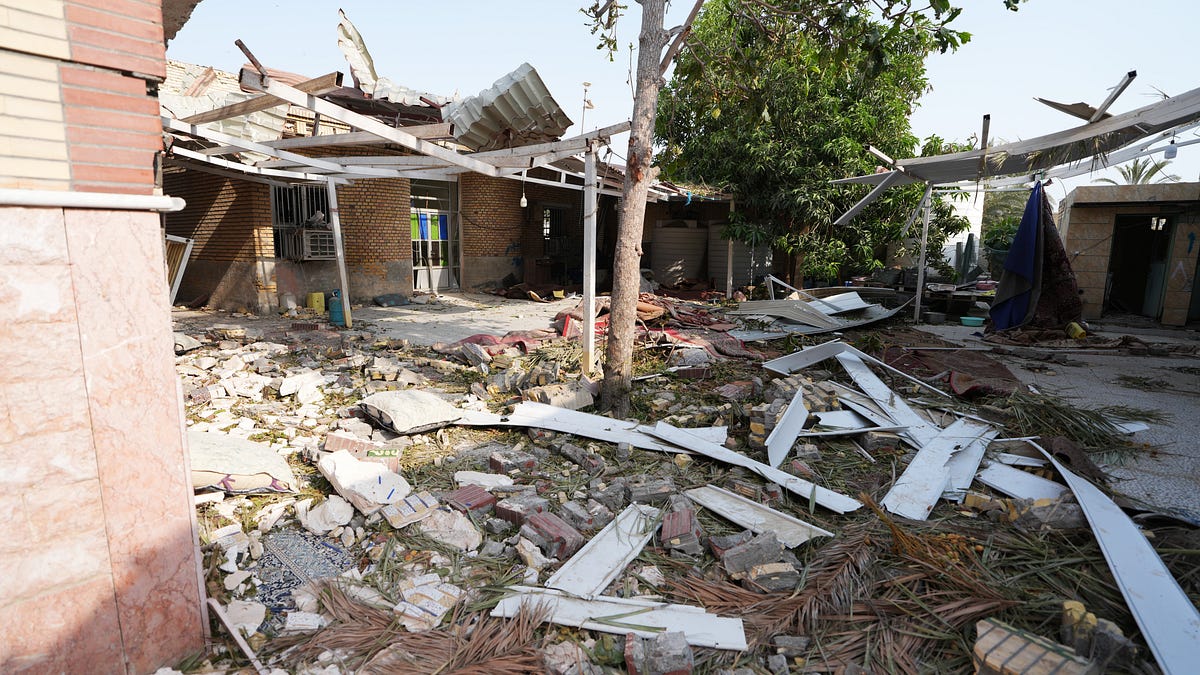
"My house was in a completely residential area. I don’t know what has happened to my life," Ali Mallahi, the father of the bride, said of the airstrike on his daughter's wedding that killed 5 people.
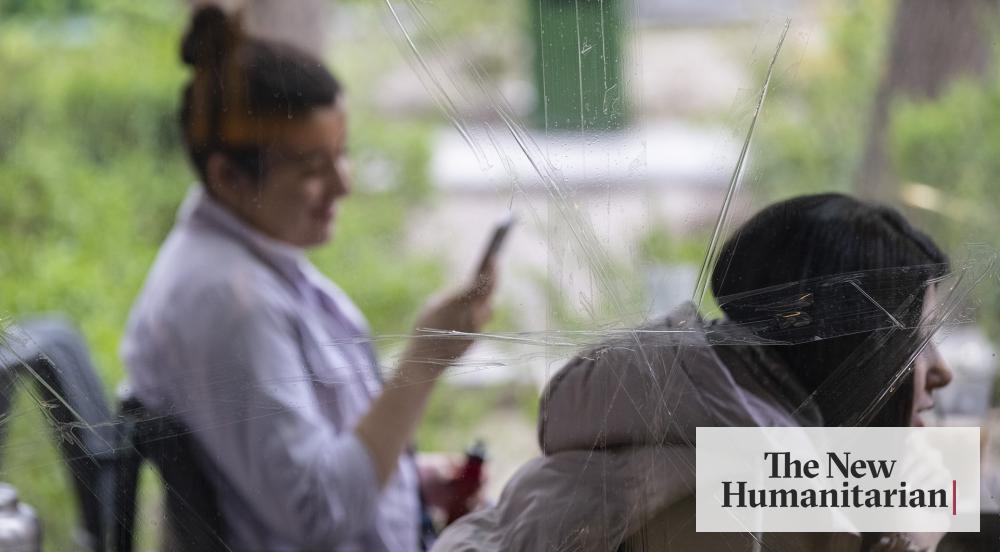
Five young Iranians describe cancelled weddings, lost jobs and shrinking ambitions as war, inflation and uncertainty leave them unable to plan their futures.
On the ground in Gaza City, Zeteo speaks to the principals of a nursery school who had to calm young children and get them to safety amid Israeli gunfire and heavy bombardment near their school.
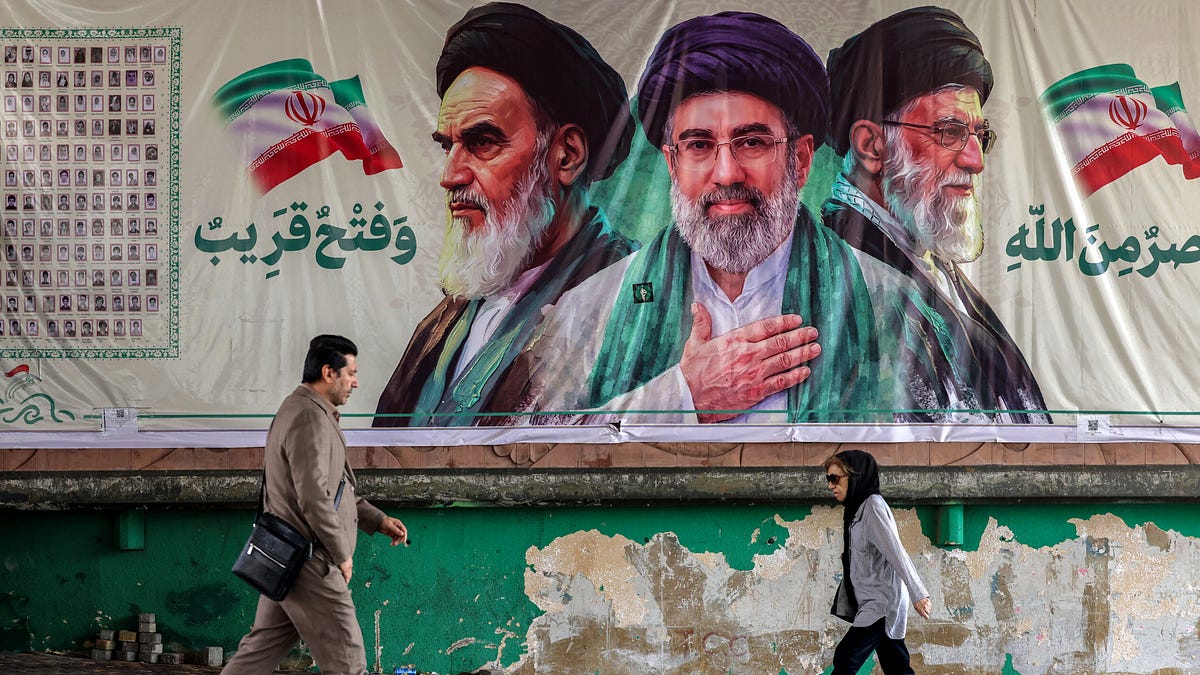
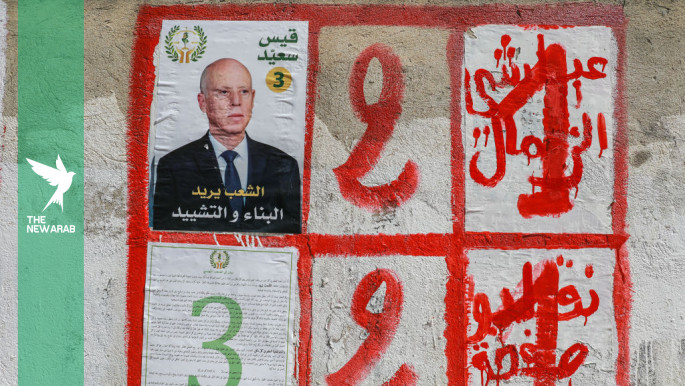
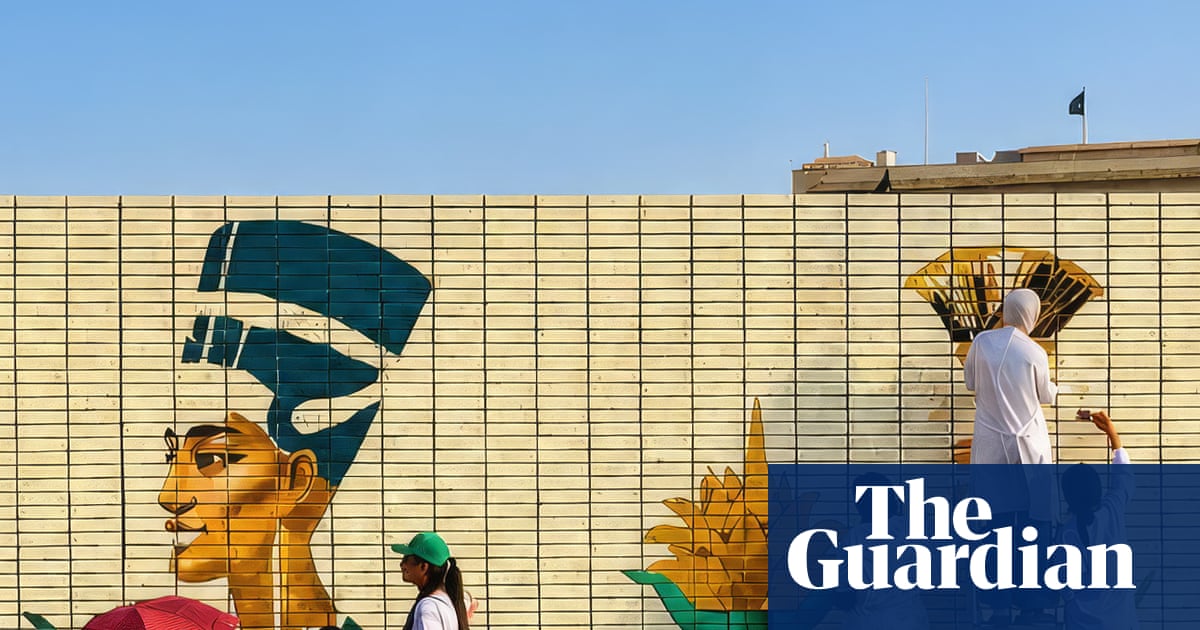
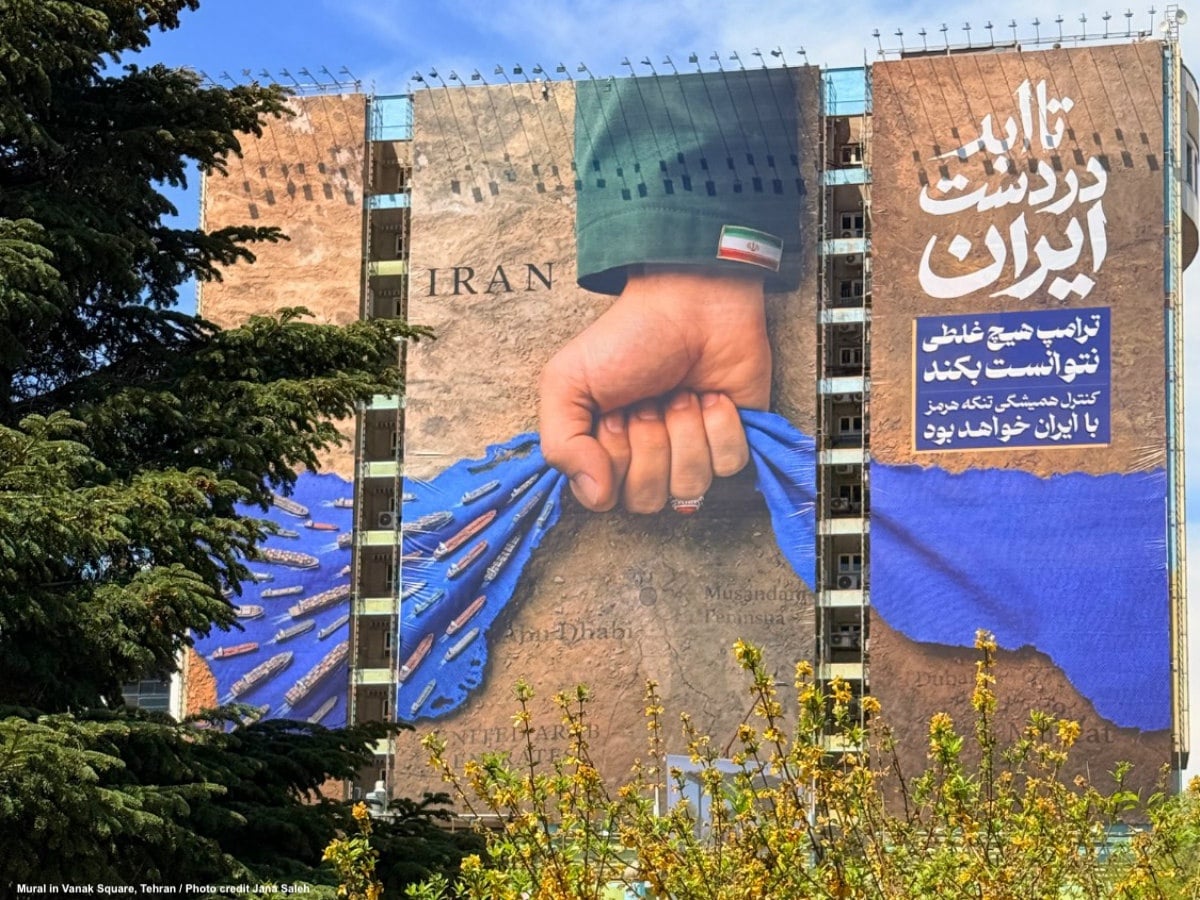
In Tehran, murals shift with the political weather overnight, and almost no one knows who’s really holding the brush.
An investigation in Nigeria’s Ibaji district finds that data mismatches and unreliable phone access excluded some of the poorest residents from GiveDirectly’s anticipatory flood aid, while others outside the target group received payments.
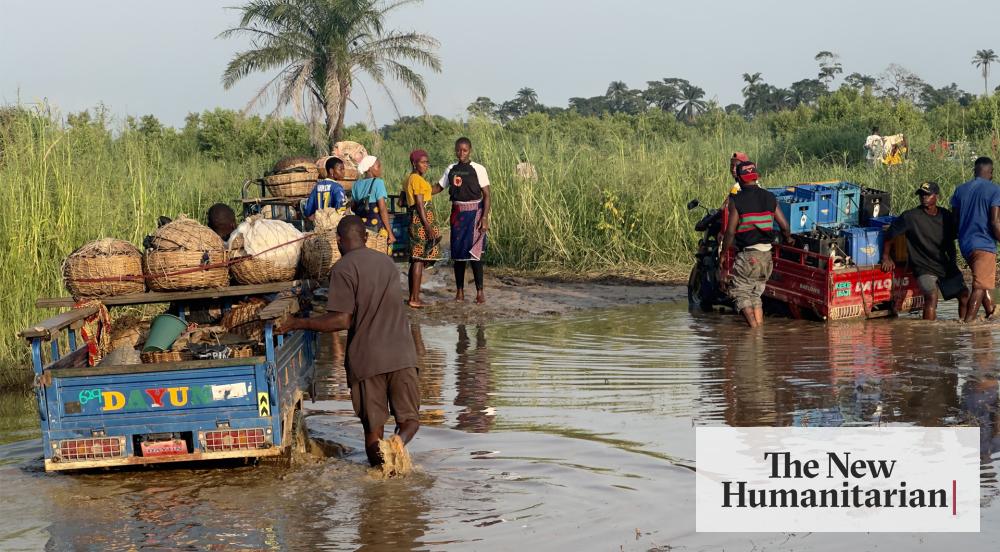
Schools have been disrupted, toys have disappeared, and safe spaces have shrunk. Now, after an Israeli threat against kites, children are destroying one of the few forms of play they have left.
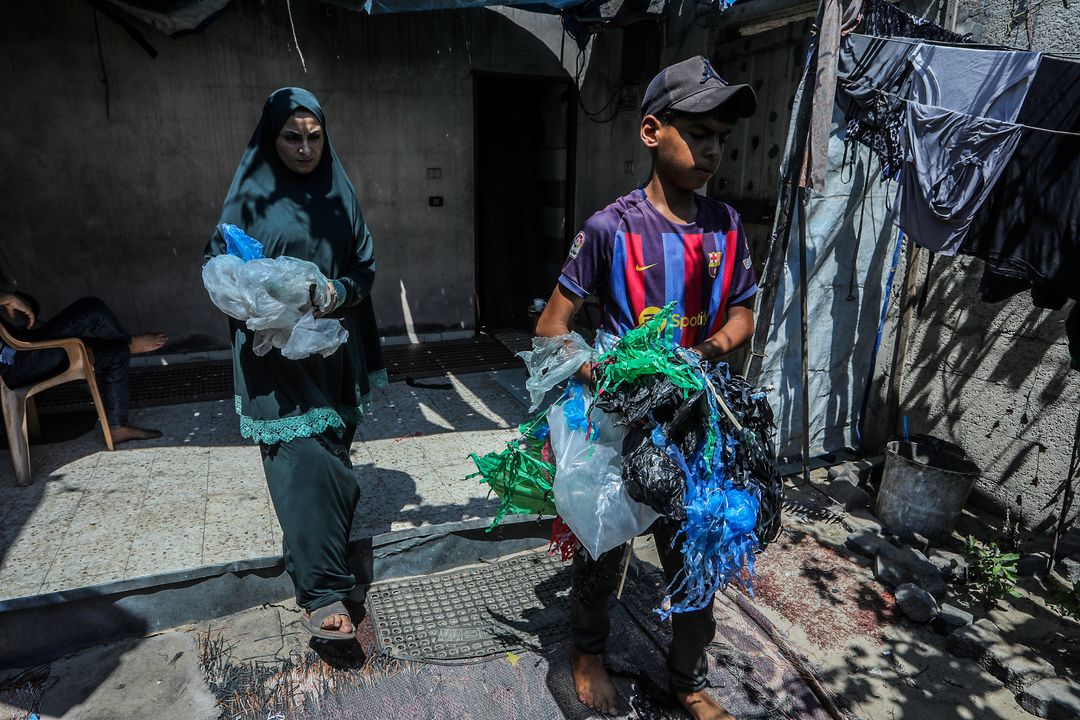
La retirada de fondos de EE UU y de países europeos obliga a organizaciones que prestan asistencia jurídica a reducir su actividad en uno de los países más hostiles del mundo para la diversidad sexual.
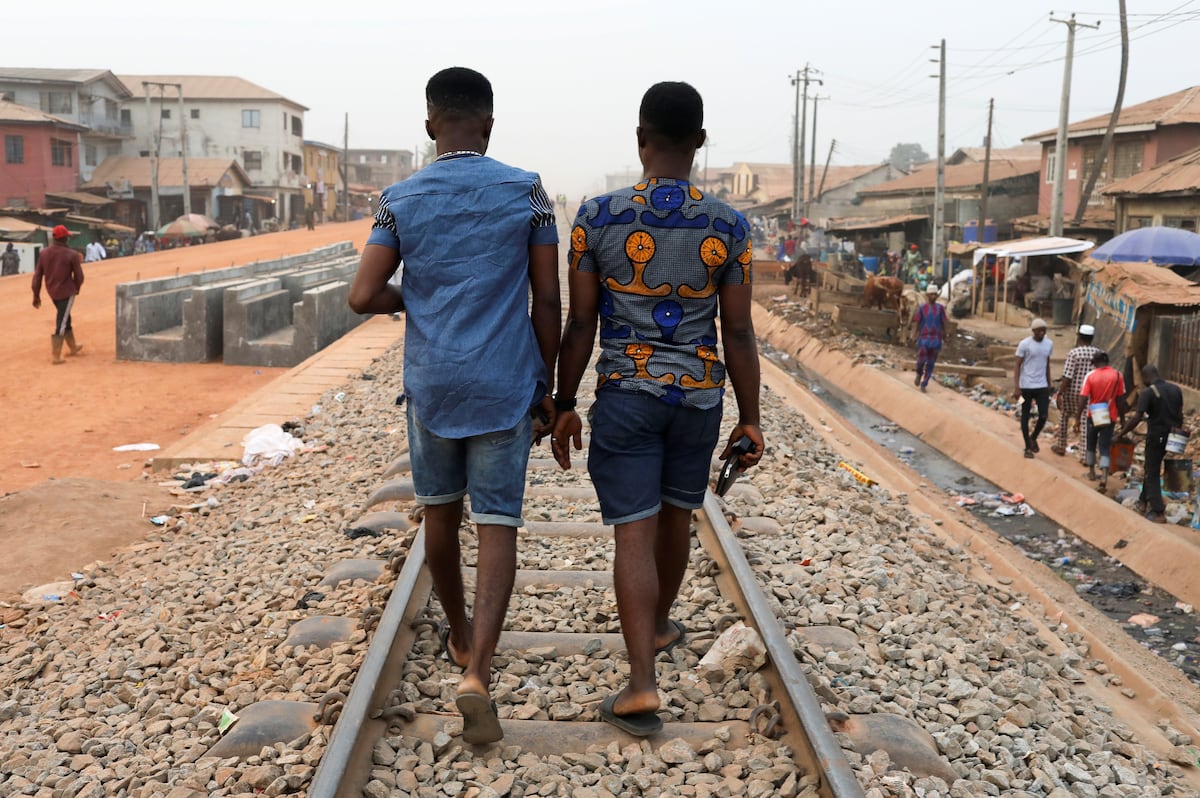
The death of Mohammad Ghamira after detention has revived memories of torture, raising questions over whether Syria’s security culture has truly changed.
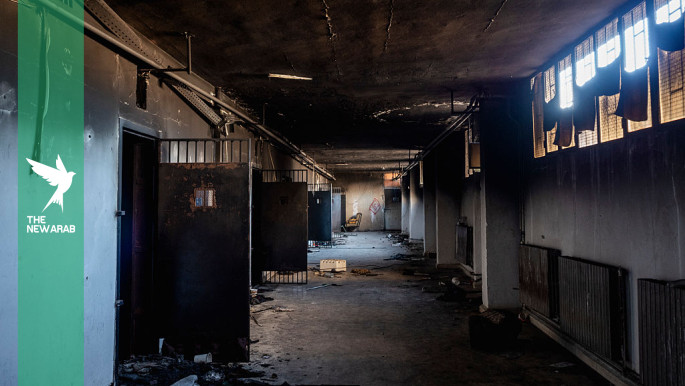
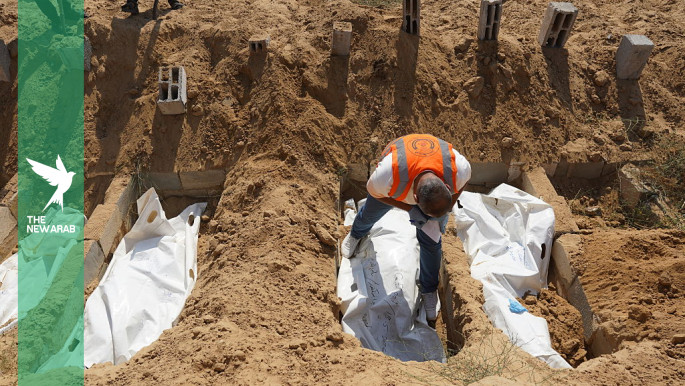
Across Gaza, families are burying remains recovered from mass graves and rubble years after Israeli strikes, often without knowing whose bones they hold.
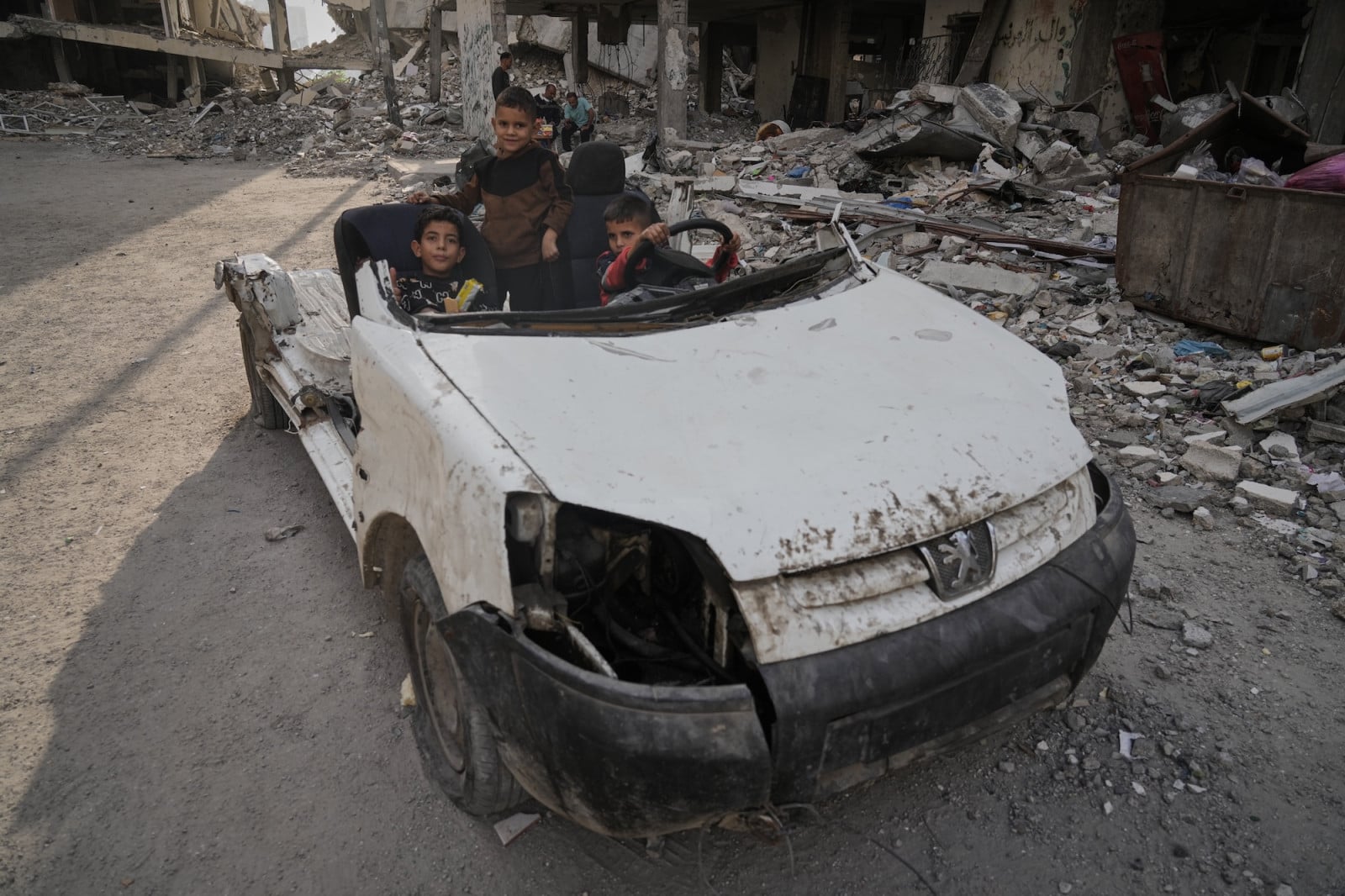
Ansam Al-Kitaa returns to driving lessons in a city transformed by war, where a Palestinian driving school keeps its four remaining cars moving through salvage, improvisation and determination.
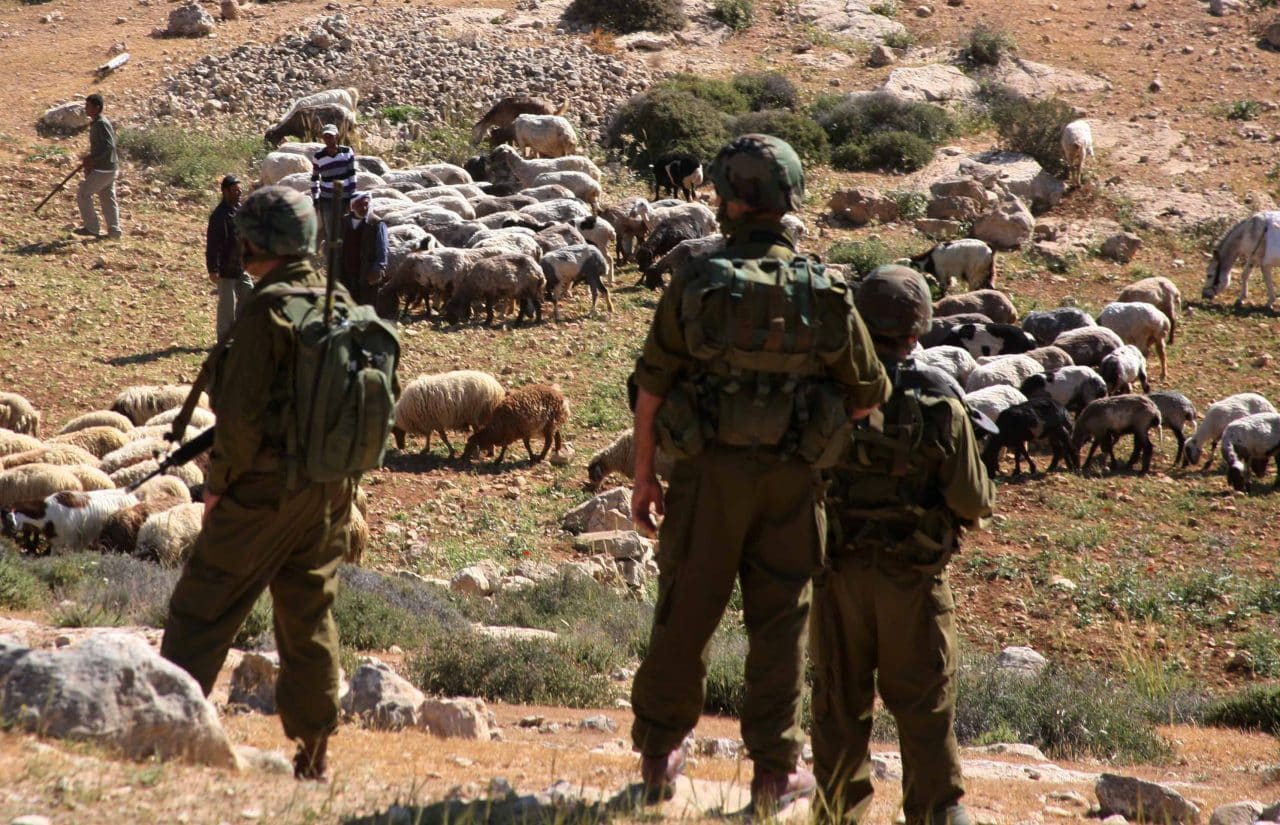
Israel’s use of so-called “shepherding outposts” to seize Palestinian land through settler herders is now being exported to Syria, as an Israeli settler, supported by the state, occupies Syrian pastureland in Wadi Toemm with a herd of 140 cattle.
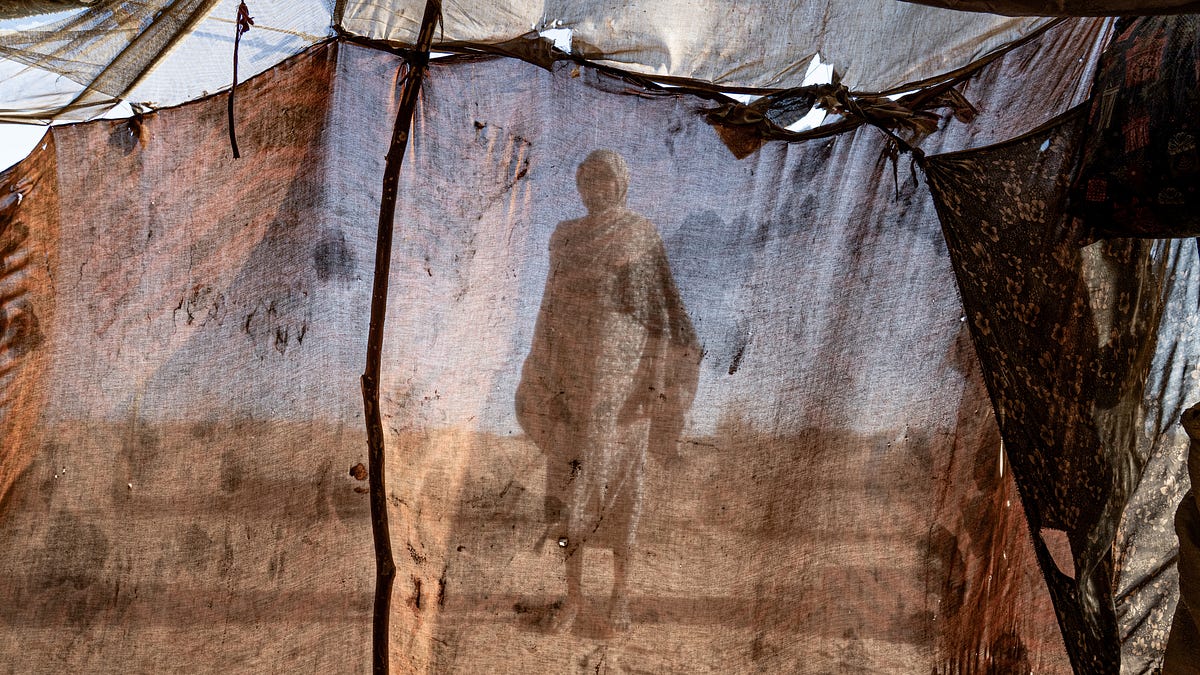
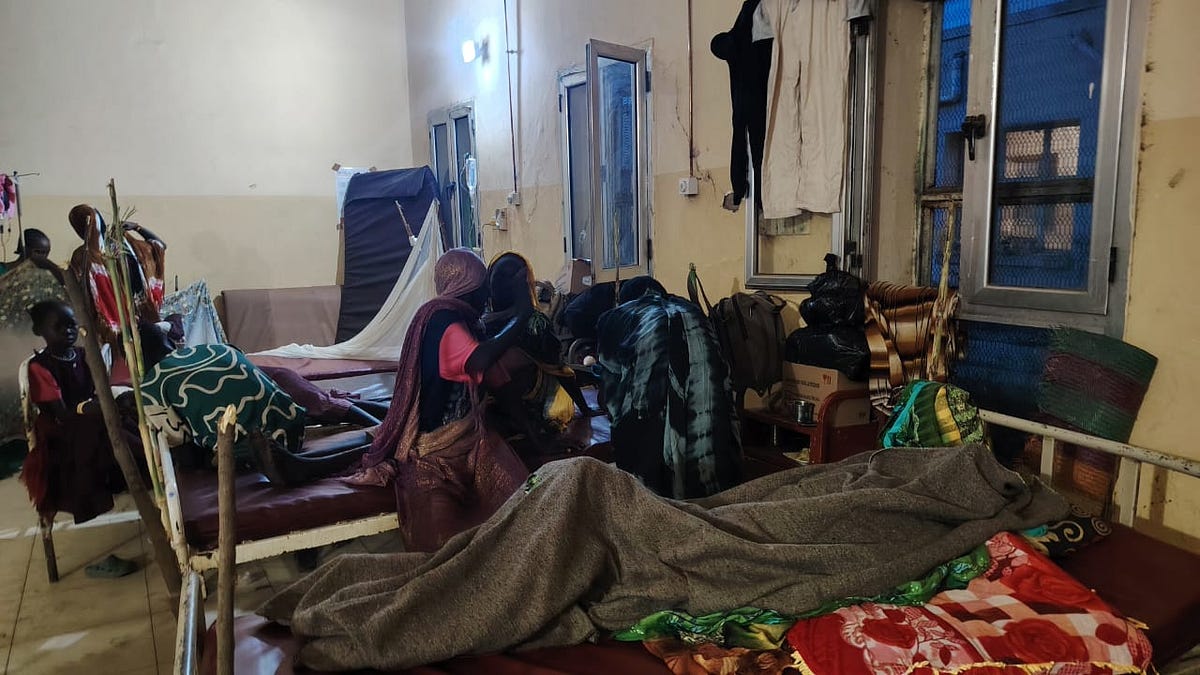
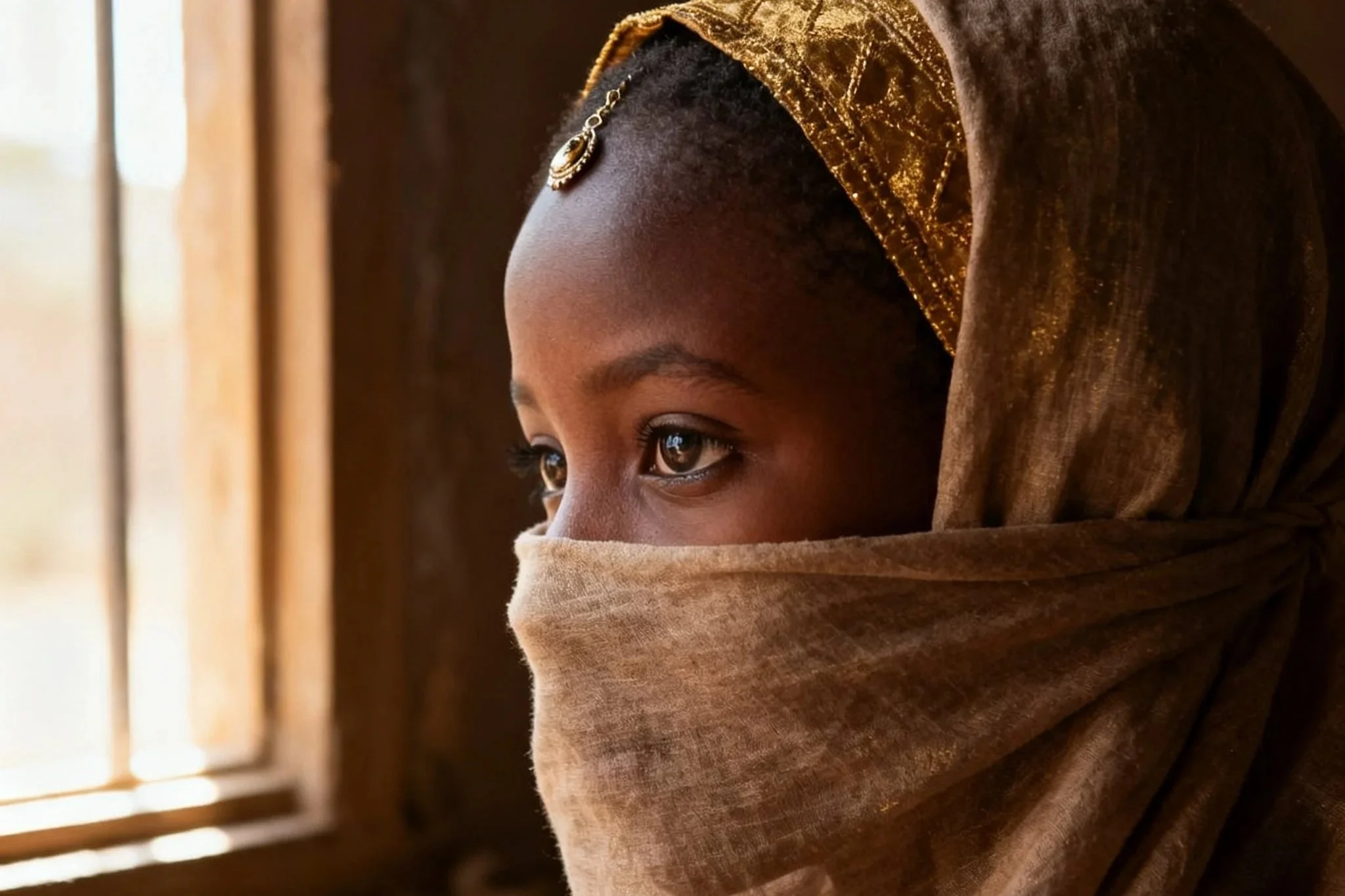
In Sudan’s displacement camps, families facing war, poverty and insecurity are increasingly choosing to marry off their daughters.
Amid Israel’s genocide, Gaza’s cancer patients face broken treatment, medicine shortages and delayed evacuations as makeshift centres struggle to provide care.
Lebanese digital artist Rafik El Hariri uses everyday scenes, shared memories and gentle surrealism to offer his followers comfort during war and repeated crises.
Shaped by sanctions, war, censorship, and an 88-day Internet blackout, a generation of young Iranians is turning to art, creativity, and everyday life as a way to survive and push back.
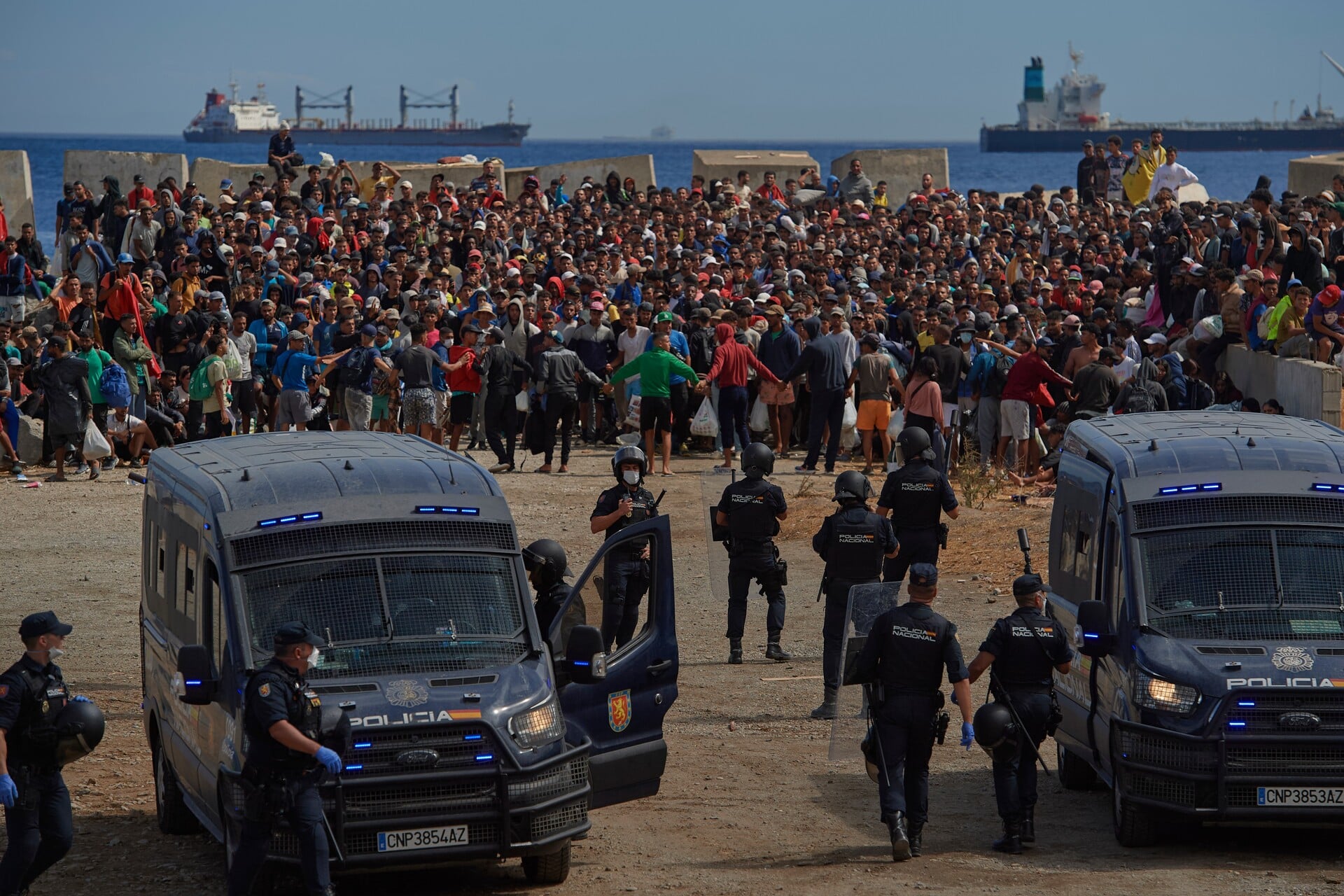
For many young Moroccans, the aspirations they once tried to pursue through civic engagement are more likely to be achieved elsewhere.
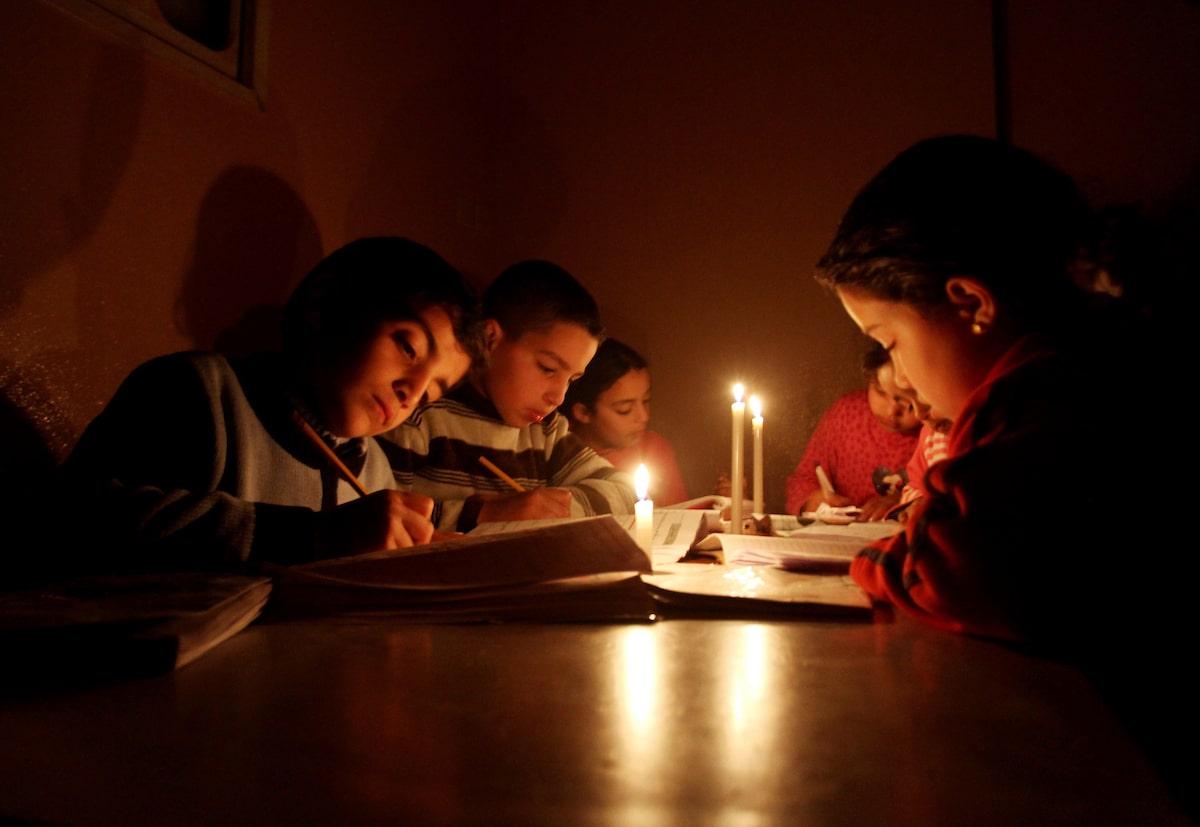
Con el acceso a la red eléctrica cortado, la escasez suministros para generar energía, para las ambulancias y para las bombas de agua empuja al sector sanitario de la Franja al colapso.
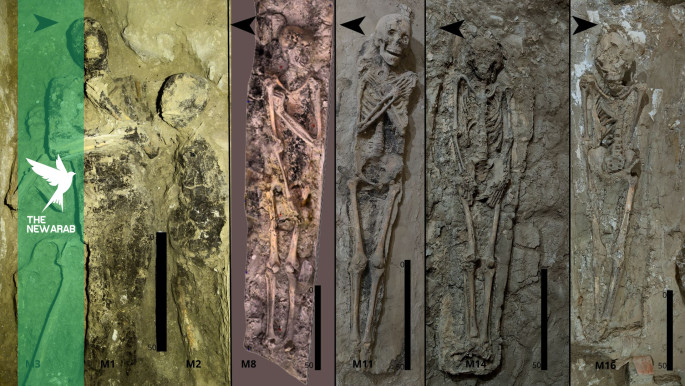
A new study of a 2,700-year-old tomb in Luxor reveals how ancient Egyptians changed burial customs, including a rare mummified dog laid over two bodies.
Uri Tzafon is laying the groundwork for an Israeli settler project in south Lebanon, using religion and security to revive an old territorial ambition.

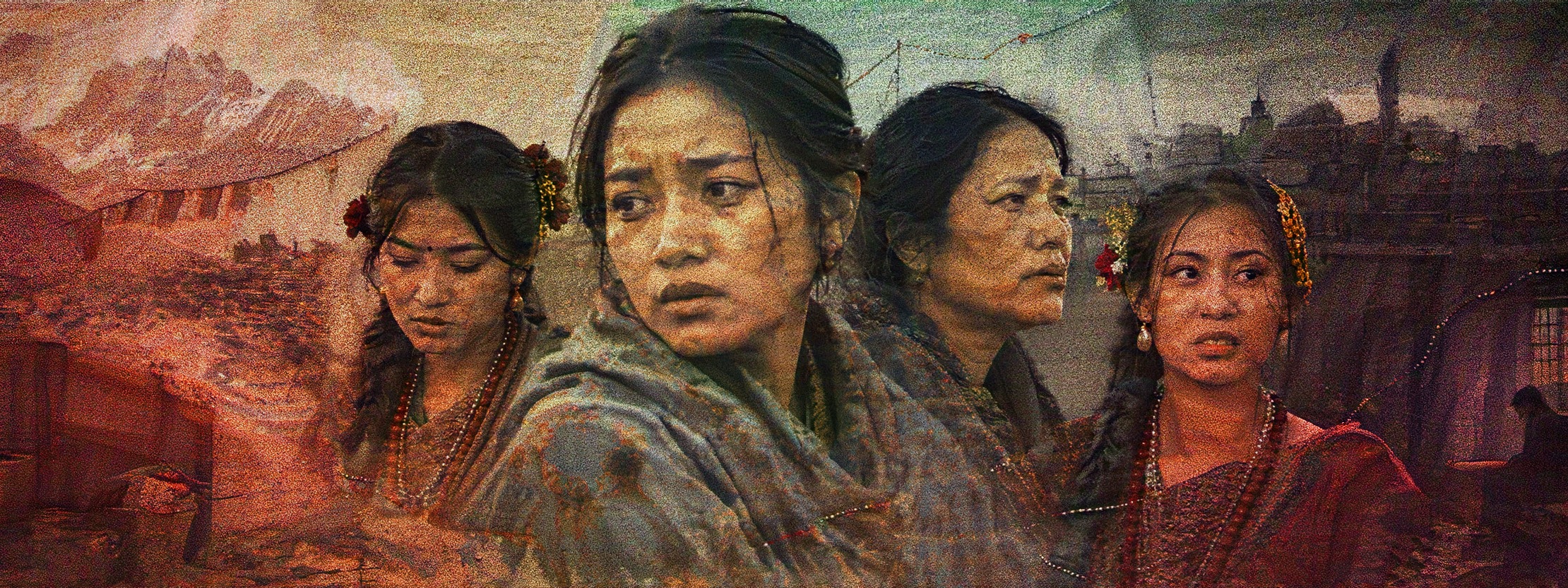
Restrictive migration policies combined with desperation and lack of diplomatic protection make for a dangerous labor cocktail for Nepali women trafficked into Iraq.
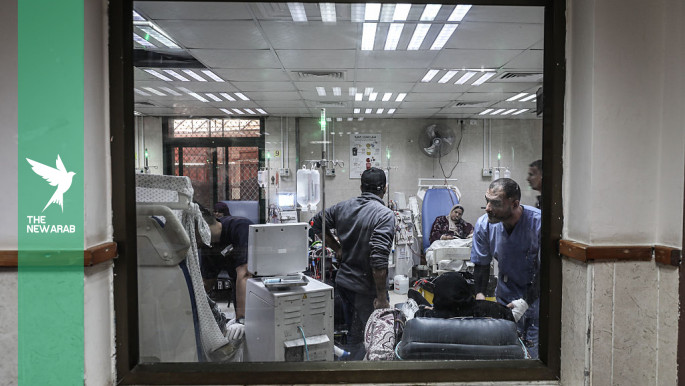
Gaza’s kidney patients face death as dialysis is cut, medicines run out, and hospitals lack supplies, leaving hundreds at risk as treatment becomes unreliable.
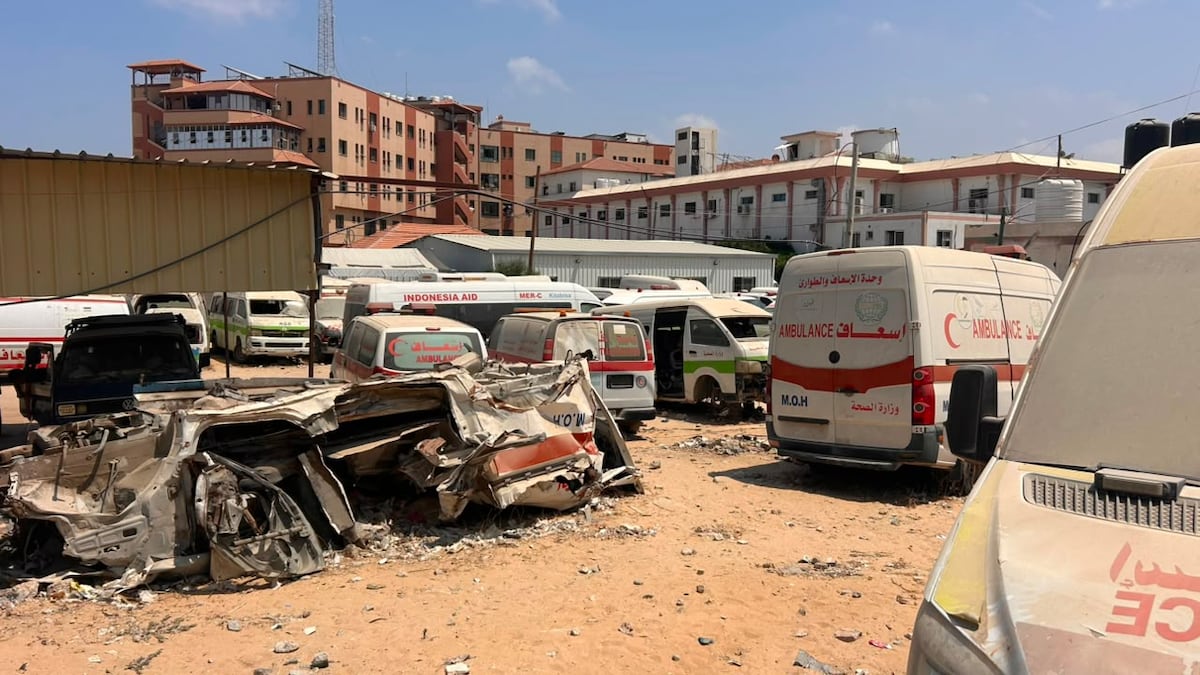
Tel Aviv has repeatedly snubbed calls for withdrawal from the devastated Palestinian enclave, laying bare the global body’s impotence.
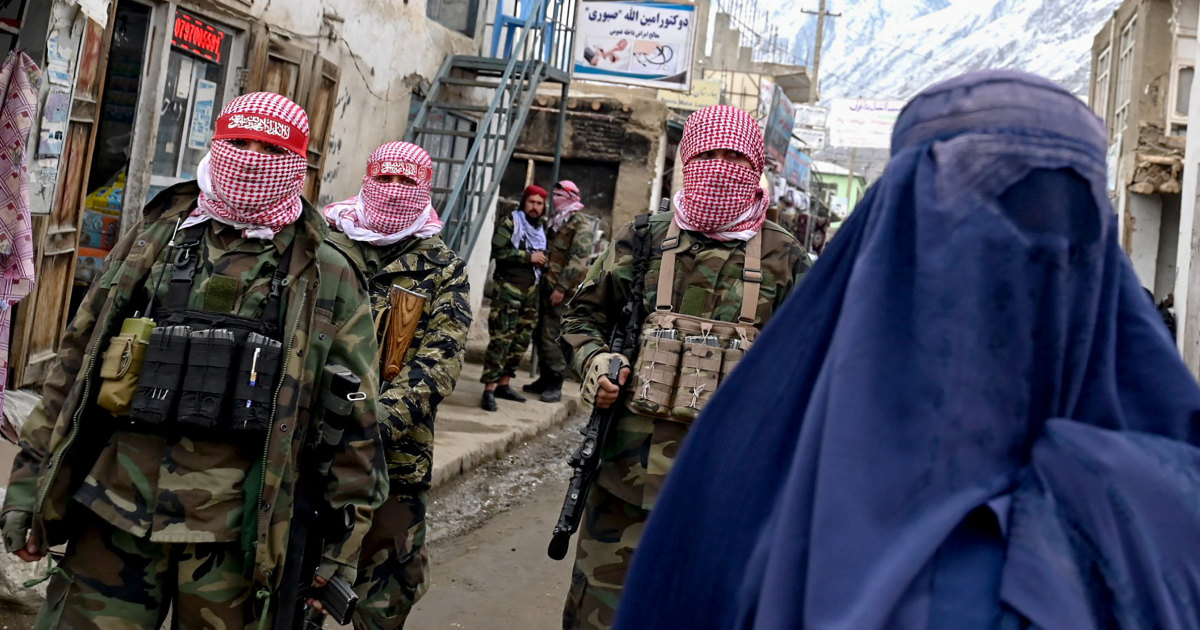
Five years after regaining power, the hard-line Islamist regime has formalized a women’s rights rollback in a sprawling penal code that experts say makes it almost impossible for women to escape abuse.
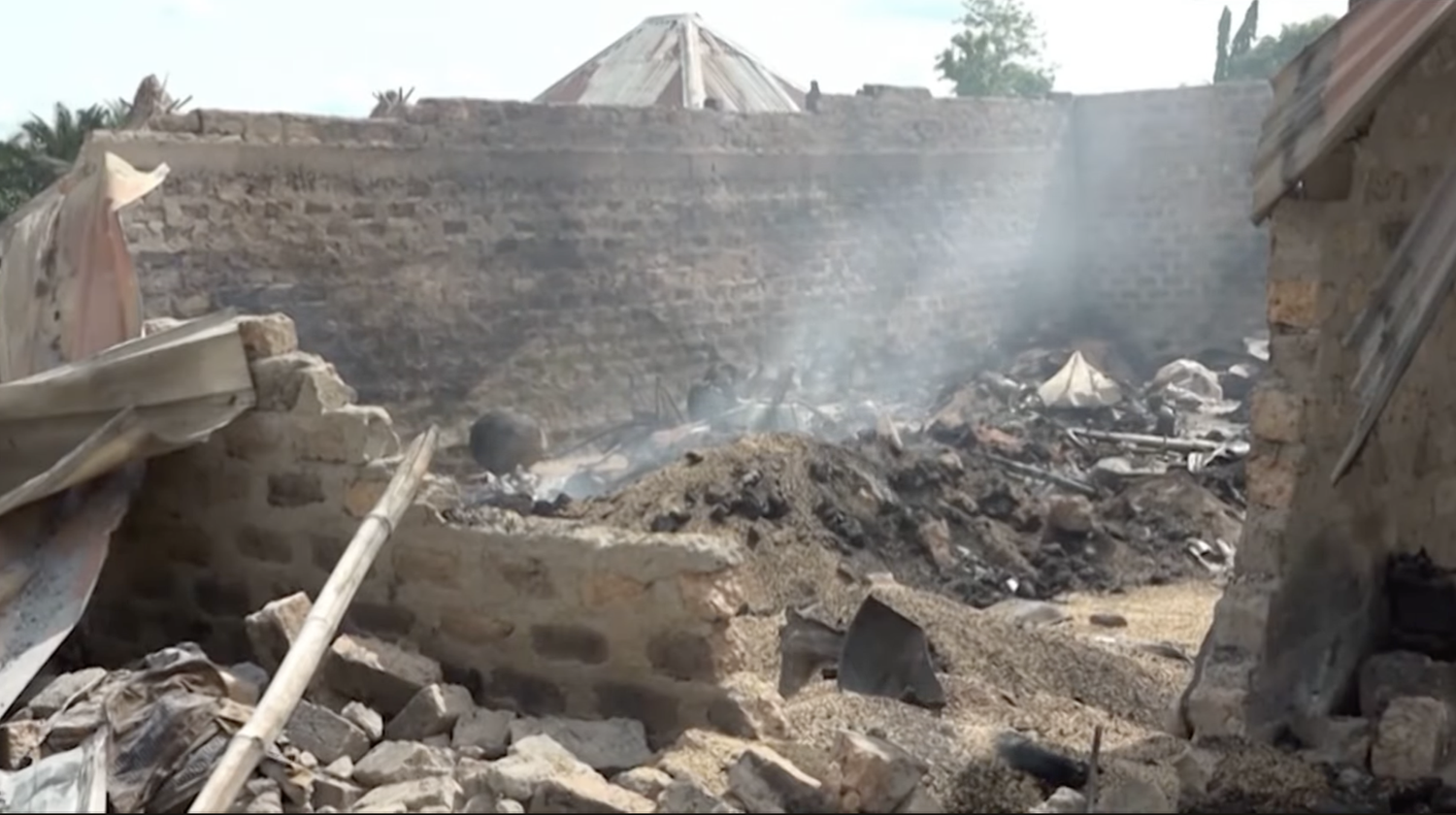
Boko Haram, an Islamic terrorist group, warps Muslim theology into an extremist ideology in order to attract young men to its ranks. Now, a unique program aims to de-radicalize former fighters through counseling and showing them how to live a peaceful Muslim life.
The Taliban’s crackdown on opium poppies has been effective, but it has left poor Afghan farmers struggling to find alternative sources of income.

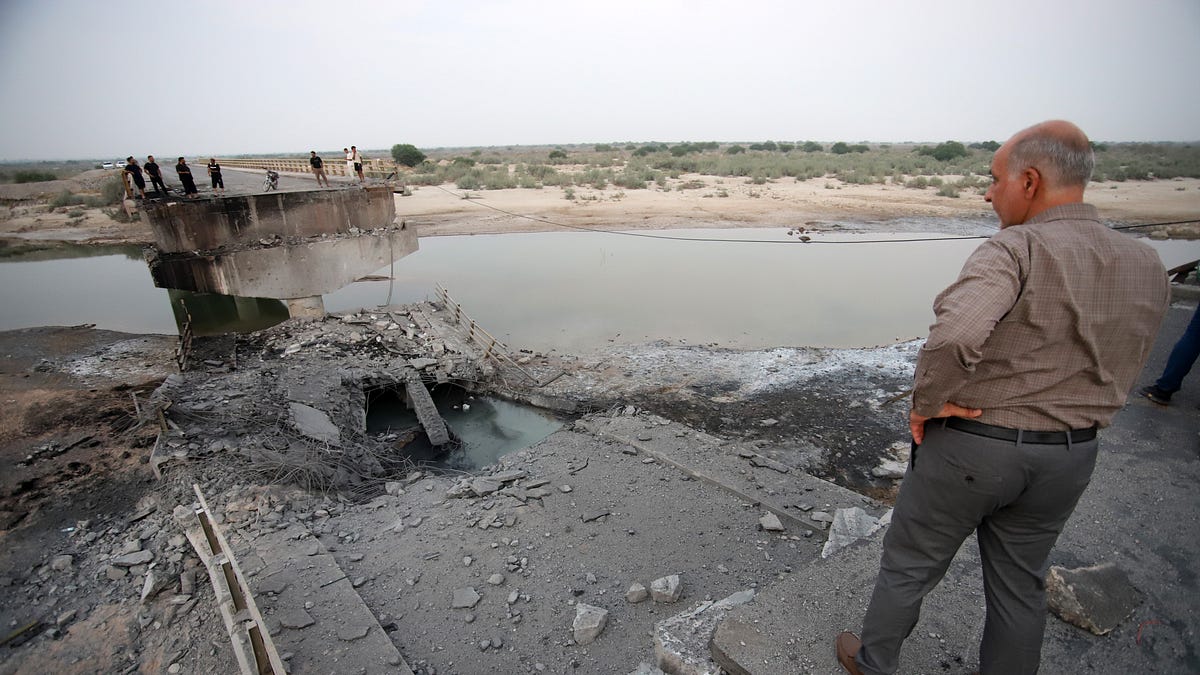
U.S. airstrikes last month in southern Iran targeted civilian infrastructure, including fishing ports, bridges, telecommunications networks, power plants, hospitals, and transportation corridors.
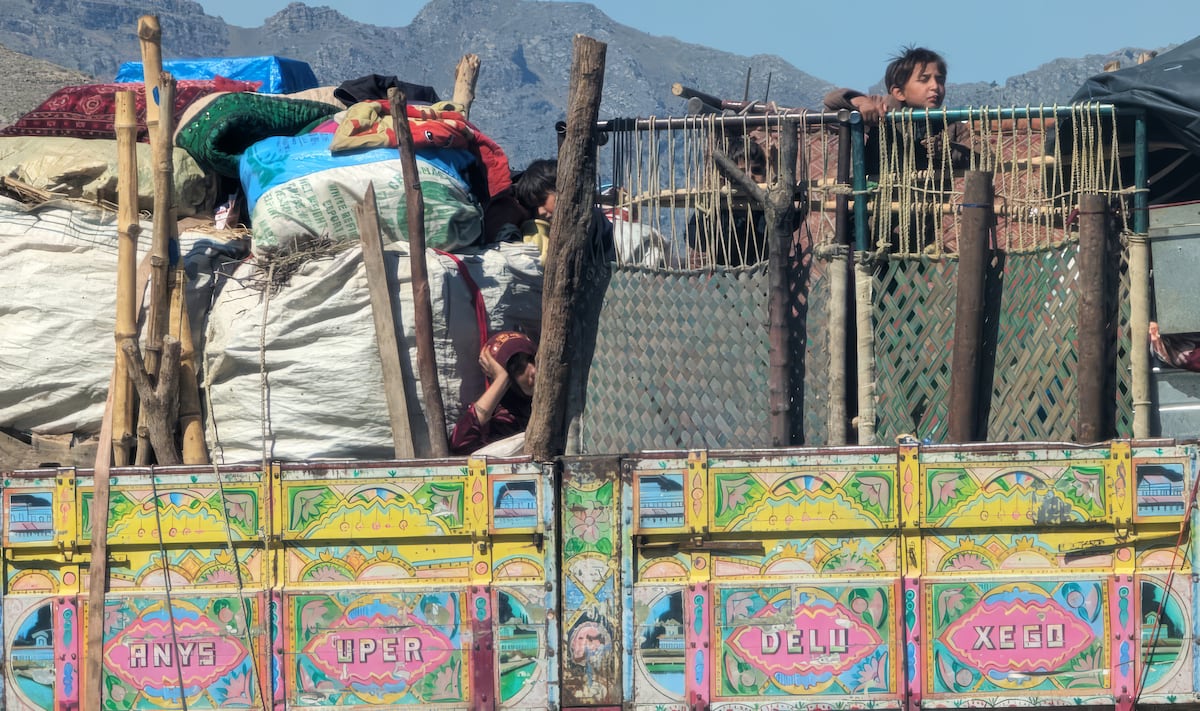
Más de 2,6 millones de ciudadanos de Afganistán han salido del país vecino desde 2023 como consecuencia de un estricto plan de repatriación aplicado por el Gobierno de Islamabad.