Recent published stories from all Egab journalists
How One Yemeni Woman Uses Cigarette Butts to Empower Hundreds of Women

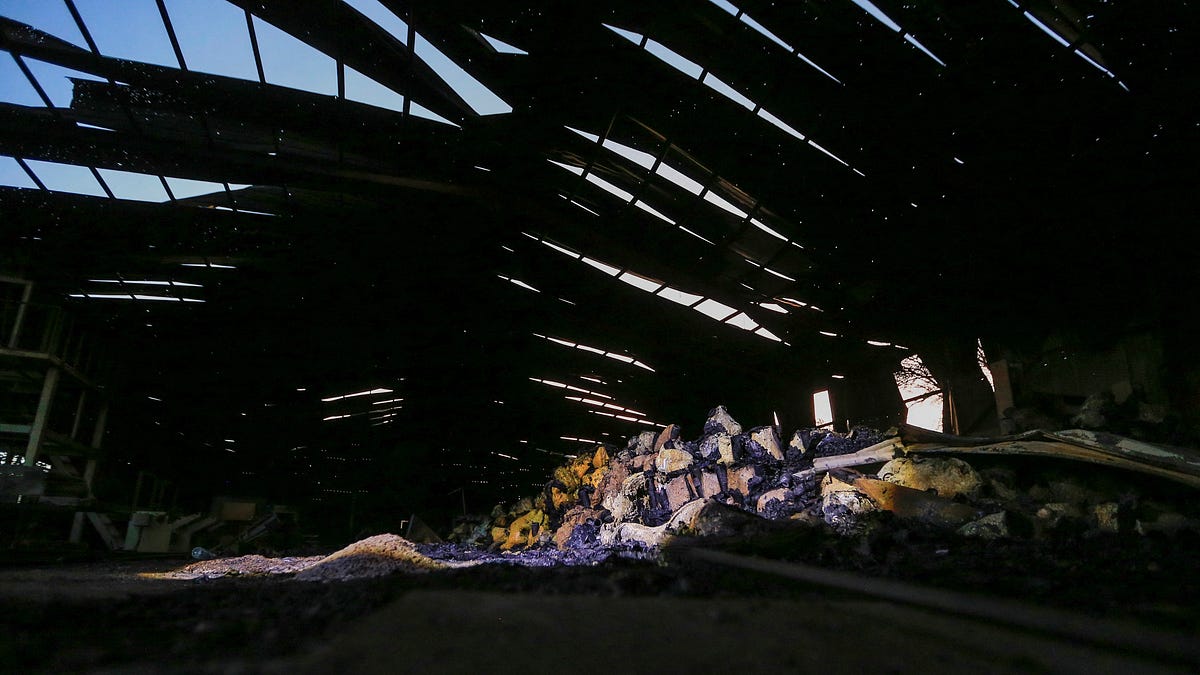
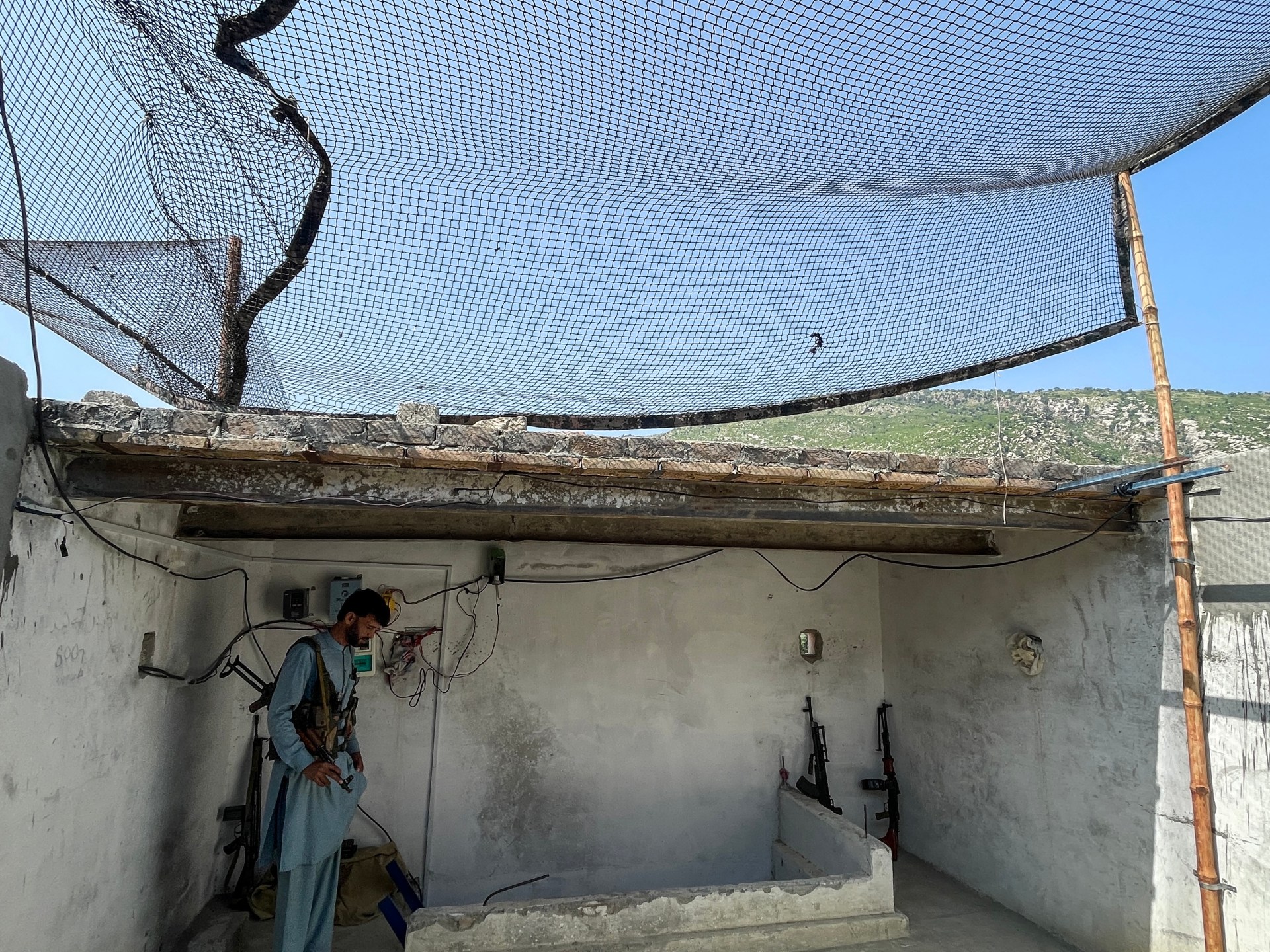
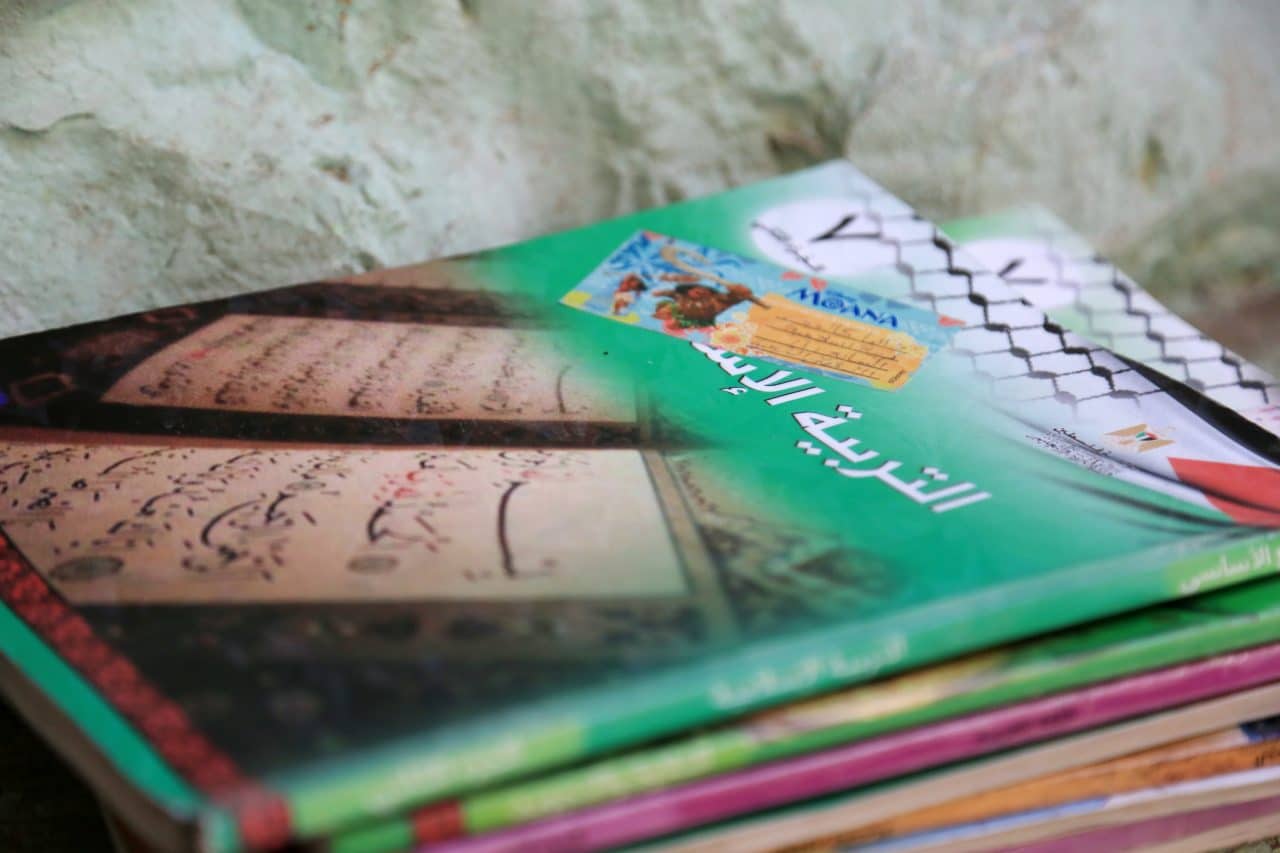
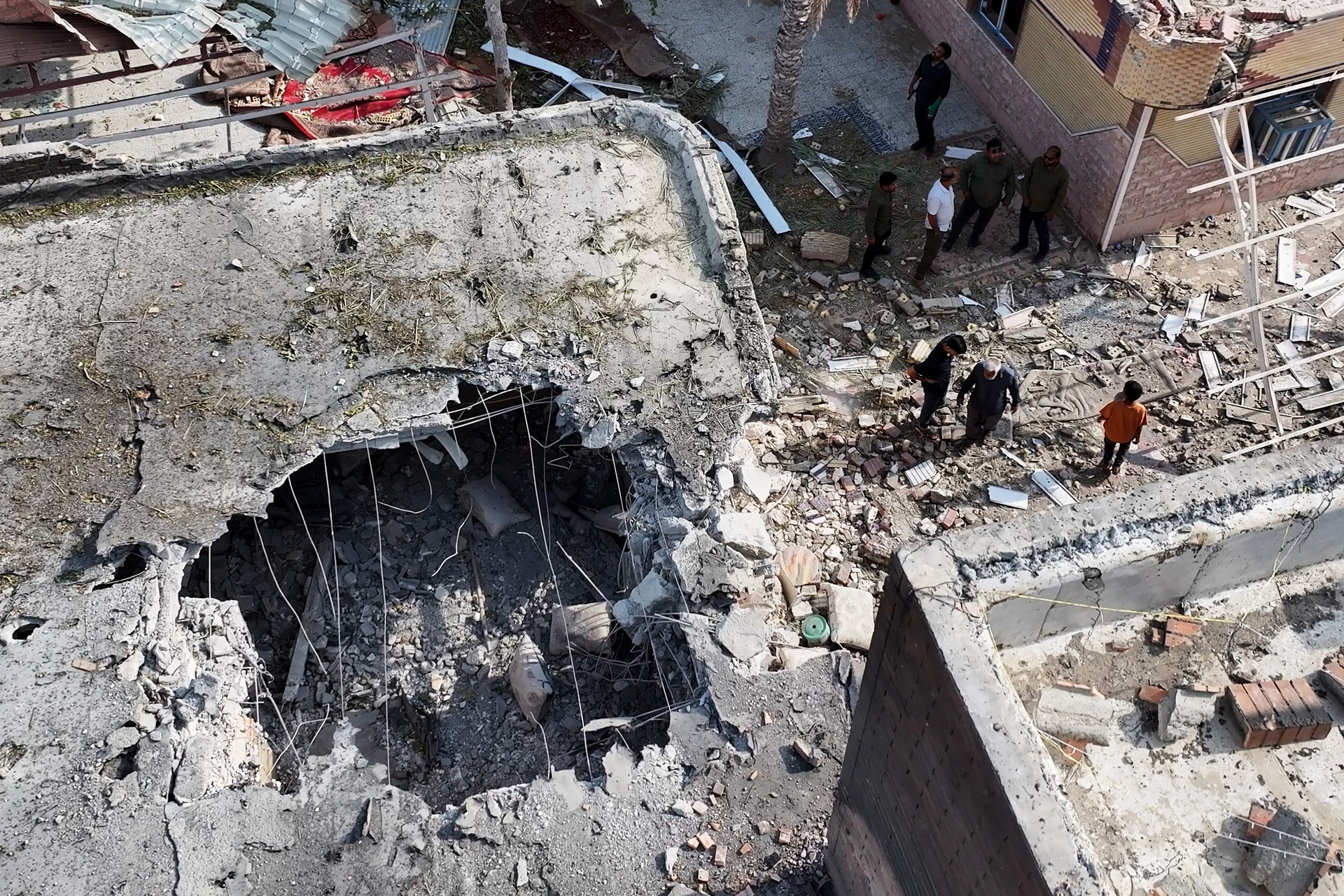
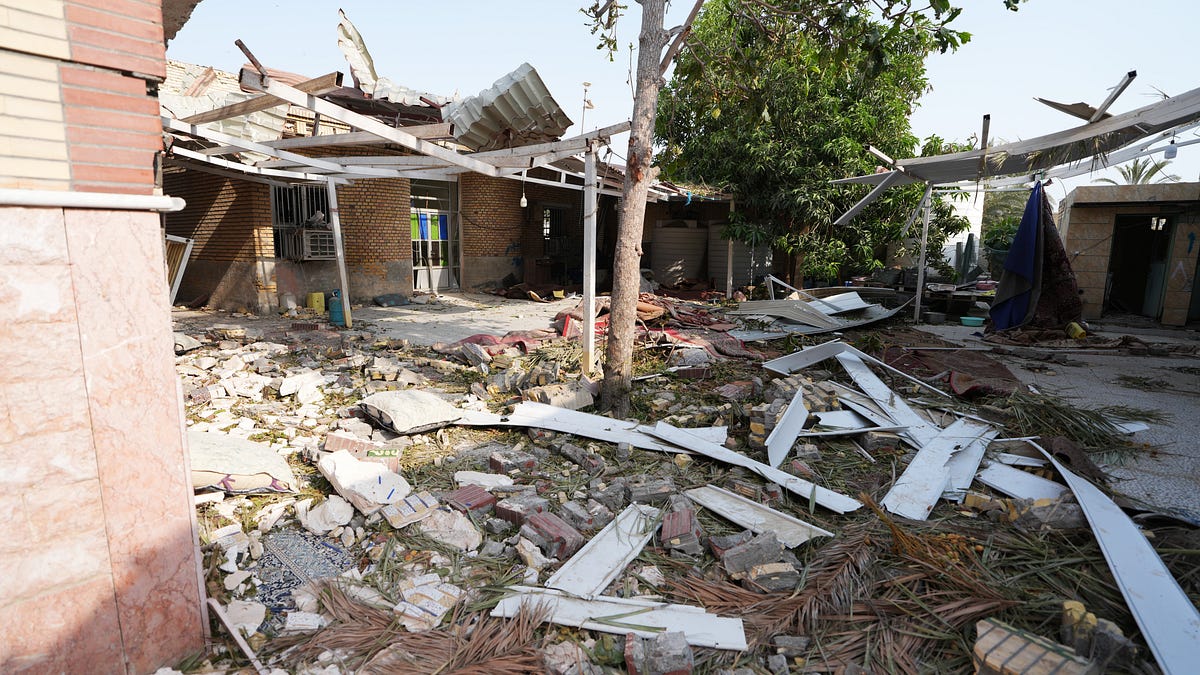
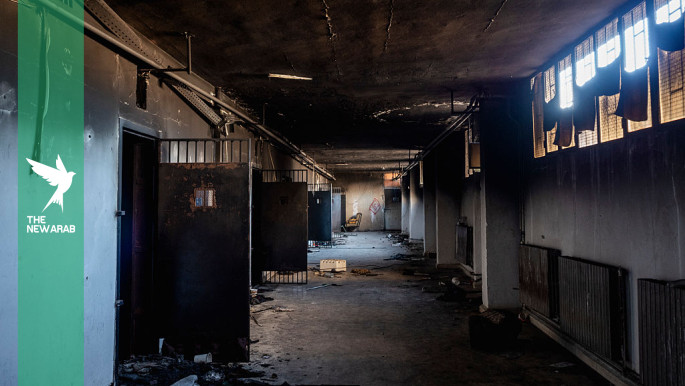
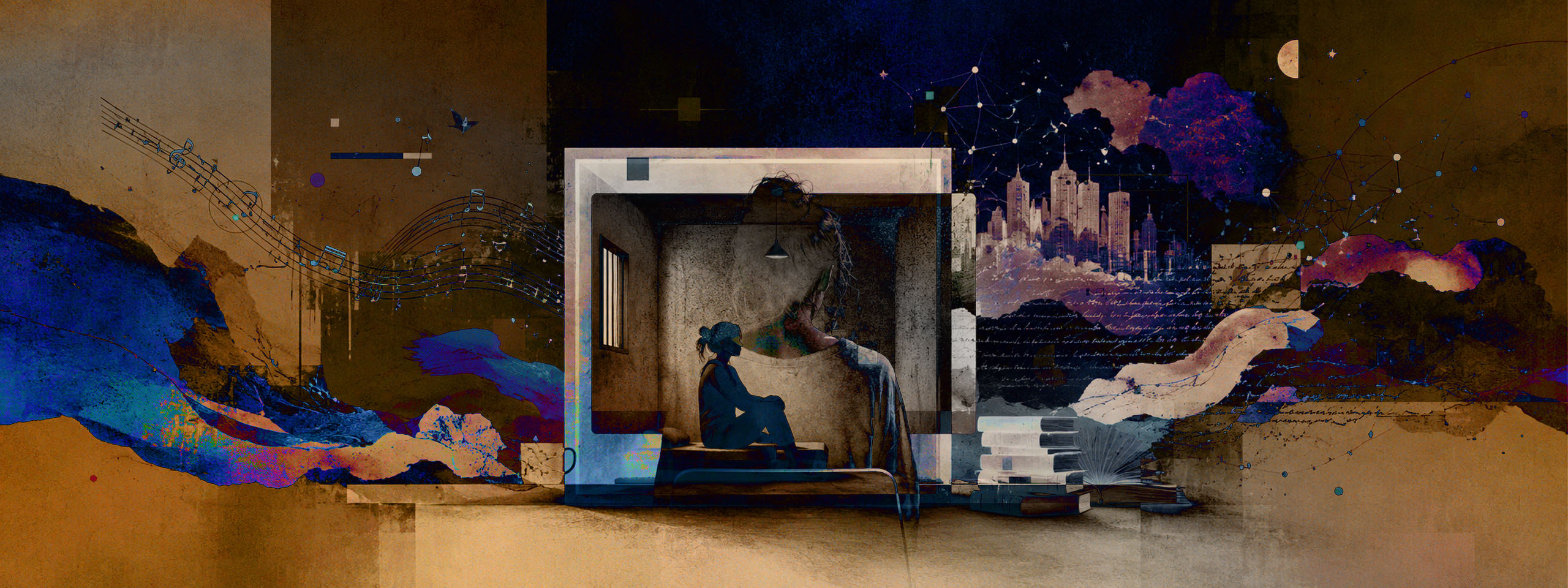
A US-Israeli strike destroyed Zanjan’s Seyyed al-Shohada Library, erasing thousands of rare Shia manuscripts and depriving local families of an affordable place to read and learn.
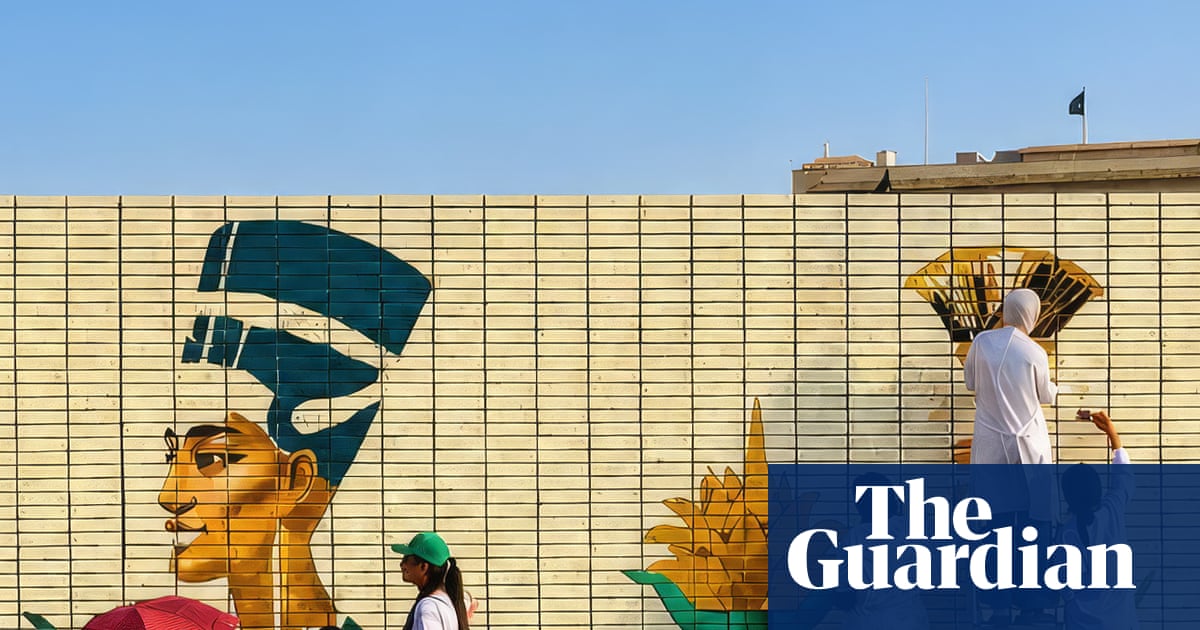
Egypt’s campaign to recover the Rosetta Stone exposes the limits of restitution law. Experts argue that international coalitions and sustained political pressure are needed to bring back artefacts taken before 1970.
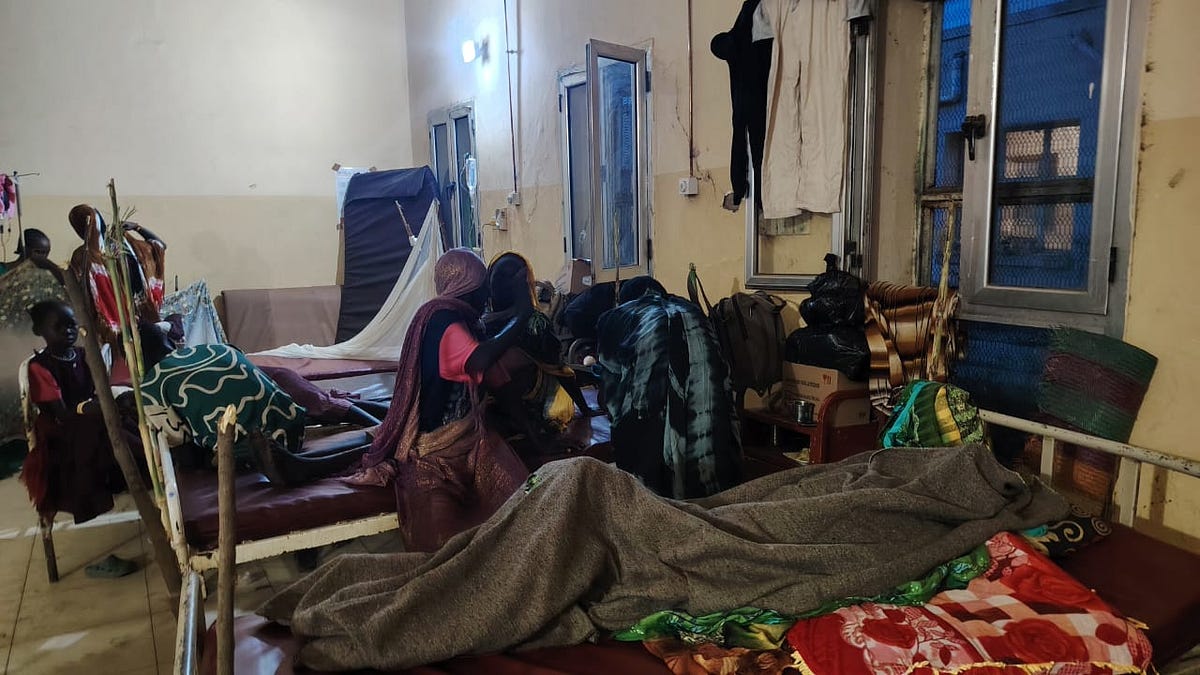
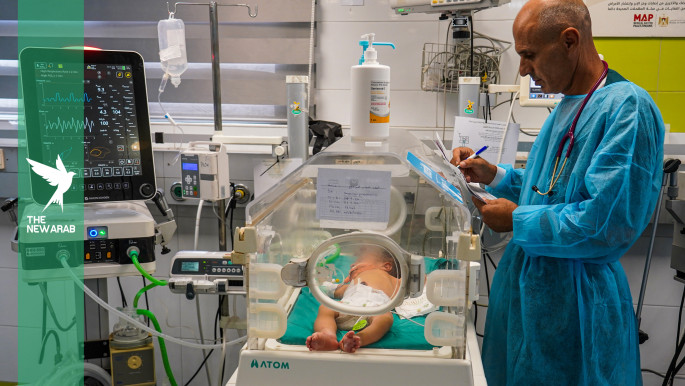
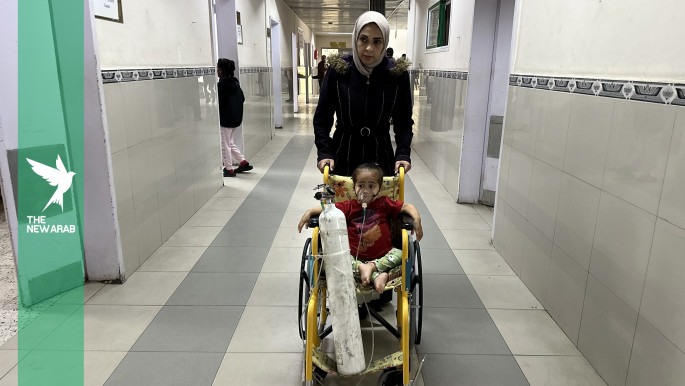
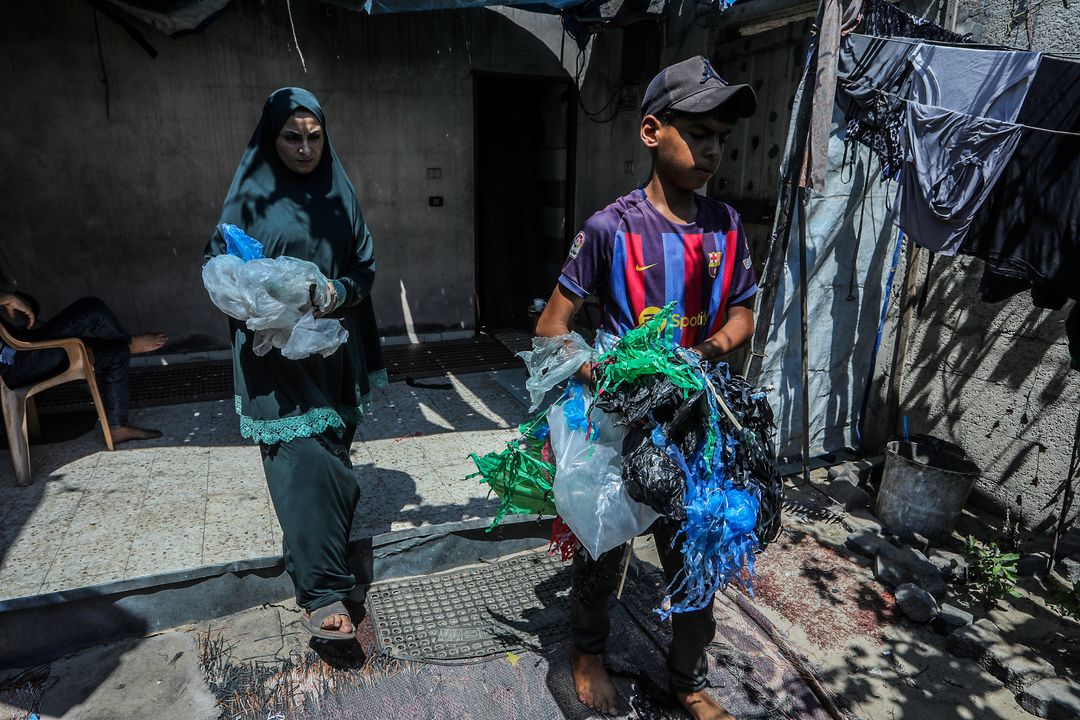
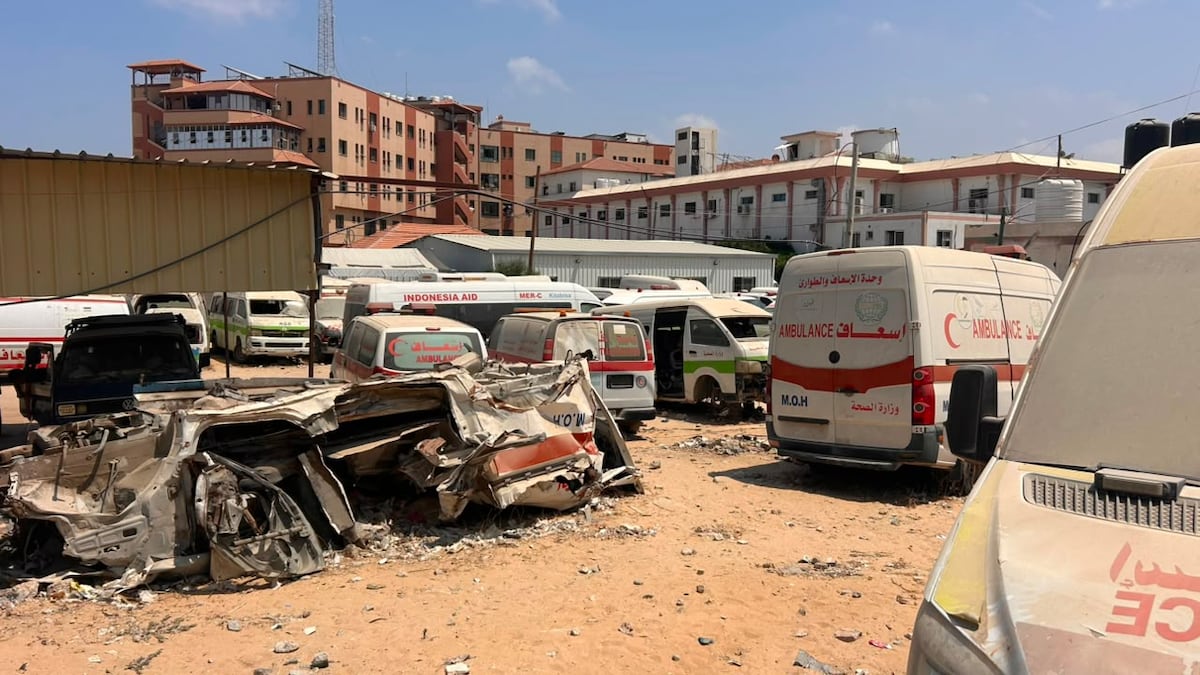
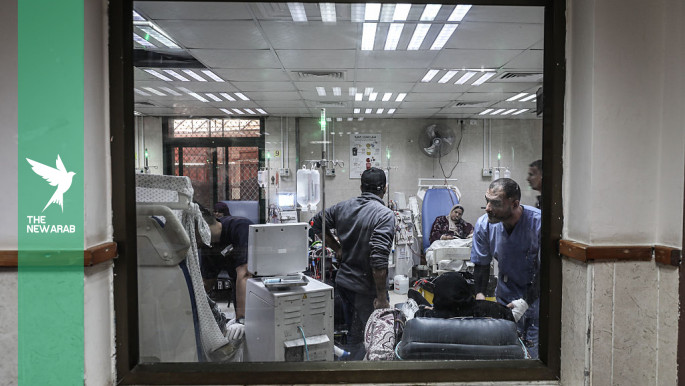
Nasser Hospital’s staff describe severe shortages, damaged equipment and personal trauma as they keep southern Gaza’s last major medical facility operating despite siege, blockade and fading international attention.
Lebanese digital artist Rafik El Hariri uses everyday scenes, shared memories and gentle surrealism to offer his followers comfort during war and repeated crises.
Young people in besieged Taiz have built a weekly film club from a projector, an 80-inch screen and a small room, reviving cinema and creating a rare shared cultural space.
Argentine journalist Ramiro Giganti describes alleged torture after Israel intercepted a Gaza-bound aid flotilla, while activists say President Javier Milei’s alliance with Israel has left them without protection.
Israel is repackaging Gaza’s mass displacement as ‘free movement’ to seek foreign backing. Analysts examine how the new language preserves the underlying plan and its legal implications.
Ansam Al-Kitaa returns to driving lessons in a city transformed by war, where a Palestinian driving school keeps its four remaining cars moving through salvage, improvisation and determination.
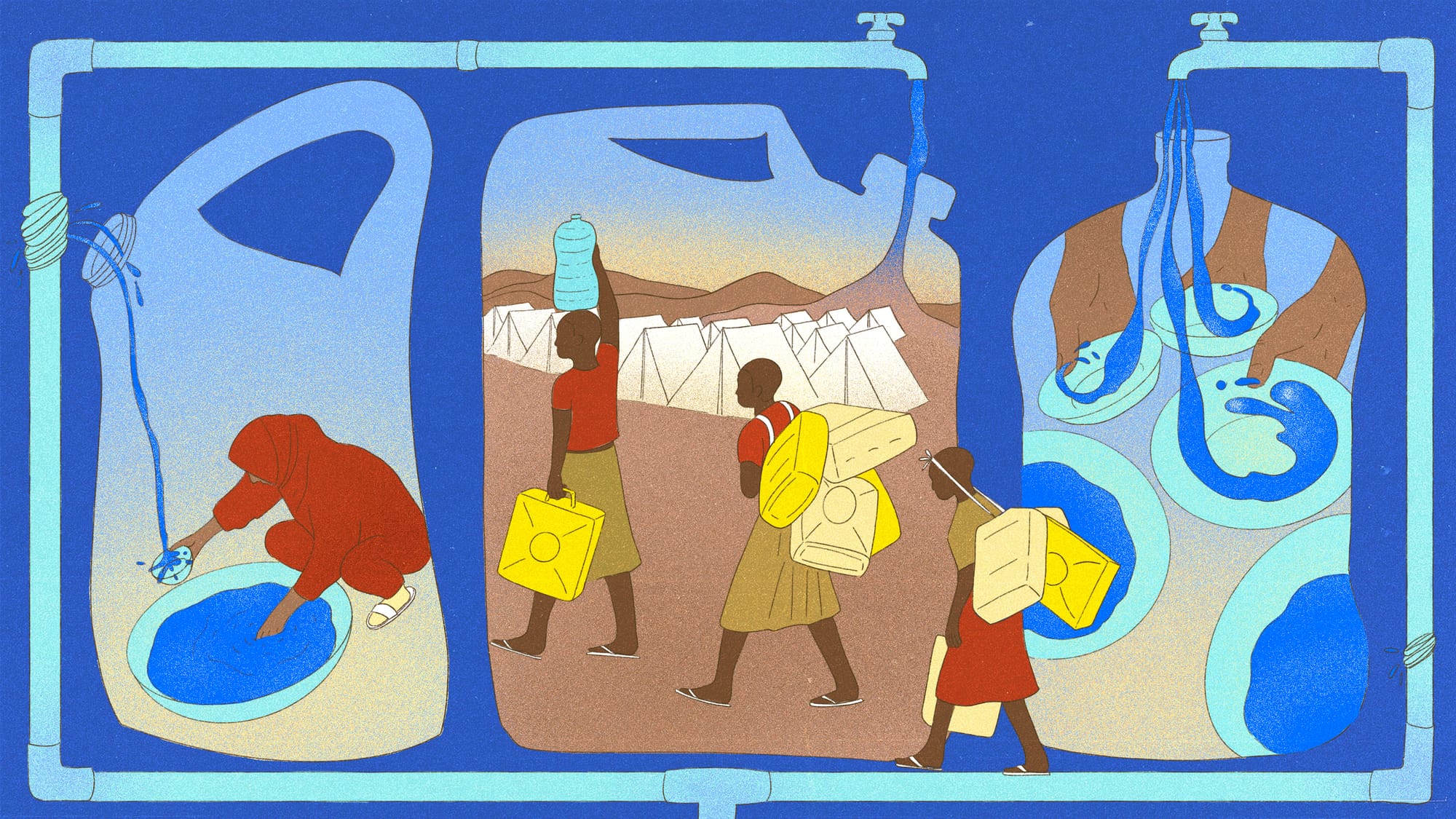
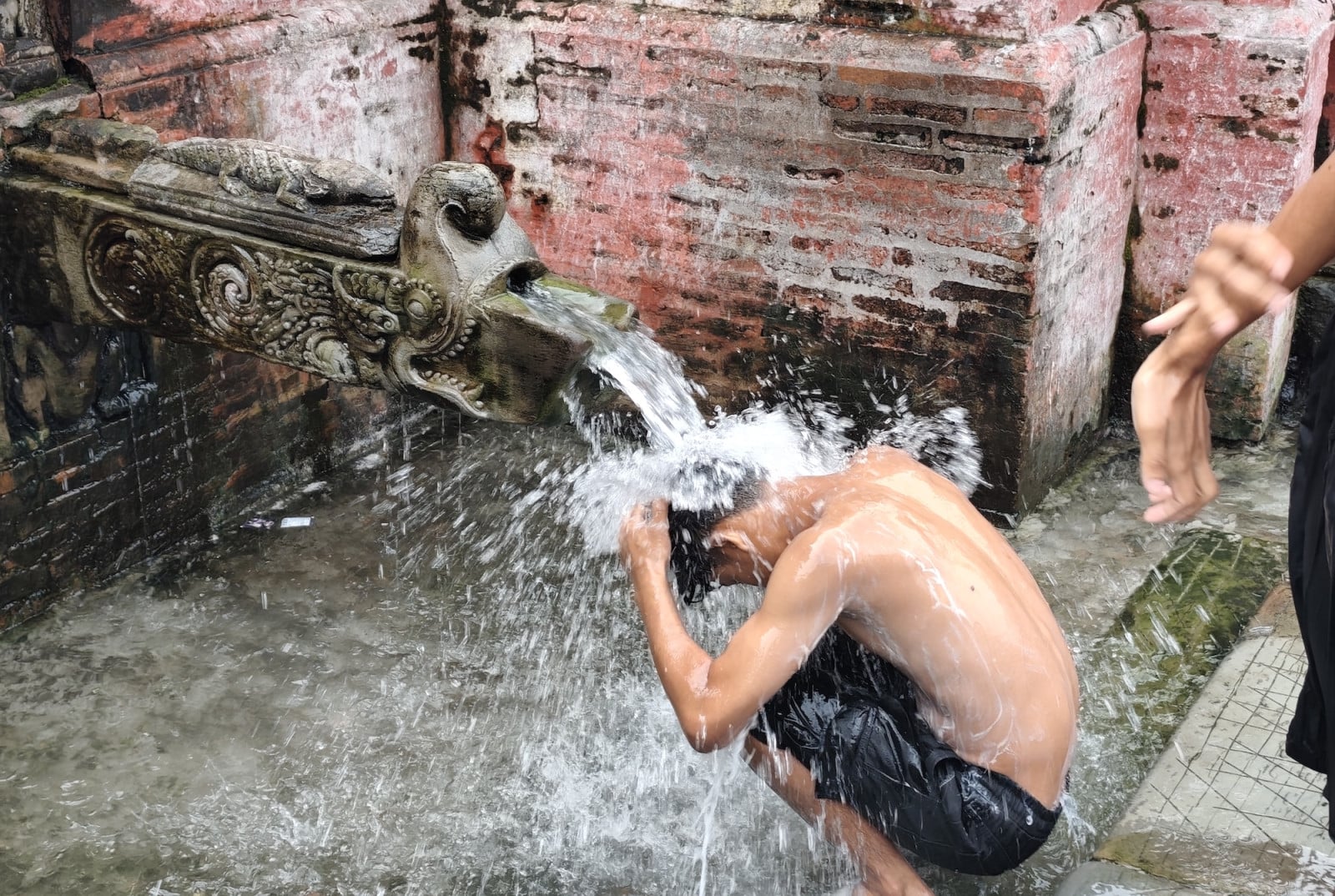
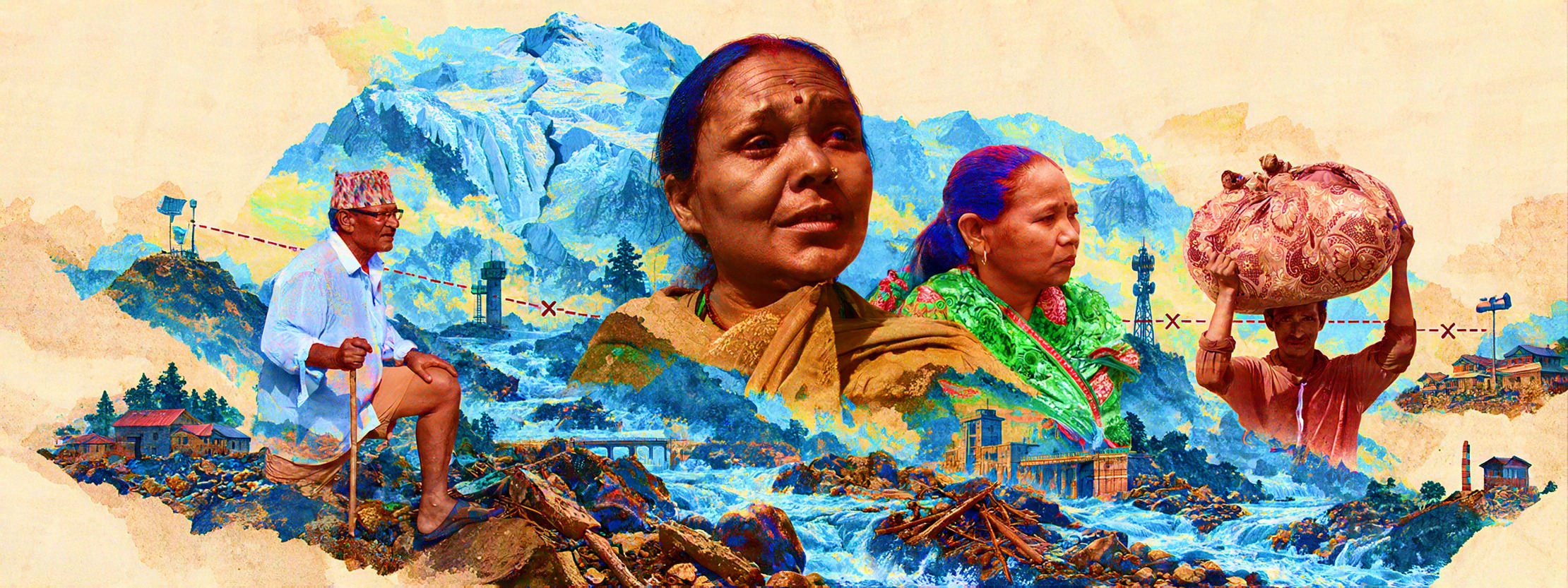
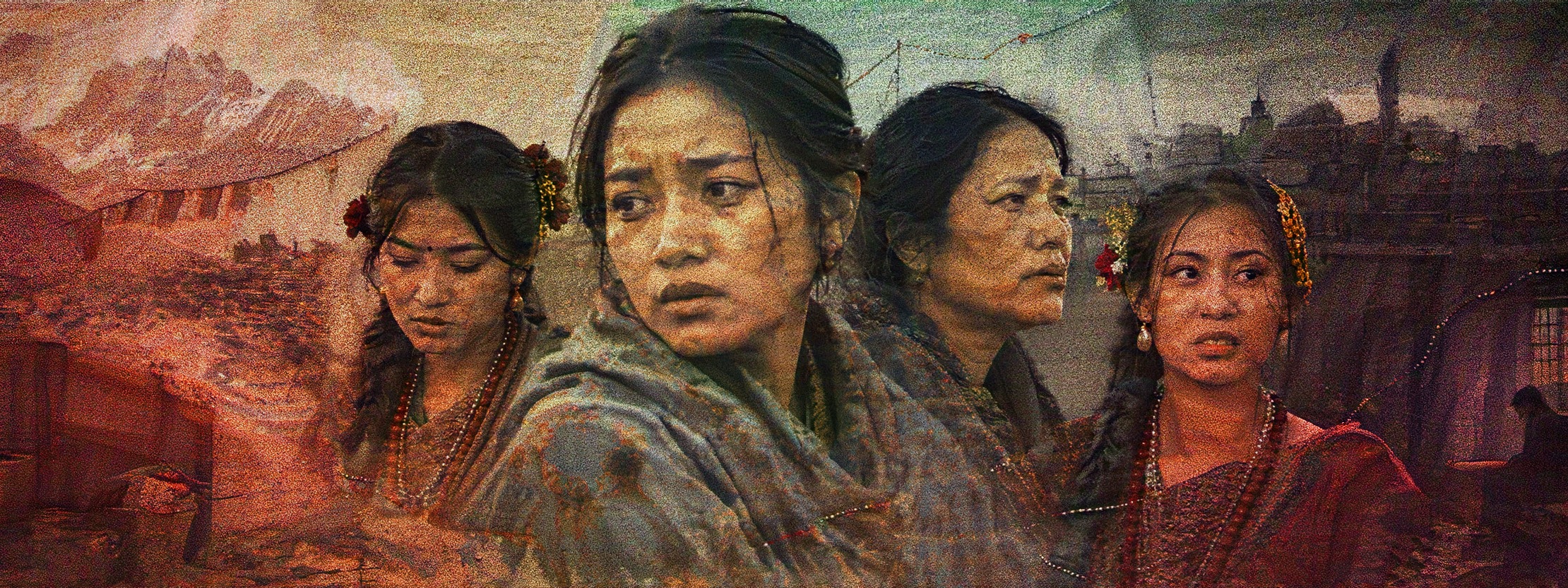
As floods and contamination undermine Kathmandu’s water supply, residents are restoring traditional stone spouts and the networks of ponds and aquifers that once sustained the valley.
Five young Iranians describe cancelled weddings, lost jobs and shrinking ambitions as war, inflation and uncertainty leave them unable to plan their futures.
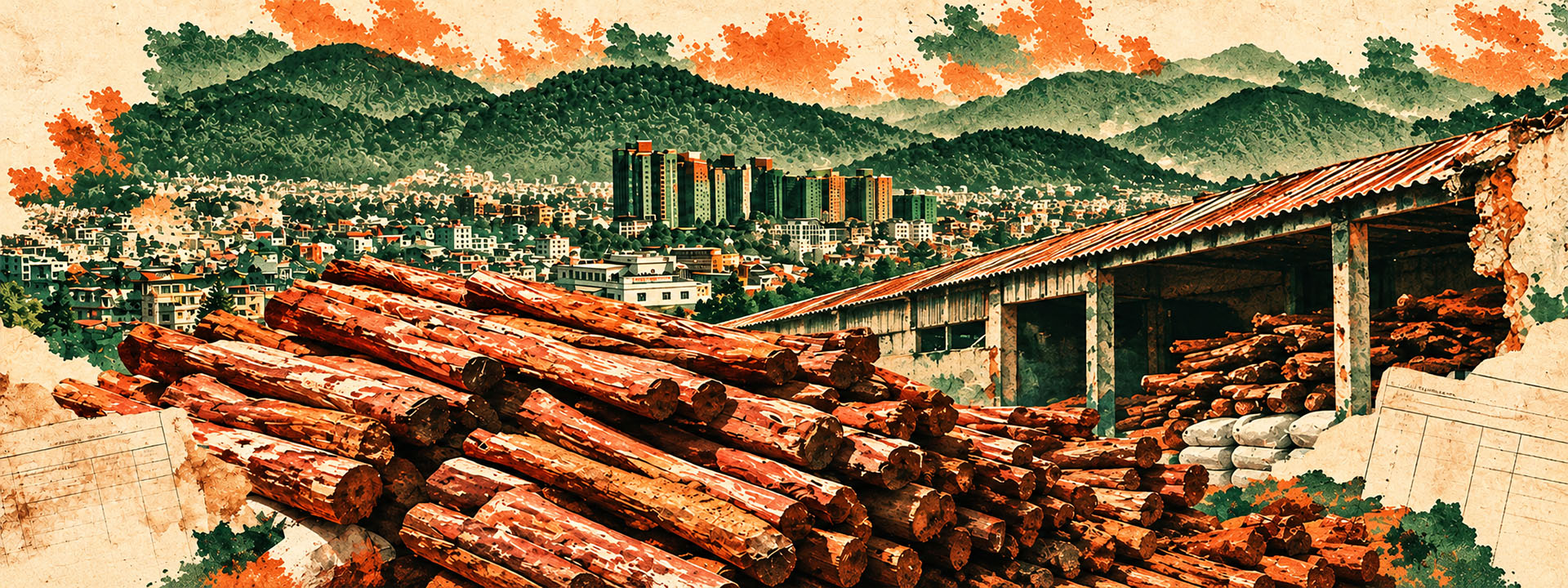
Nepal is spending money and manpower guarding hundreds of tons of seized red sandalwood while waiting for India to collect it, as diplomatic caution and political turnover stall a resolution.
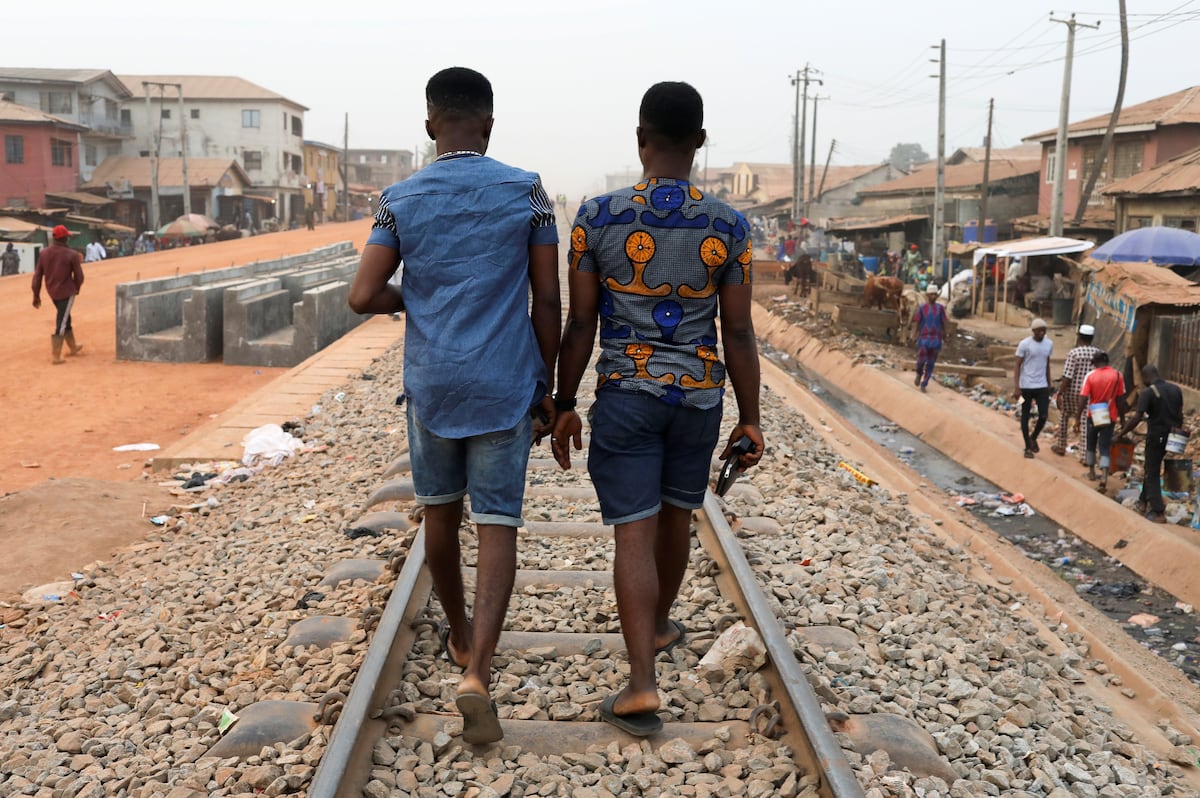
An investigation in Nigeria’s Ibaji district finds that data mismatches and unreliable phone access excluded some of the poorest residents from GiveDirectly’s anticipatory flood aid, while others outside the target group received payments.
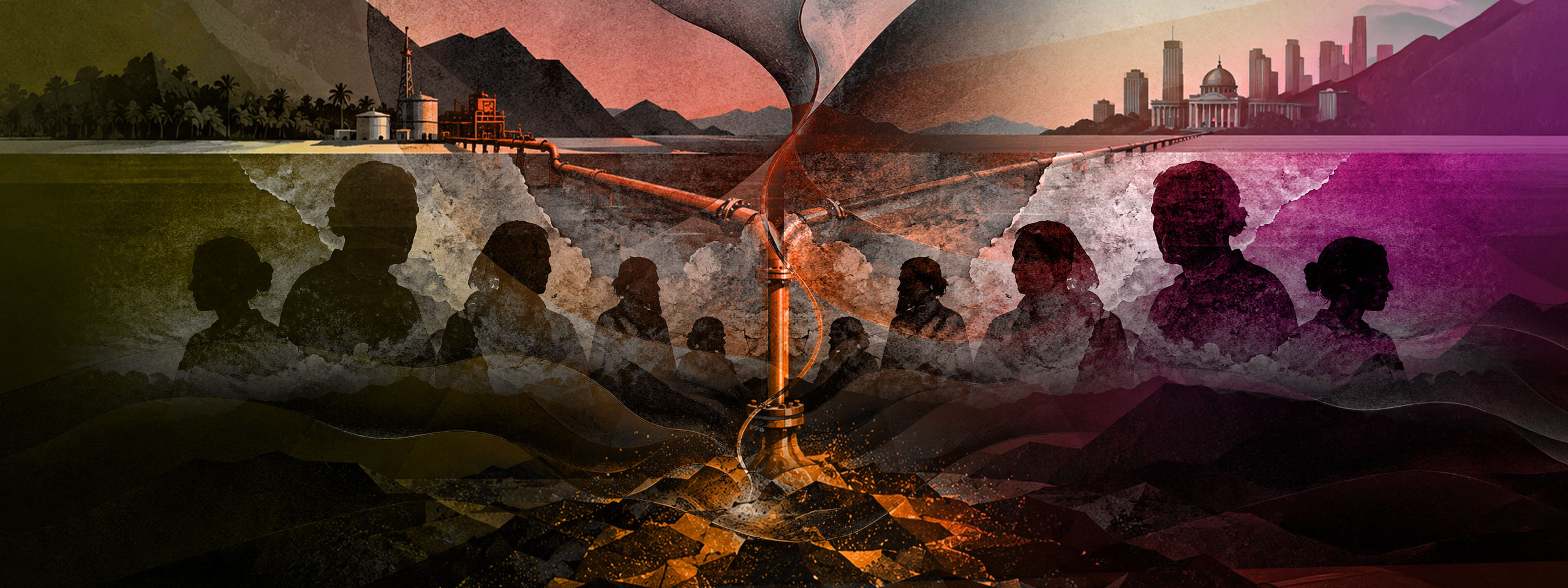
A major gas discovery off Indonesia’s Aceh province is reopening disputes over revenue, jobs and the promises of the 2005 peace agreement as local leaders push for onshore processing.
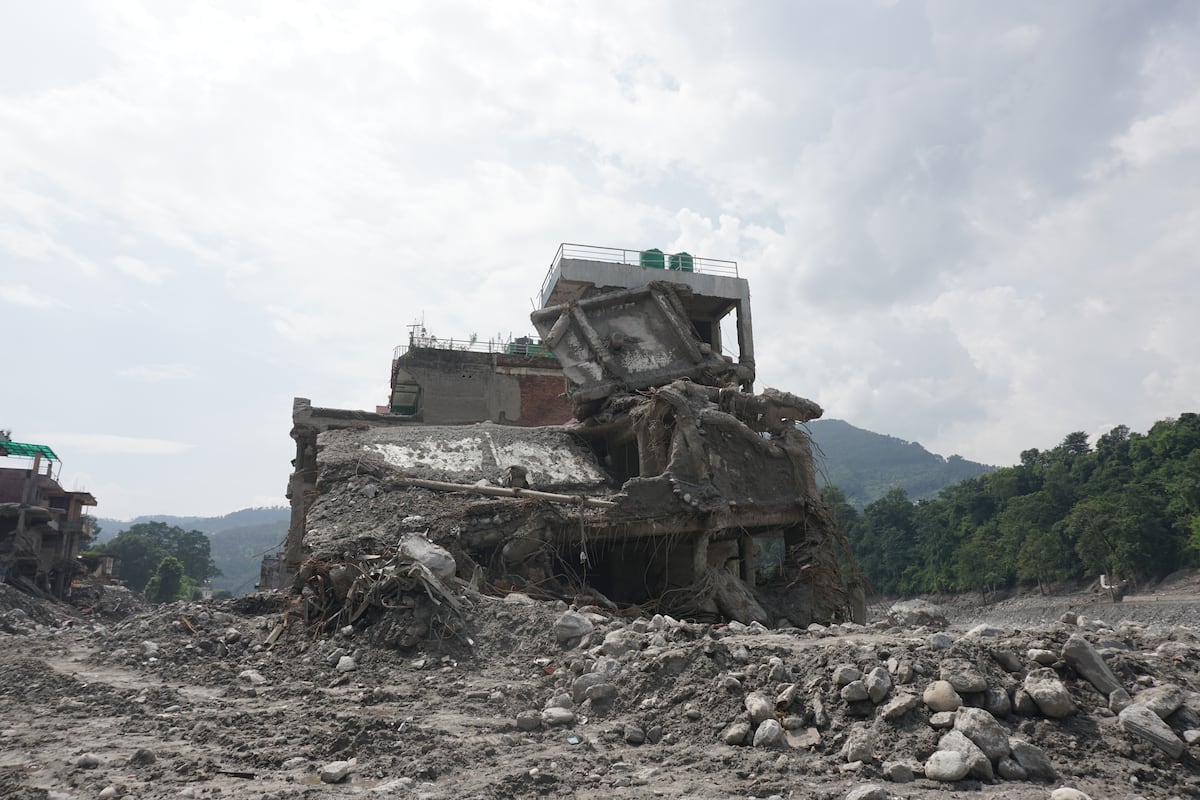
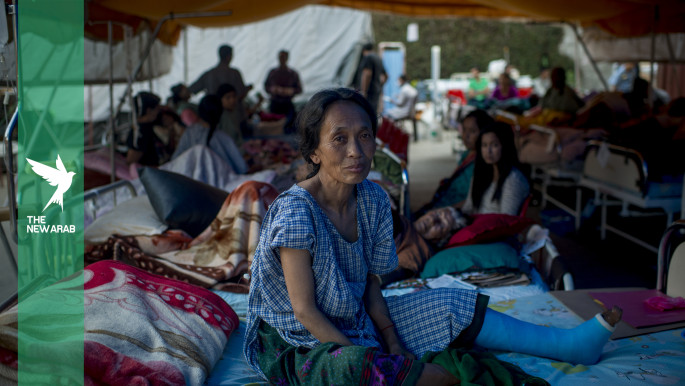
A devastating Himalayan glacial flood has left Nepal confronting mass casualties, missing residents and ruined communities, testing its new government’s disaster response and demands for climate justice.
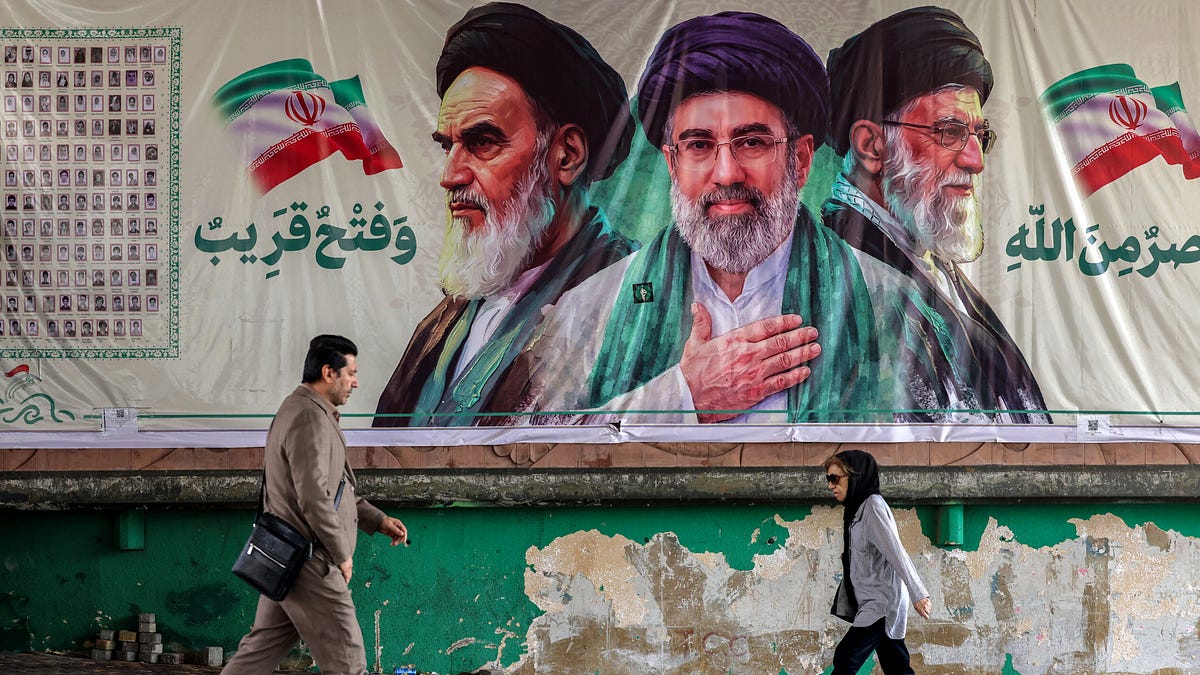
Tehran’s Iranshahr and Sanaei streets offer rare space for cafes, cultural life and women without hijab. Residents keep returning despite closures, intimidation and efforts to stop people gathering.
Reporting from Taiz, Osama Farhan describes renewed shelling, the fear shared with his pregnant wife and the daily routines that continue as Yemen’s war closes in again.
As residents return to war-scarred Khartoum, volunteers use handcarts and limited equipment to clear dangerous ordnance and debris, filling gaps left by the state and helping make neighbourhoods liveable again.
Former presidential adviser Alexis Mohamed breaks with Ismaïl Omar Guelleh and challenges his bid for a sixth term, exposing rare dissent within Djibouti’s ruling circle.
Rwanda’s digital welfare registry was designed to make aid allocation fairer. Vulnerable households instead describe losing food support and health coverage without clear explanations or a workable route to appeal.
After 11 years in Boko Haram captivity, Chibok survivor Rahilla Iliya and her children face stigma, insecure legal status and limited support as refugees in Niger.
Seif al-Islam al-Gaddafi’s killing and funeral reopen questions about Libya’s political future and the influence of the former ruling family after years of division.
A journalist in Tehran recounts the risks of reporting during the US-Israeli war and an internet blackout, when the search for a brief connection becomes a matter of personal survival.
Soaring livestock prices are leading Egyptian families to fund Eid sacrifices in Tanzania, where cheaper animals and charity networks connect religious practice with food distribution across borders.
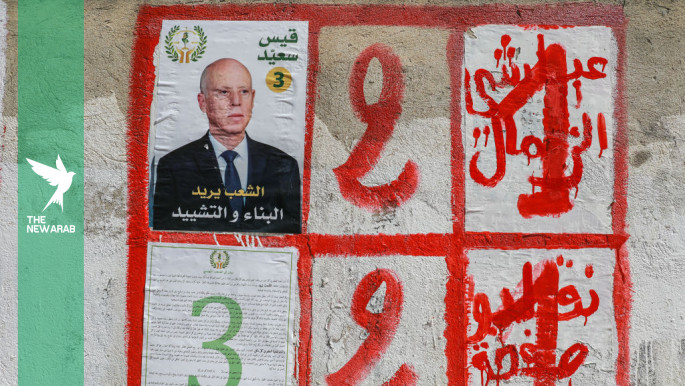
Deadly heat and water and power outages are drawing more Tunisians into protests against Kais Saied, as deteriorating living standards and repression fuel anger at his rule.
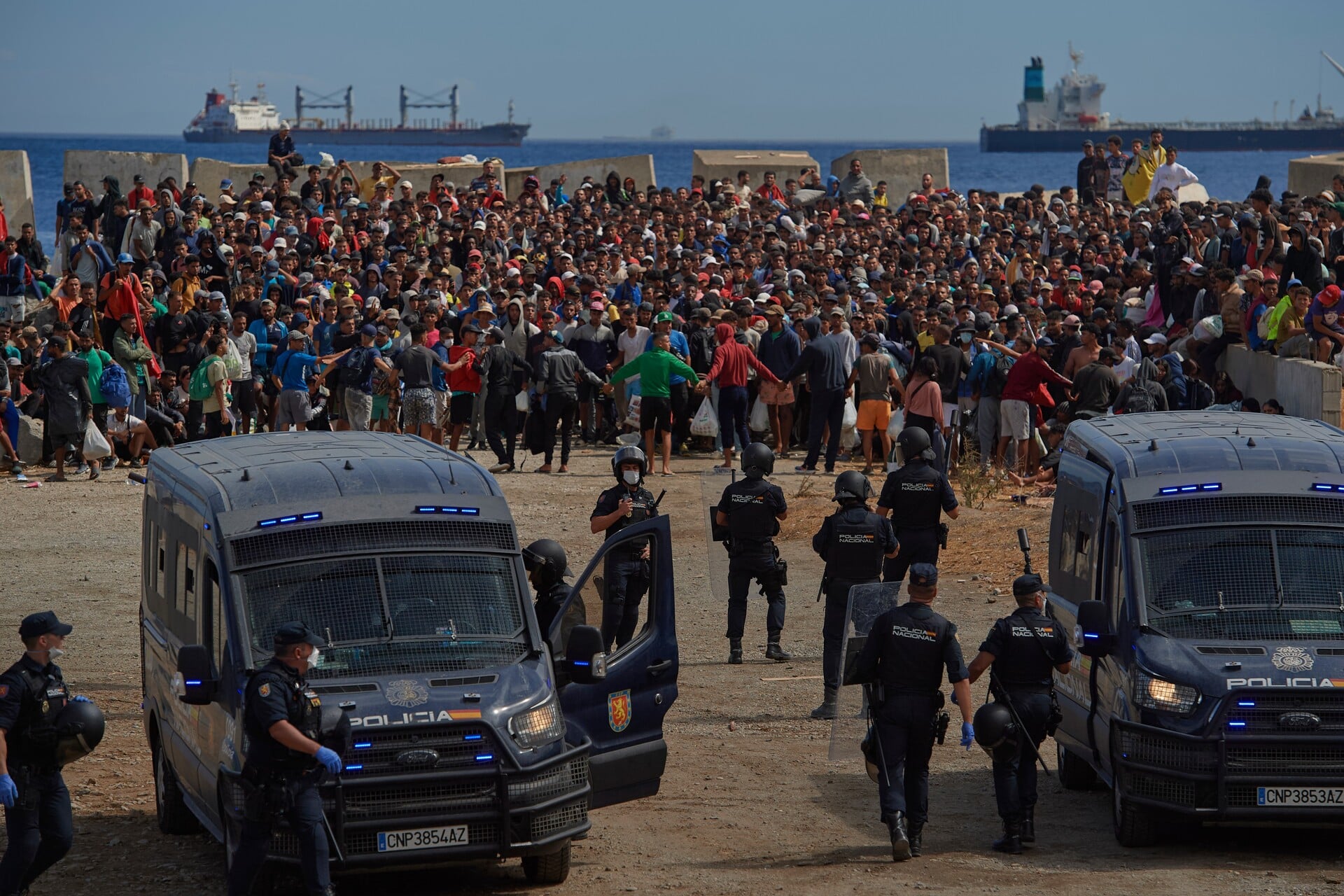
The mass crossing from Morocco into Ceuta exposes more than a migration emergency: colonial history, territorial disputes, regional rivalries and misinformation all shape the crisis and its political fallout.
Kenya’s role in the US-led war on terror has reshaped daily life through expanded security powers, intrusive searches and persistent ethnic and religious profiling of Somalis and Muslims.
Post-9/11 financial restrictions disrupted northern Nigeria’s trusted hawala networks, damaging remittances and cross-border trade while helping push some financial and militant networks underground.
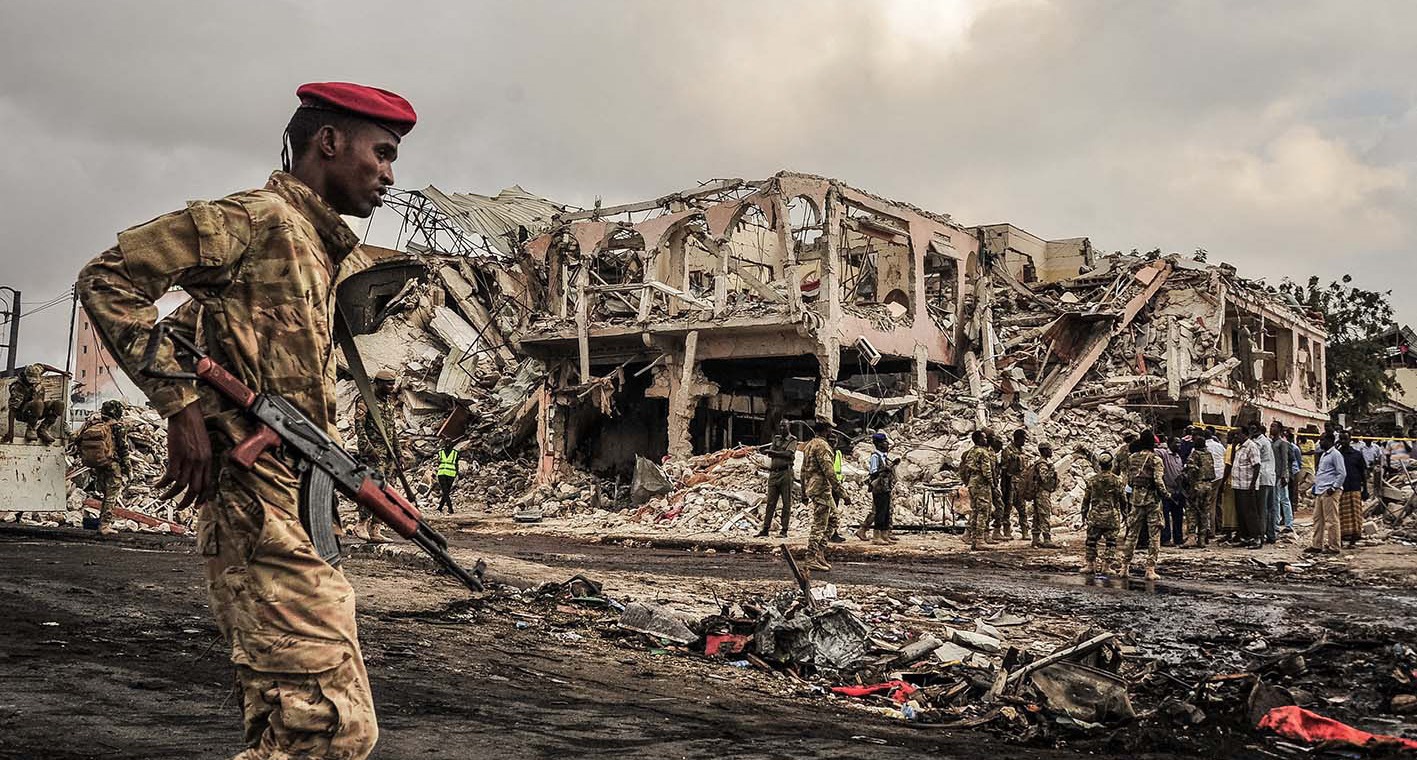
After 9/11, Washington increasingly viewed Somalia through a counterterrorism lens. Successive interventions have deepened armed insurgency and civilian suffering instead of resolving the country’s political crisis.
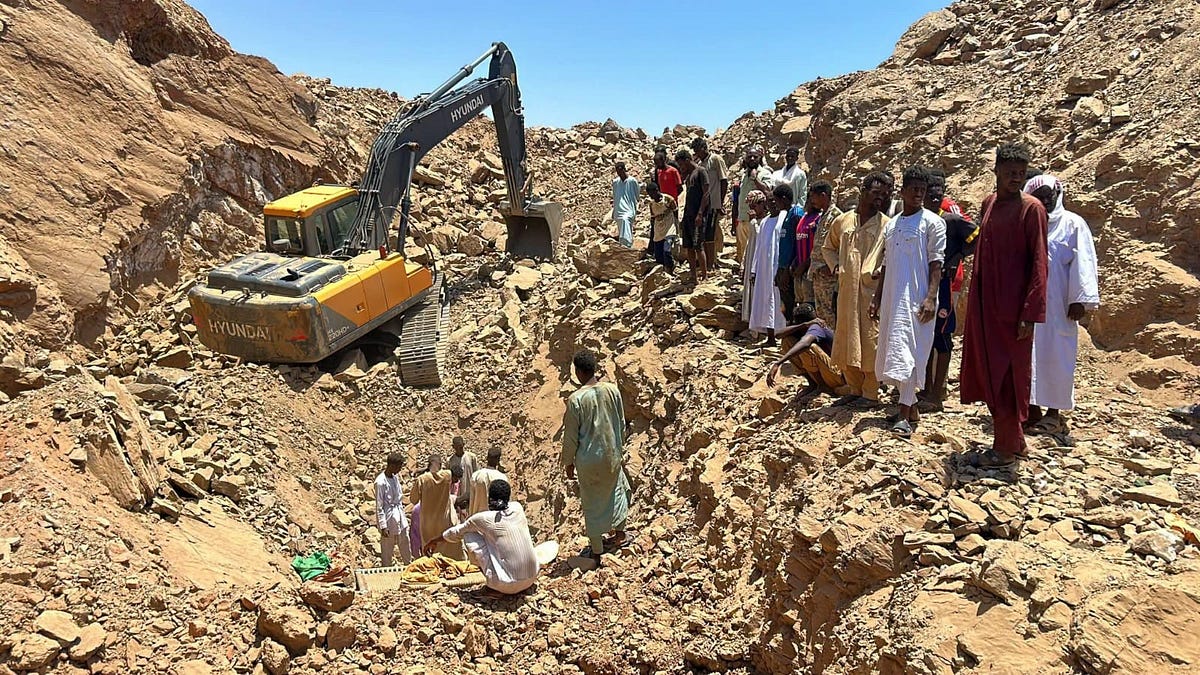
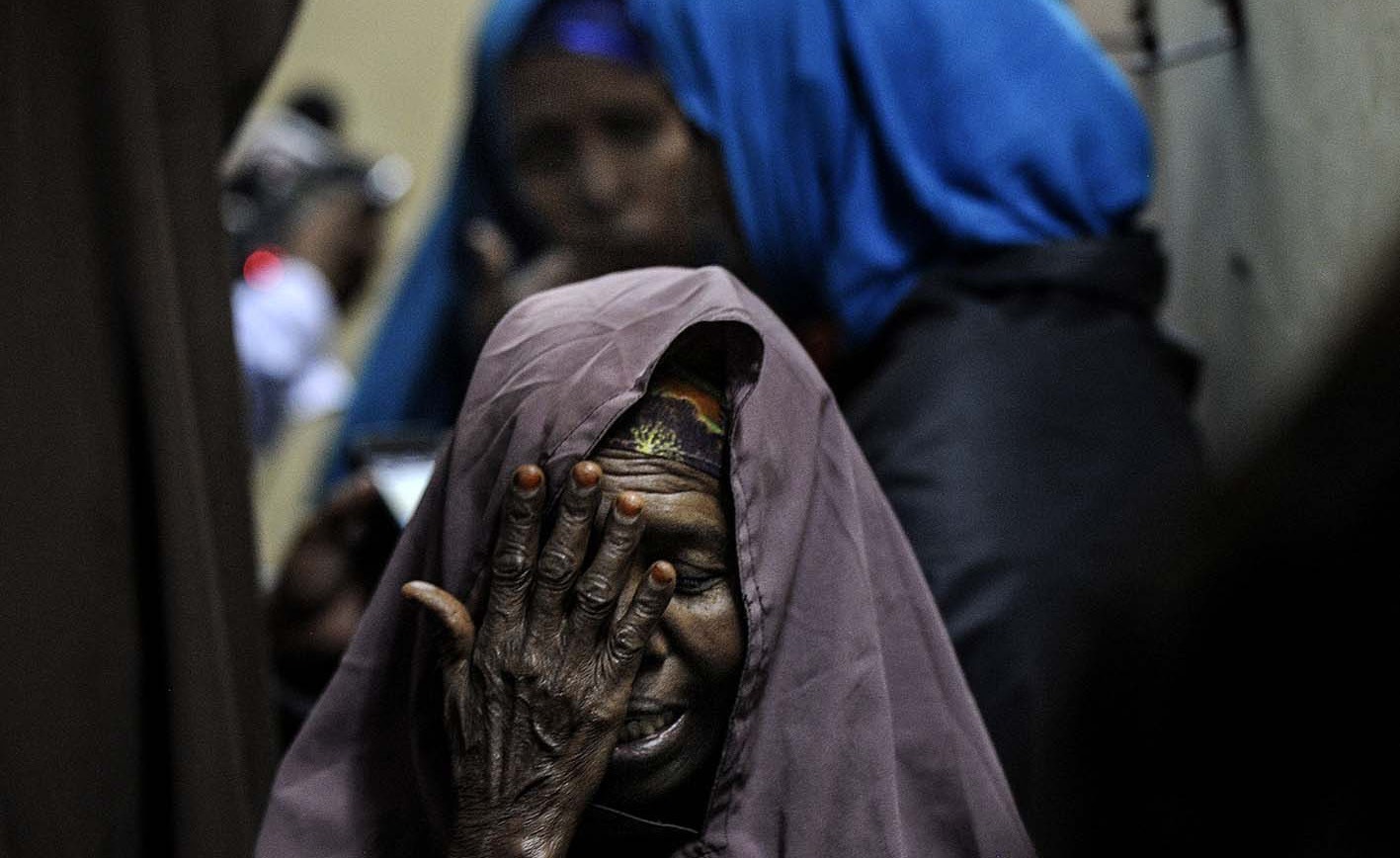
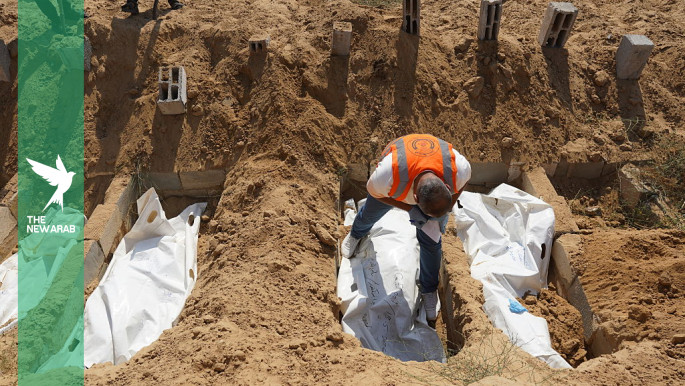
Survivors and families search for missing miners after air strikes on Sudan’s al-Uqaidat goldfields kill scores of workers, many displaced by war and mining to support their families.
Lina El Wardani remembers Gamal Nkrumah as a colleague and longtime friend, tracing the journalist’s commitment to a united Africa beyond the legacy of his famous father.
With mass protests erupting amid a backdrop of Israeli threats and US intervention in Venezuela, the Iranian regime views the crisis as an existential threat.
According to al-Shujaa, the Saudi-Emirati competition has not ended in Yemen’s south; it has merely changed form.
The funding gap represents more than an administrative shortage; it reflects international attention drifting away from Sudan’s crisis.
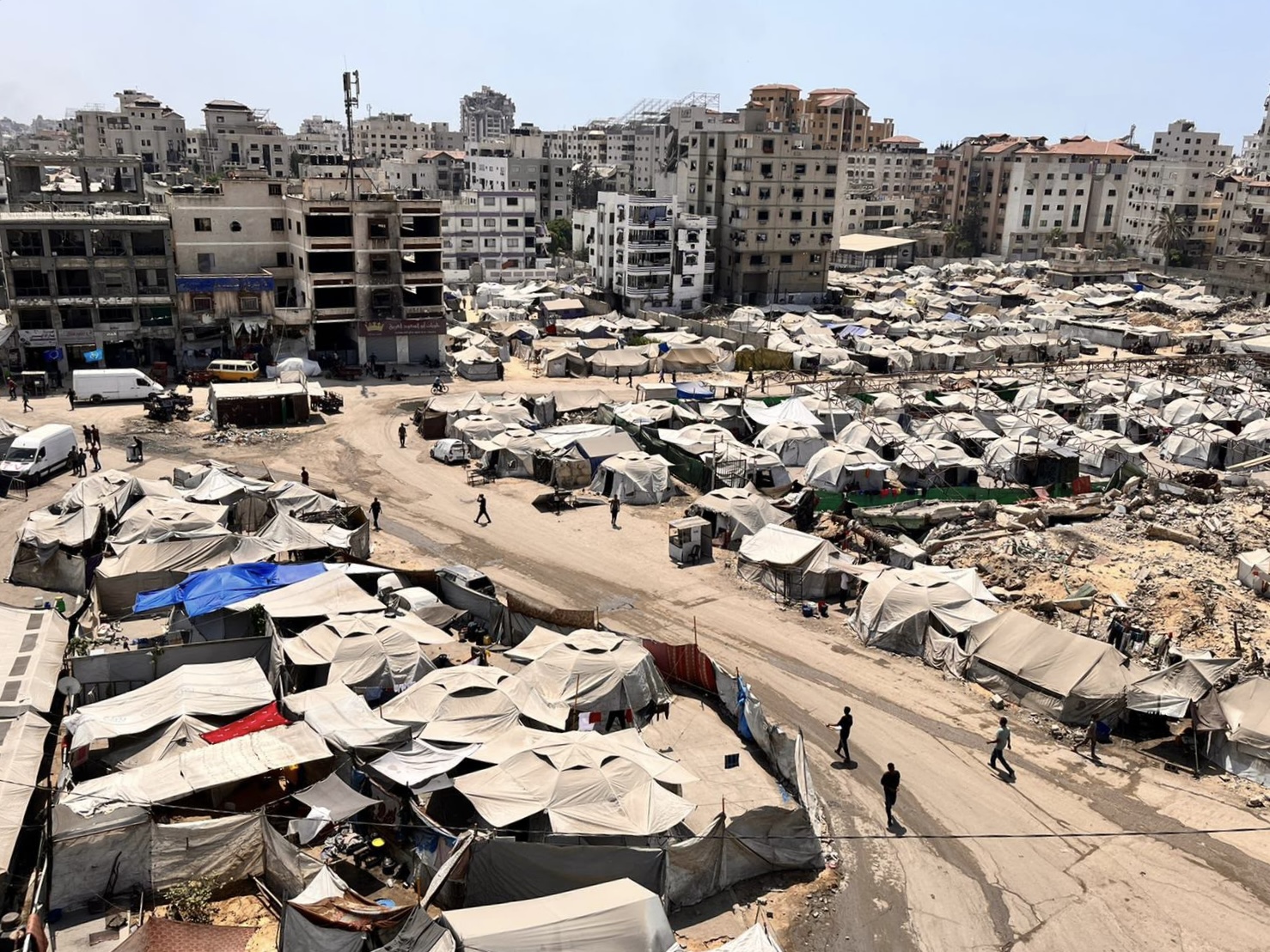
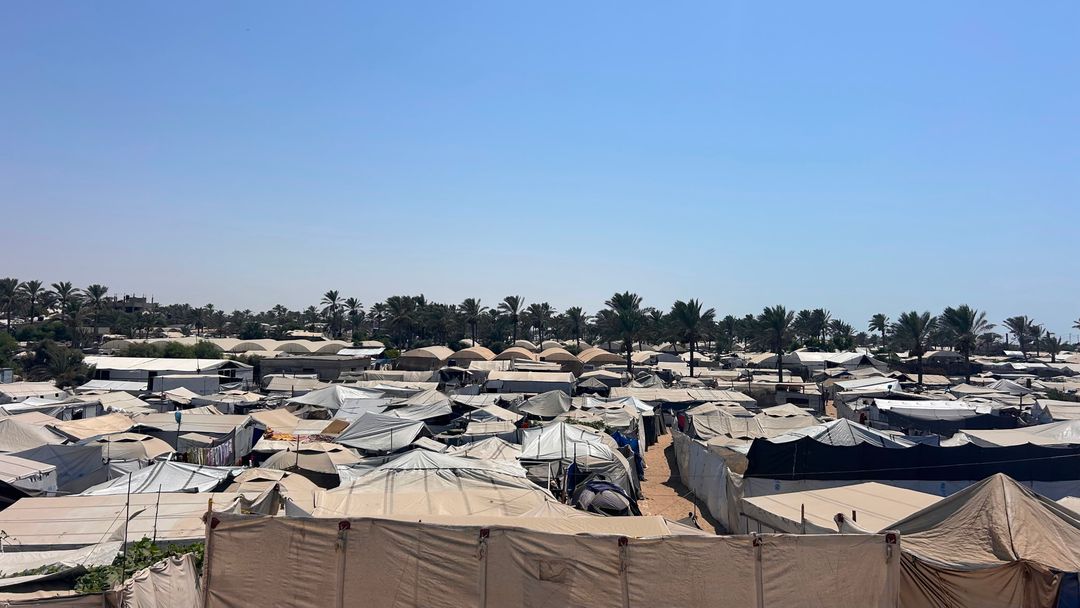
Gaza’s patients, children and students face death, separation and lost futures as Israel keeps the Rafah crossing closed, blocking medical evacuation and travel.
Whether through intensified repression, internal political restructuring, or foreign intervention, Iran is heading towards an inevitable transformation.
We speak to children in the Aida refugee camp about fear, football and belonging after their only pitch was spared Israeli demolition following a global outcry.
Iranian diaspora struggle to reach loved ones as the nationwide internet shutdown isolates families, intensifying fear, anxiety & uncertainty over their safety.
There is no longer talk in Suweida of negotiations with Damascus or plans to surrender weapons. Instead, some Druze leaders in Syria are calling for secession.
As Iran’s protests turned deadly, doctors, nurses and families recount hospitals overwhelmed by the wounded, internet blackouts, and systematic repression.
The fate of Jordan’s Muslim Brotherhood branch, the Islamic Action Front, now hinges on a delicate balance of law and politics.
Lacking sovereignty and security control, there are fears that Gaza’s post-war technocratic committee could become a new model for Palestinian governance.
Amid rising crime and longstanding discrimination, a revitalised Joint List aims to unify a fragmented electorate and amplify Palestinian voices in the Knesset.
As southern Yemen fractures under competing authorities and agendas, the Houthis are consolidating power without the costs of direct conflict.
Houthis are intensifying armed training, particularly for minors, during Ramadan as education spaces transform into military indoctrination sites.
Ethiopia’s RSF training camp signals that Sudan’s war is no longer confined within its borders, underscoring a troubling regional entrenchment of the conflict.
The $4 billion defence deal, one of Pakistan’s largest-ever, illustrates how Libya’s rival camps leverage foreign ties to bolster their claims to power.
Yemeni women are teaching one another to drive to reduce transport costs and gain independence, while navigating social expectations and restrictions on women’s movement.
Survivors and communities near France’s former nuclear test sites in Algeria describe a lasting legacy of radiation and uncertainty as France continues to withhold maps needed for cleanup.
Dos tercios de la población de la Franja vive miserablemente en campos de desplazados y su desolación se acentúa en este mes sagrado musulmán en el que no tienen medios ni ánimo para celebrar.
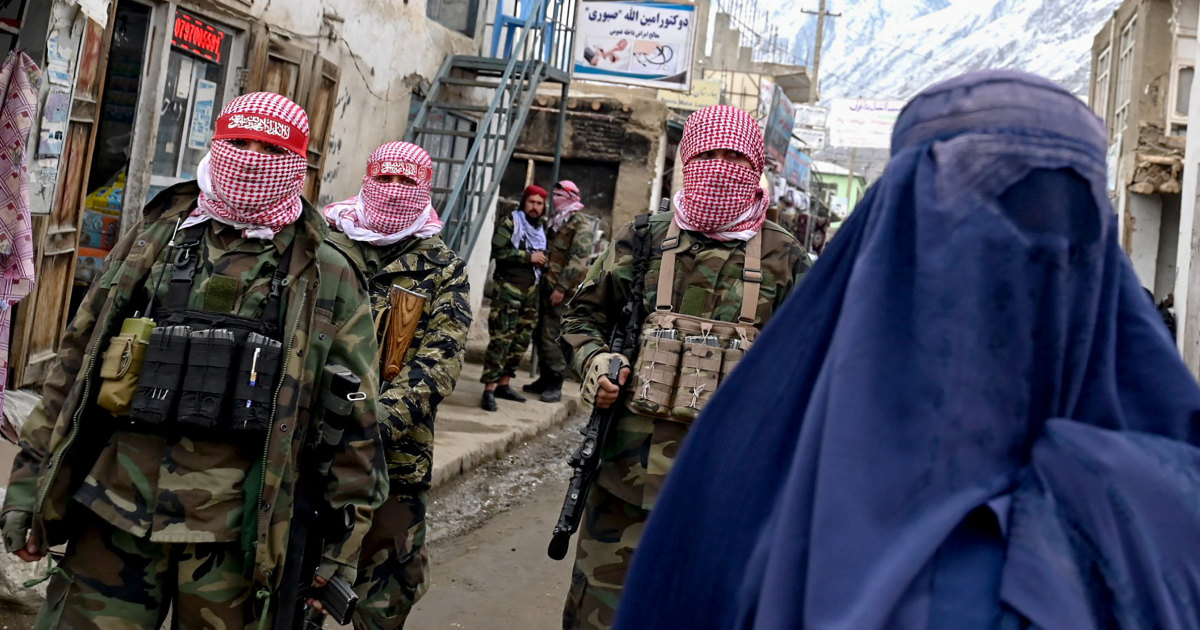
Five years after regaining power, the hard-line Islamist regime has formalized a women’s rights rollback in a sprawling penal code that experts say makes it almost impossible for women to escape abuse.
For the vast majority of Iran’s Afghan population, estimated at over 3.8 million as of early 2025, leaving is not a realistic option.
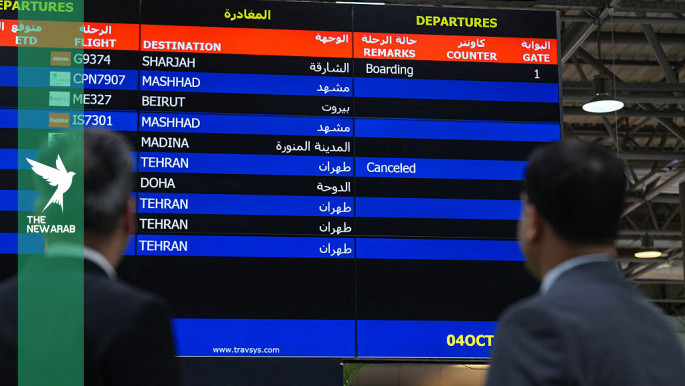
As US-Israeli airstrikes hit Iran, rising transport costs trap poorer families, while wealthier Iranians escape, exposing a stark divide in survival amid war.
La ciudad pakistaní acoge a artistas que escaparon del régimen talibán y que ahora viven bajo la amenaza de una campaña que ya ha expulsado del país a más de 2,6 millones de personas.
“Every time we lifted a stone, we increased our sense that we might succeed in saving a life, or that we might find someone who could not be saved.”
Iran is leveraging low-cost drones, energy chokepoints, and market disruption to impose a costly asymmetric war strategy.
The Iranian city of Tehran has learned to live with the sirens. But it has not yet learned to live with what follows them.
Over 150,000 Palestinian laborers have been denied work permits in Israel for two years. They’re now smuggling themselves across the Green Line amid the war on Iran, where they are banned from over 11,775 shelters when missiles strike.
Lebanese women preserve the tradition of orange blossom distillation during war.
La pareja, que se comprometió en 2024, reclama los mismos derechos que cualquier matrimonio heterosexual. El caso podría convertir al país en el segundo del continente en legalizar estas uniones después de Sudáfrica.
Yemen’s Houthis are ready to enter the Iran war on Tehran’s behalf. But regular Yemenis are anxious about how that would impact their lives.
This past April the Phoenix Library opened in Gaza—the first library to open since the genocide began in October 2023.
In Cairo, Christians and Muslims visit one another’s holy sites, share devotion to saints and celebrate religious festivals together, sustaining traditions that connect their faiths and Egypt’s past.
For millions of Nepali migrant workers, jobs in the Gulf were once seen as a financial lifeline. The Iran war has changed that.
The Global South cannot afford to have the war in Iran keep going on, but Washington and Tehran remain at loggerheads.
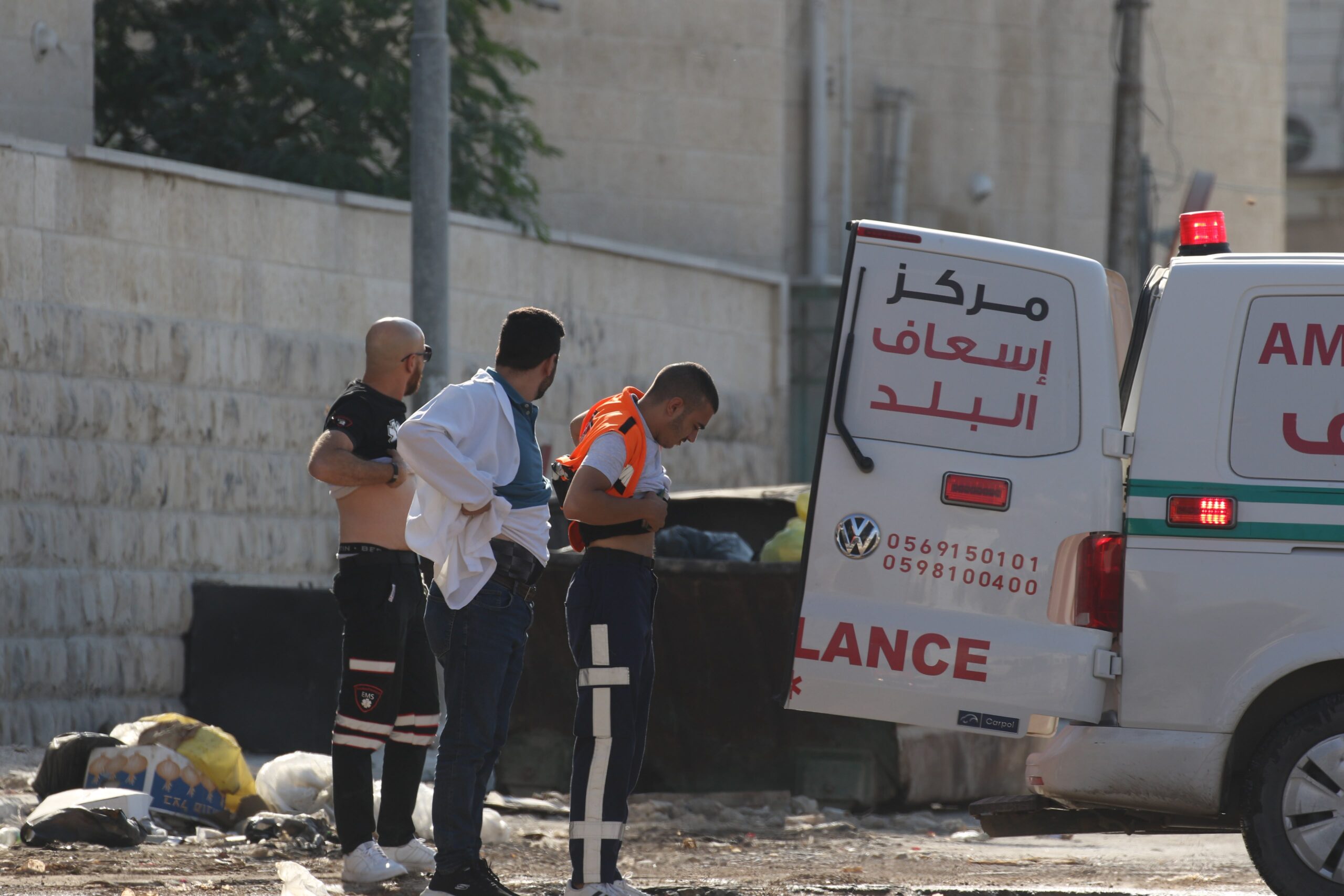
Lebanese rescue workers now wait 15 minutes after each strike before responding, the only way, they say, to stay alive long enough to reach the wounded amid Israel’s implementation of its Gaza “double-tap” policy in Lebanon.
Michelle Bachelet’s campaign for the United Nations’ top job has stirred pride in Chile, even as changing politics at home complicate the former president’s path.
With 96 percent of Gaza’s farmland destroyed, farmers are returning to fields buried in rubble and unexploded ordnance, but Israel’s blockade is making recovery nearly impossible.
Rising funeral and burial costs are putting Egypt’s mourning traditions beyond the reach of many families, widening the divide between those who can afford elaborate ceremonies and those struggling to pay for basic services.
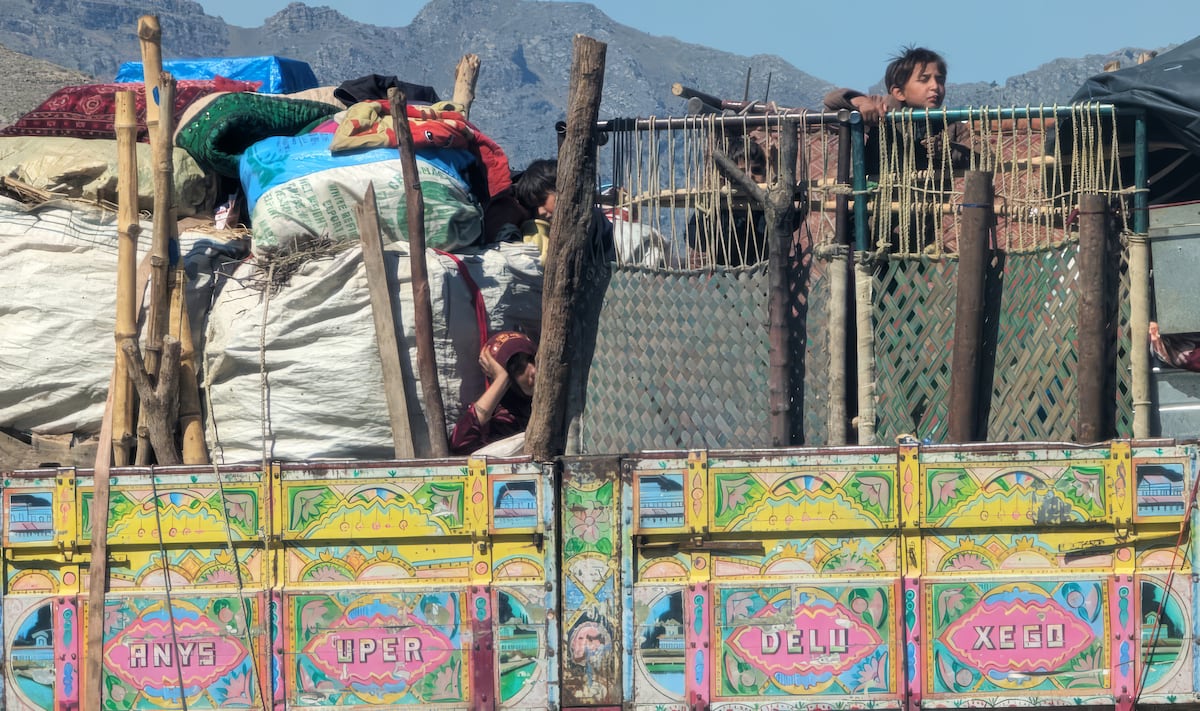
Más de 2,6 millones de ciudadanos de Afganistán han salido del país vecino desde 2023 como consecuencia de un estricto plan de repatriación aplicado por el Gobierno de Islamabad.
Dispatch follows the trail of AI-generated freelance pitches to Nairobi, investigating platforms that sell aspiring writers access to commissions and teach them to use artificial intelligence.
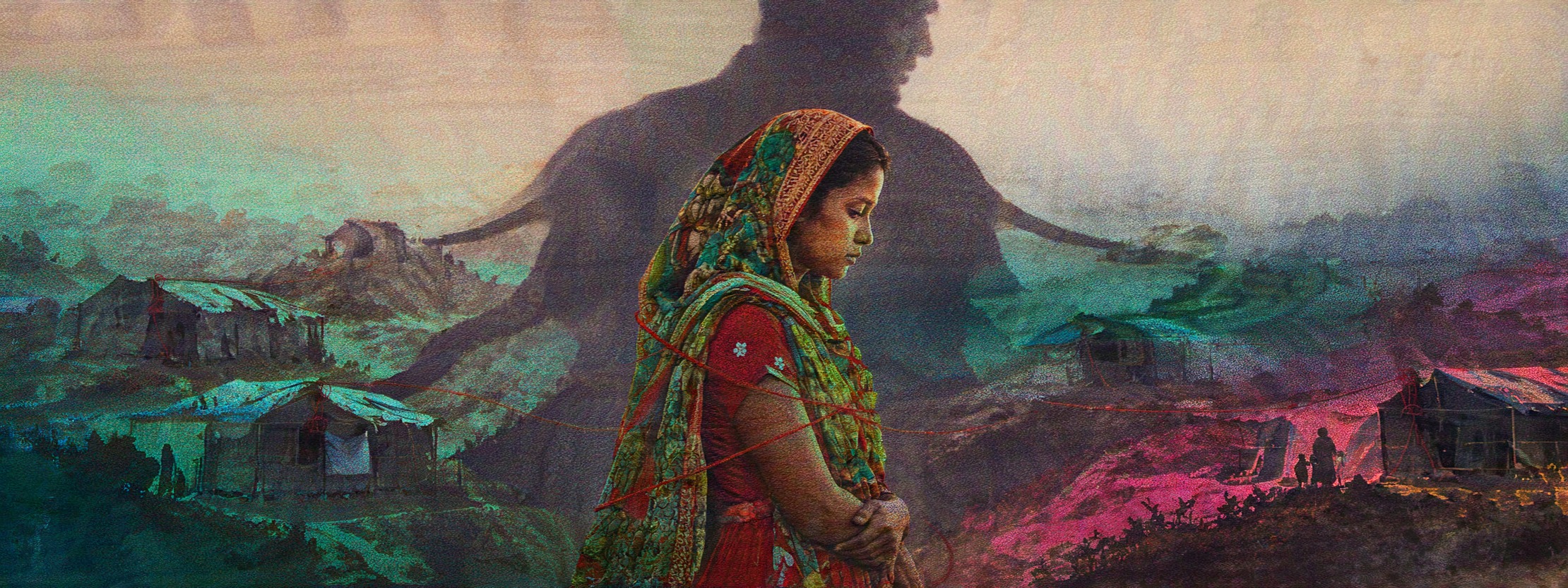
In Bangladesh’s Rohingya camps, armed factions are brokering child marriages to build power.
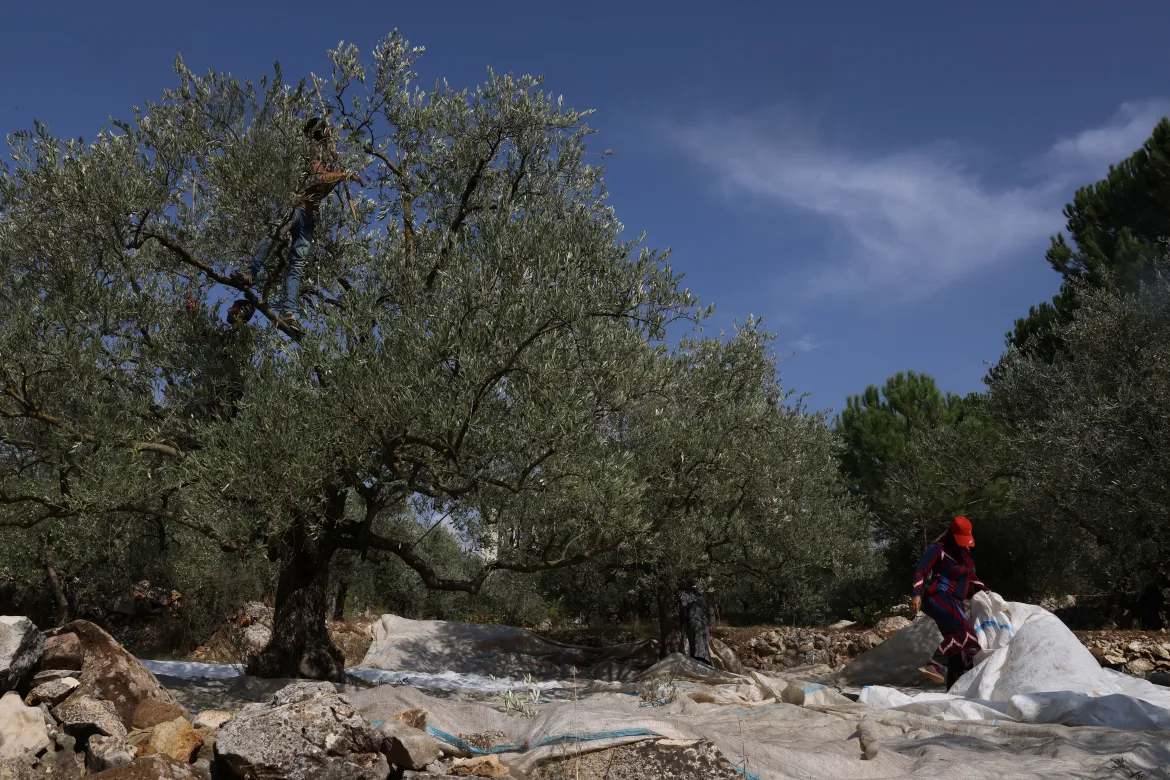
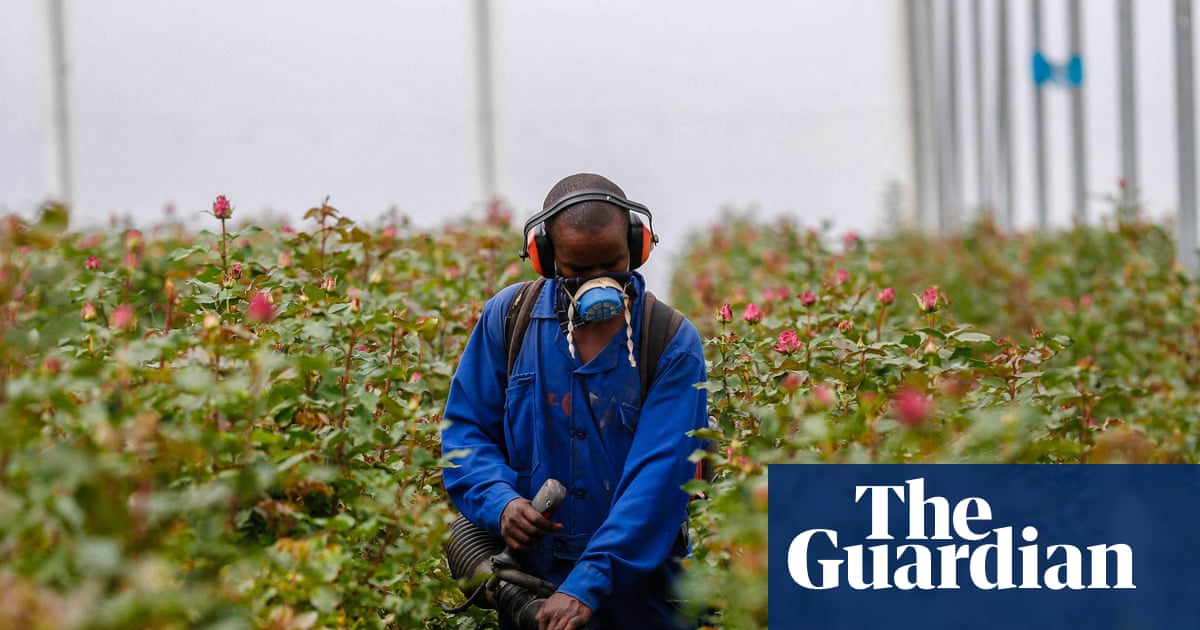
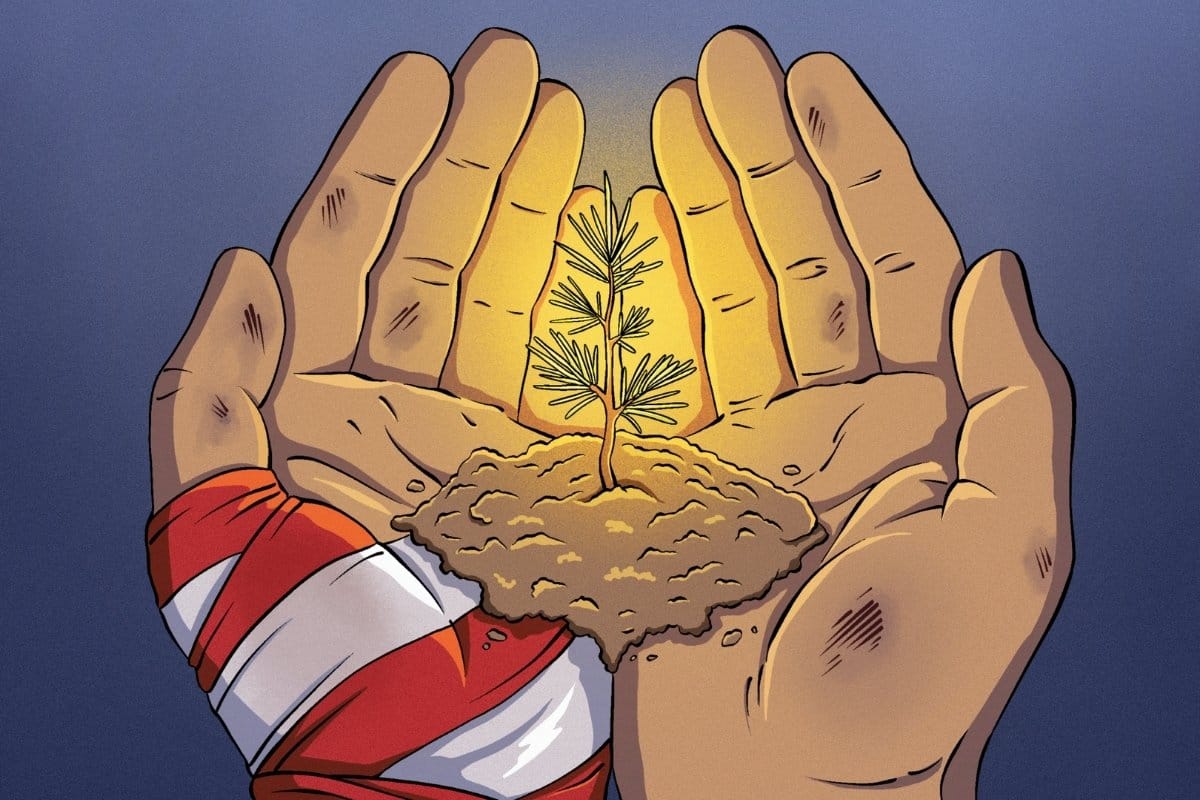
When pesticide proved no match for the insect, desperate Phyllis Nvuda tried a new way to save her infested orchard.
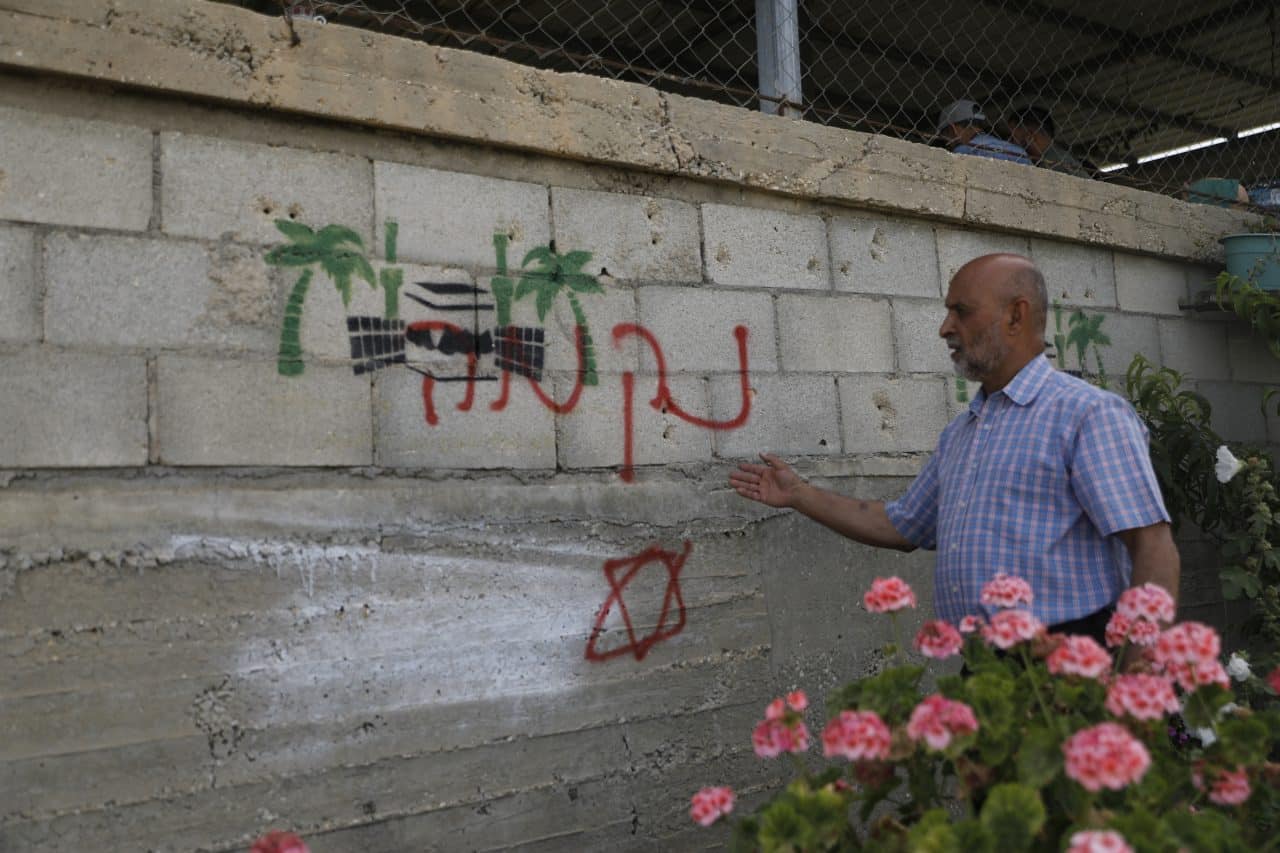
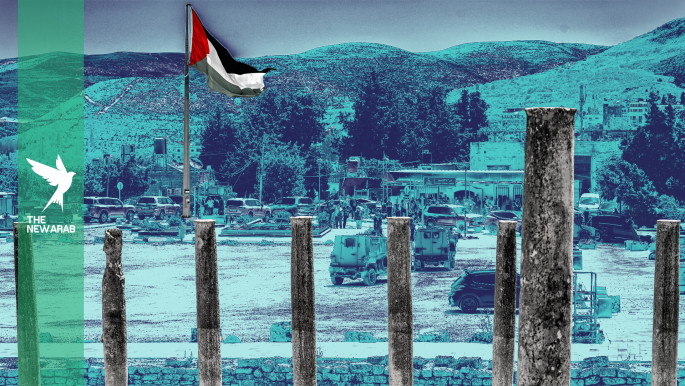
Residents of Taybeh, the West Bank’s last entirely Christian village, describe escalating attacks and fears for their future as emigration erodes the community.
Mohsen Rezaei, a senior adviser to Iran’s Supreme Leader and former IRGC Commander, says Tehran will not separate Lebanon from any deal with Washington, including a nuclear deal, as Iran seeks to redefine the terms of negotiations with the U.S.
by Saeedeh Fathi In her final months, Marjane Satrapi closed her social media accounts, stopped answering invitations, and disappeared from the public life she had inhabited for three decades.
En un país donde 521 mujeres mueren por cada 100.000 nacimientos, redes de parteras rurales atienden a las madres que no tienen acceso a servicios médicos.
As geopolitical tensions continue to disrupt fertilizer markets, oil-palm farmers in Southeast Asia and elsewhere are being forced to reduce inputs just when demand for food and fuel crops is rising.
Boko Haram, an Islamic terrorist group, warps Muslim theology into an extremist ideology in order to attract young men to its ranks. Now, a unique program aims to de-radicalize former fighters through counseling and showing them how to live a peaceful Muslim life.
Egypt handed whistleblower Dr Omnia Sweidan a suspended jail sentence, but her viral post exposed a disturbing reality inside the country’s maternity wards.
La invasión de los humedales y zonas protegidas reduce el espacio de los animales y hace cada vez más frecuentes los ataques a orillas del río Rusizi y el lago Tanganica.
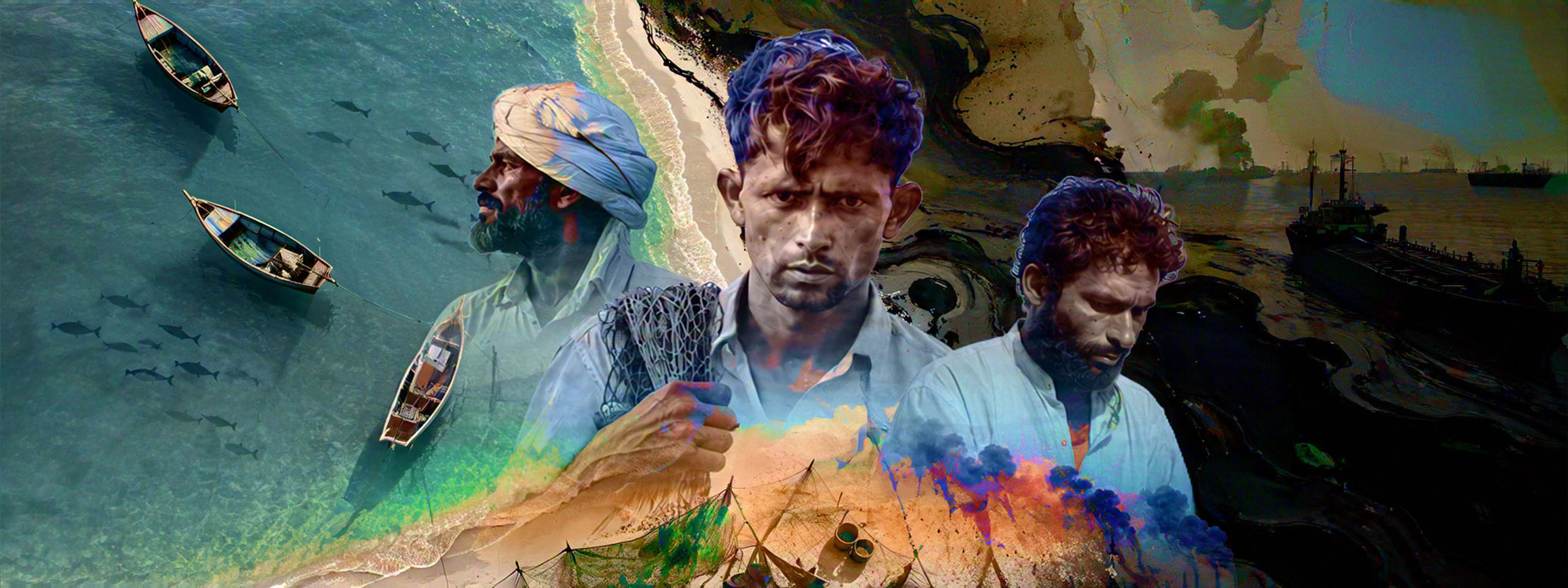
Local authorities at a Pakistan coastal city suspect the U.S.-Iran war has reached its shores via an oil spill that has affected its ill-prepared fishing community.
The Taliban’s crackdown on opium poppies has been effective, but it has left poor Afghan farmers struggling to find alternative sources of income.
Shaped by sanctions, war, censorship, and an 88-day Internet blackout, a generation of young Iranians is turning to art, creativity, and everyday life as a way to survive and push back.
They’ve survived ISIS, genocides and persecution. Their homeland has been destroyed. Now the Yazidis in Iraq are rallying together to build their own soccer stadium — a symbol of resilience and hope despite their difficult past.
Local communities in the region are increasingly caught in the crossfire of violent drone attacks that are difficult to attribute and investigate.
Drone strikes, water shortages, and blackouts have turned North Kordofan’s capital into a trap for hundreds of thousands—including displaced people who fled there hoping for safety.
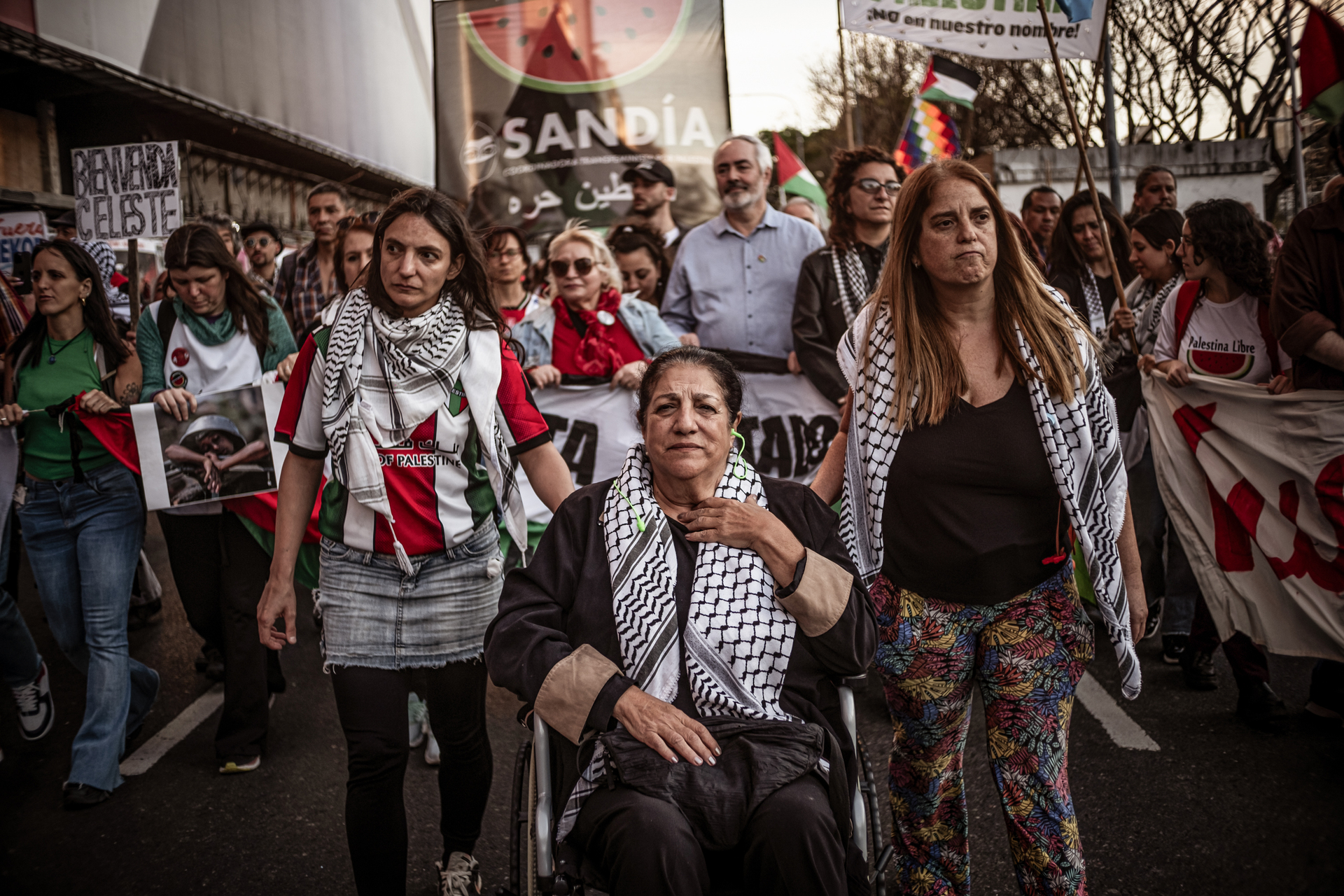
President Javier Milei is championing closer strategic and economic ties between Argentina and Israel. But many Argentines—Jewish and Arab alike—oppose that agenda.
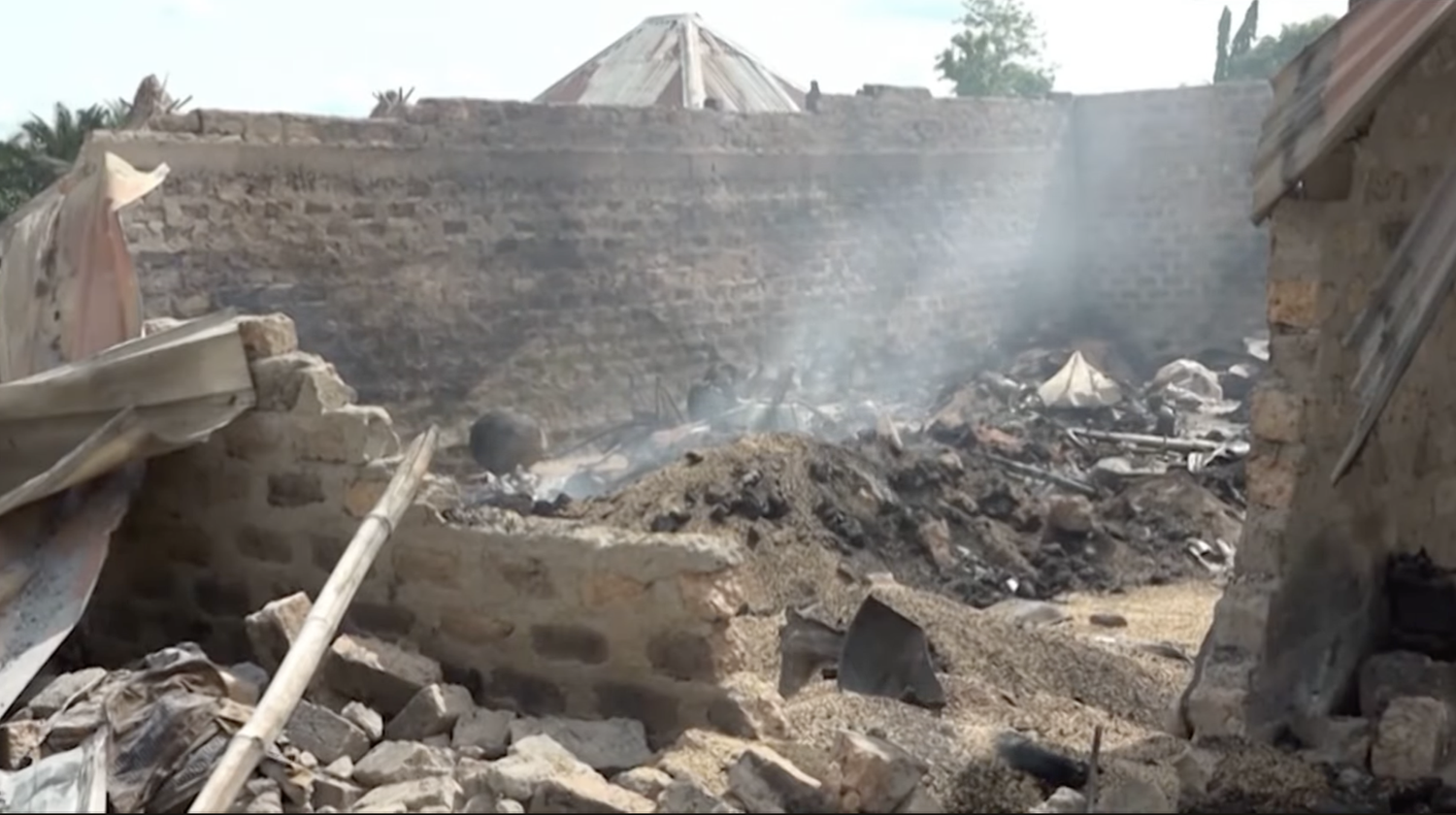
BUNIA, Democratic Republic of Congo – Victorine Ngwobu Kasemi is the director of nursing at the Evangelical Medical Centre in Bunia, the epicentre of the Democratic Republic of Congo’s record-breaking Ebola epidemic.
Restrictive migration policies combined with desperation and lack of diplomatic protection make for a dangerous labor cocktail for Nepali women trafficked into Iraq.
En medio de la devastación y las restricciones en la Franja, un grupo de jóvenes ha encontrado en el deporte una forma de reconstruir su vida, en un territorio donde más de 5.000 personas han sufrido amputaciones desde octubre de 2023, según la OMS.
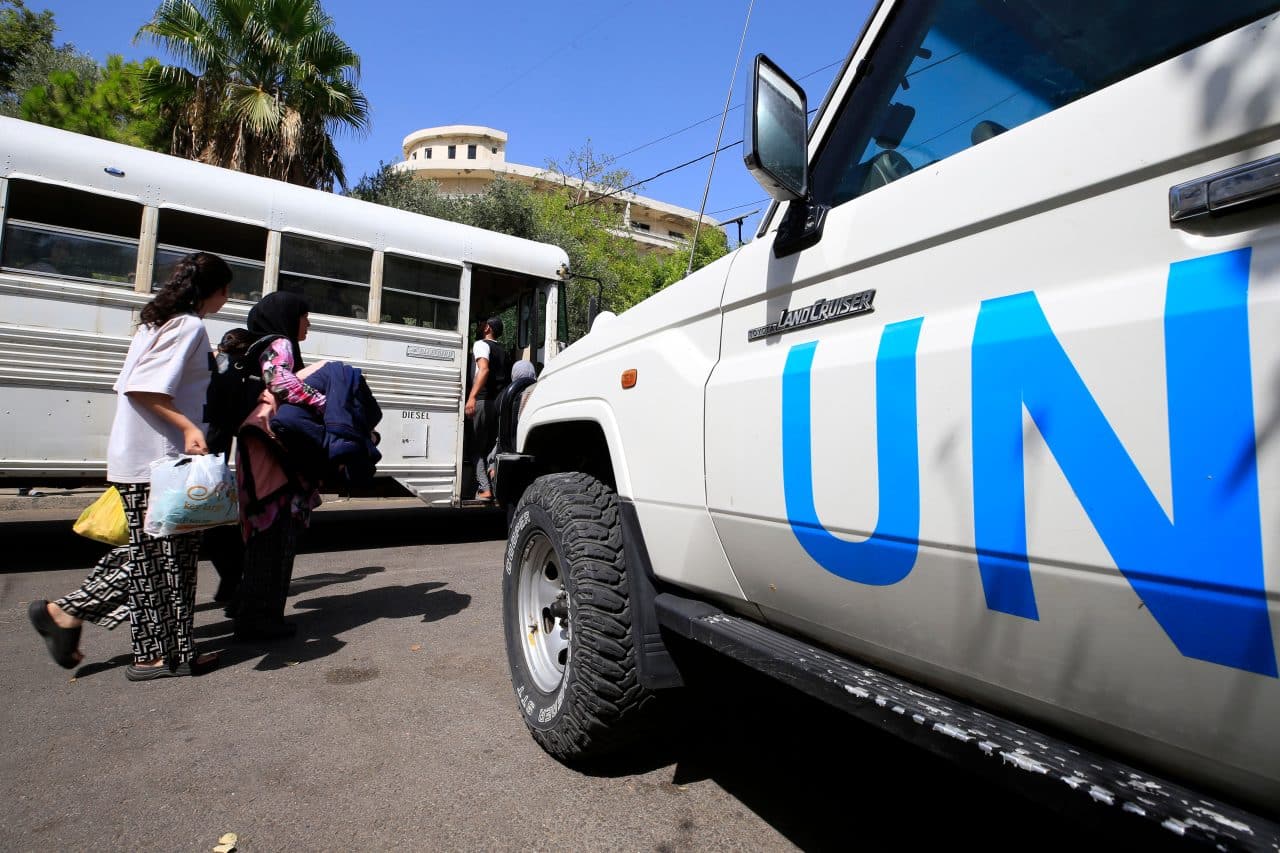
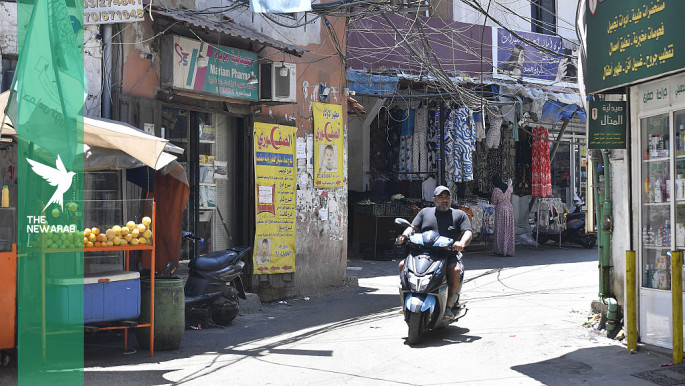
The United Nations Relief and Works Agency has excluded six Palestinian refugee camps in Lebanon from emergency cash assistance, as Israeli attacks and Western donor cuts leave families choosing between food and medicine.
Despite restrictive laws on civil society, a major disaster saw NGOs in the country allowed more freedom.
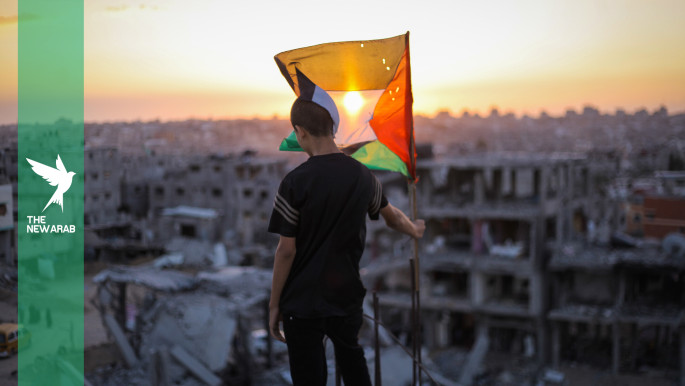
For families living near Gaza’s Yellow Line, every night brings the same terrifying question: will they survive until morning or face another attack?
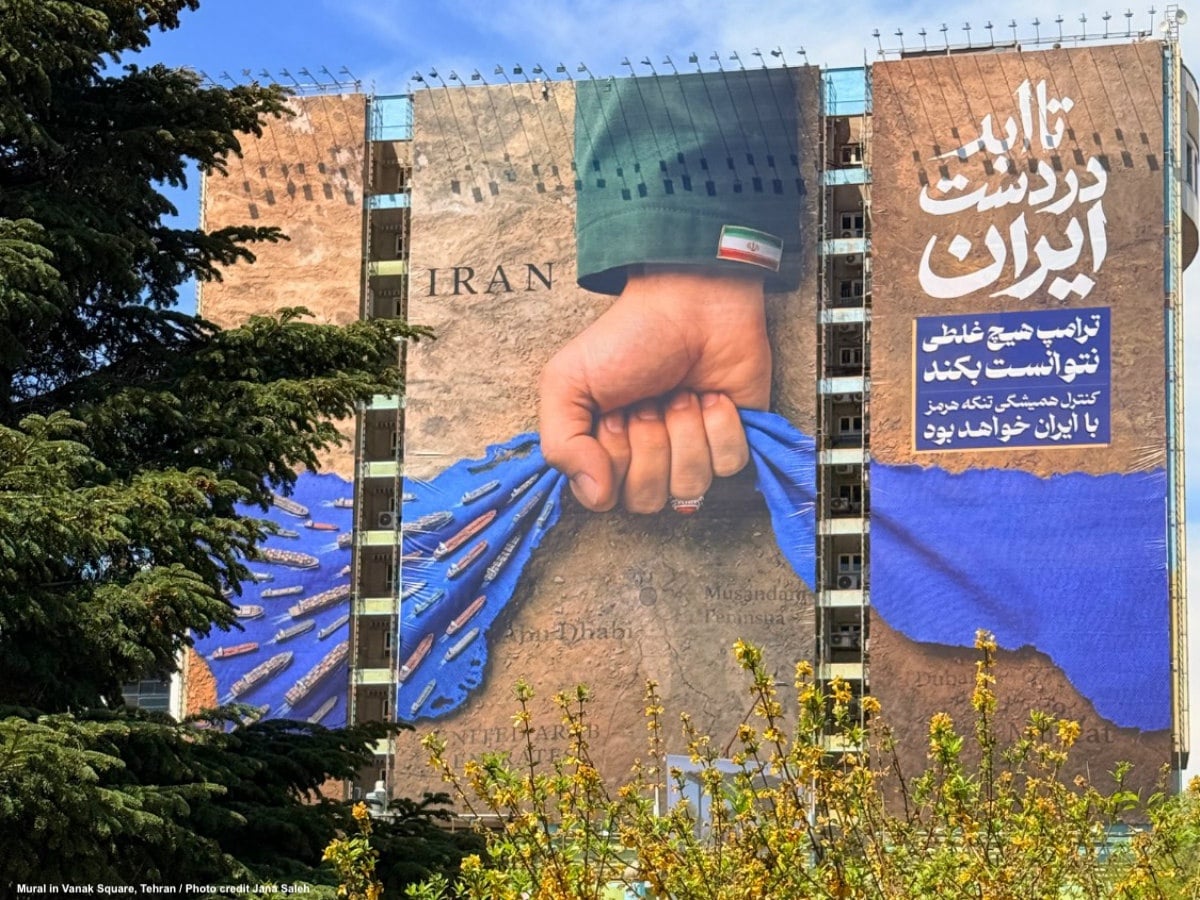
In Tehran, murals shift with the political weather overnight, and almost no one knows who’s really holding the brush.
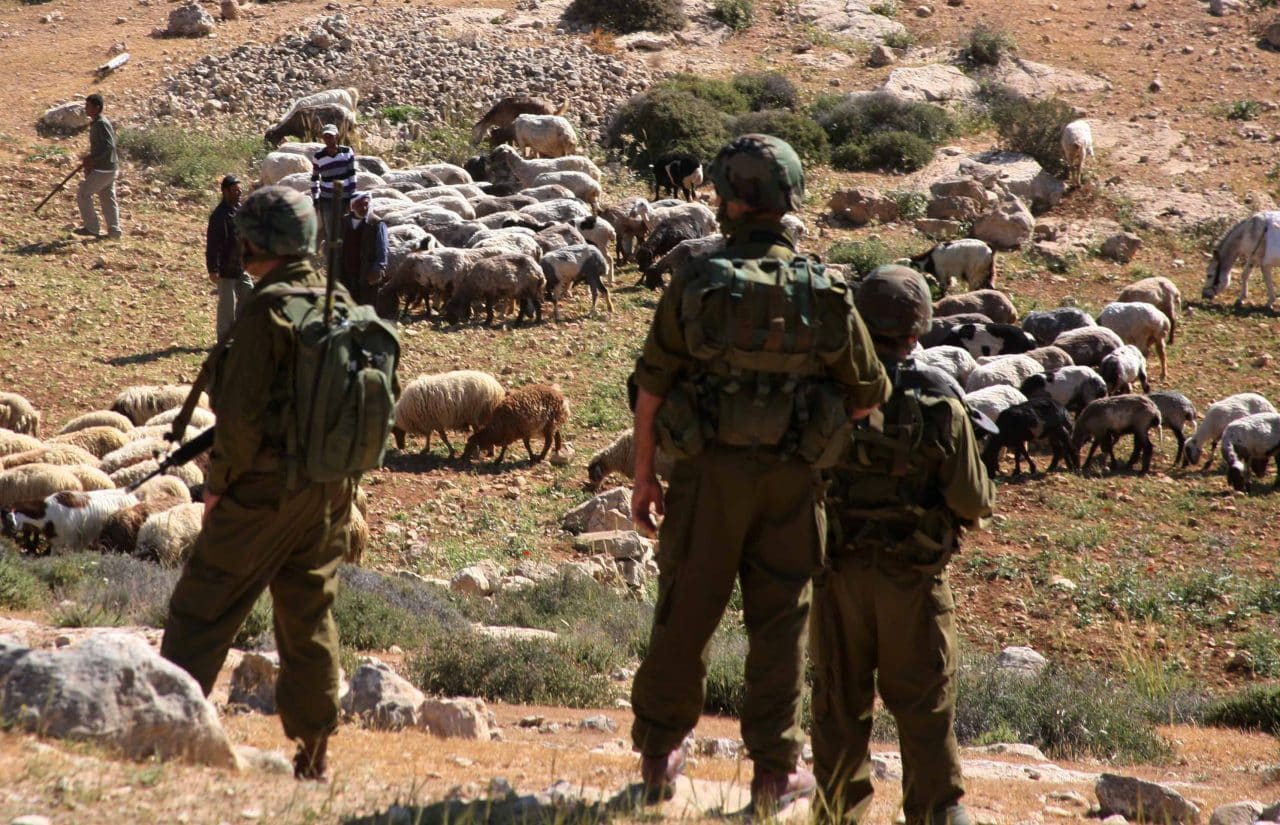
Israel’s use of so-called “shepherding outposts” to seize Palestinian land through settler herders is now being exported to Syria, as an Israeli settler, supported by the state, occupies Syrian pastureland in Wadi Toemm with a herd of 140 cattle.
The escalated abuse against Dr. Hussam Abu Safiya following a legal challenge to his detention has sent a chilling message to the families of detained medical workers in Gaza.
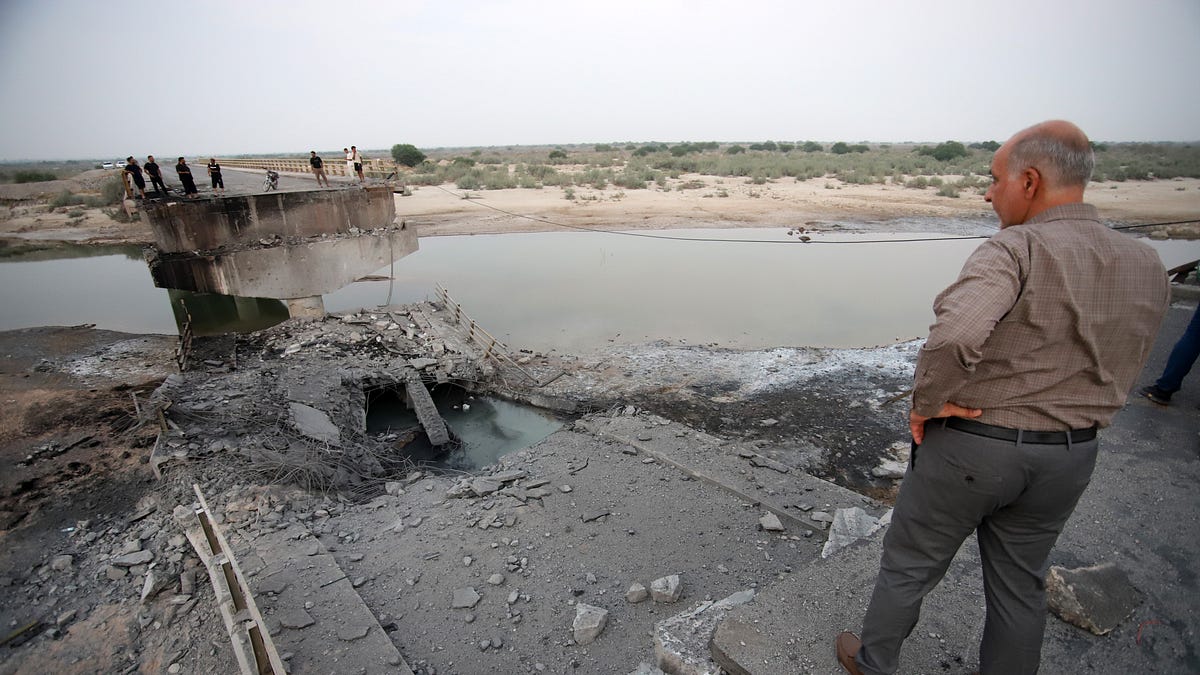
U.S. airstrikes last month in southern Iran targeted civilian infrastructure, including fishing ports, bridges, telecommunications networks, power plants, hospitals, and transportation corridors.
Gaza’s kidney patients face death as dialysis is cut, medicines run out, and hospitals lack supplies, leaving hundreds at risk as treatment becomes unreliable.
Elected by a narrow margin, Khalil al-Hayya faces the challenge of rebuilding a weakened Hamas while navigating internal debates over its future.
Settler violence in the West Bank is being driven by a race to create facts on the ground before Israel’s election could shift the balance of power.